
The digital revolution has transformed every facet of our lives, from how we communicate to how we work, shop, and entertain ourselves. One of the most fascinating arenas to witness this transformation is the world of iGaming. Online gaming has shifted from a niche hobby to a global industry, attracting millions of players and generating billions in revenue every year. But what exactly is iGaming, and what makes it such a powerhouse in the digital entertainment sector? This blog explores the origins, trends, and future of iGaming, offering a comprehensive view of this dynamic industry.
Understanding iGaming
At its core, iGaming refers to gambling activities conducted over the internet. Unlike traditional casinos or betting establishments, iGaming platforms provide users with the convenience of accessing games, placing bets, and engaging in gambling activities from the comfort of their homes. The term encompasses various categories, including online casinos, sports betting, poker, bingo, and lottery games.
One of the defining features of iGaming is its accessibility. Players are no longer restricted by geography or operating hours. As long as they have an internet connection, they can enjoy a range of gaming experiences anytime, anywhere. This convenience, coupled with sophisticated technology, has made iGaming one of the fastest-growing segments in the digital entertainment market.
A Brief History of iGaming
The roots of iGaming can be traced back to the mid-1990s, coinciding with the widespread adoption of the internet. In 1994, the first fully functional online casino software was launched, allowing players to engage in virtual gambling using their personal computers. These early platforms offered basic games such as blackjack, roulette, and slots, marking the beginning of a digital transformation in gambling.
By the late 1990s and early 2000s, iGaming began to expand rapidly. The introduction of secure payment gateways and encryption technology made online gambling safer and more reliable. During this period, the industry saw the emergence of online poker rooms, sports betting websites, and digital lottery platforms. The combination of technological innovation and a growing appetite for convenience propelled iGaming into the mainstream.
The Technology Behind iGaming
The success of iGaming platforms is closely tied to technological advancements. Modern online casinos and betting sites utilize sophisticated software that ensures seamless gameplay, real-time updates, and secure transactions. Game developers leverage cutting-edge graphics, animations, and sound effects to create immersive experiences that rival traditional casinos.
Mobile technology has further revolutionized iGaming. With smartphones and tablets, players can now access their favorite games on the go. Mobile apps and responsive web platforms provide a smooth and intuitive user experience, making it easier for people to engage with iGaming wherever they are.
Additionally, the integration of artificial intelligence (AI) and machine learning has enabled operators to personalize gaming experiences. AI algorithms analyze player behavior, recommend games, and even adjust odds to enhance engagement. This level of personalization ensures that players remain entertained and invested in the platform.
Popular iGaming Categories
The iGaming industry offers a wide variety of options to suit different player preferences. Some of the most popular categories include:
Online Casinos
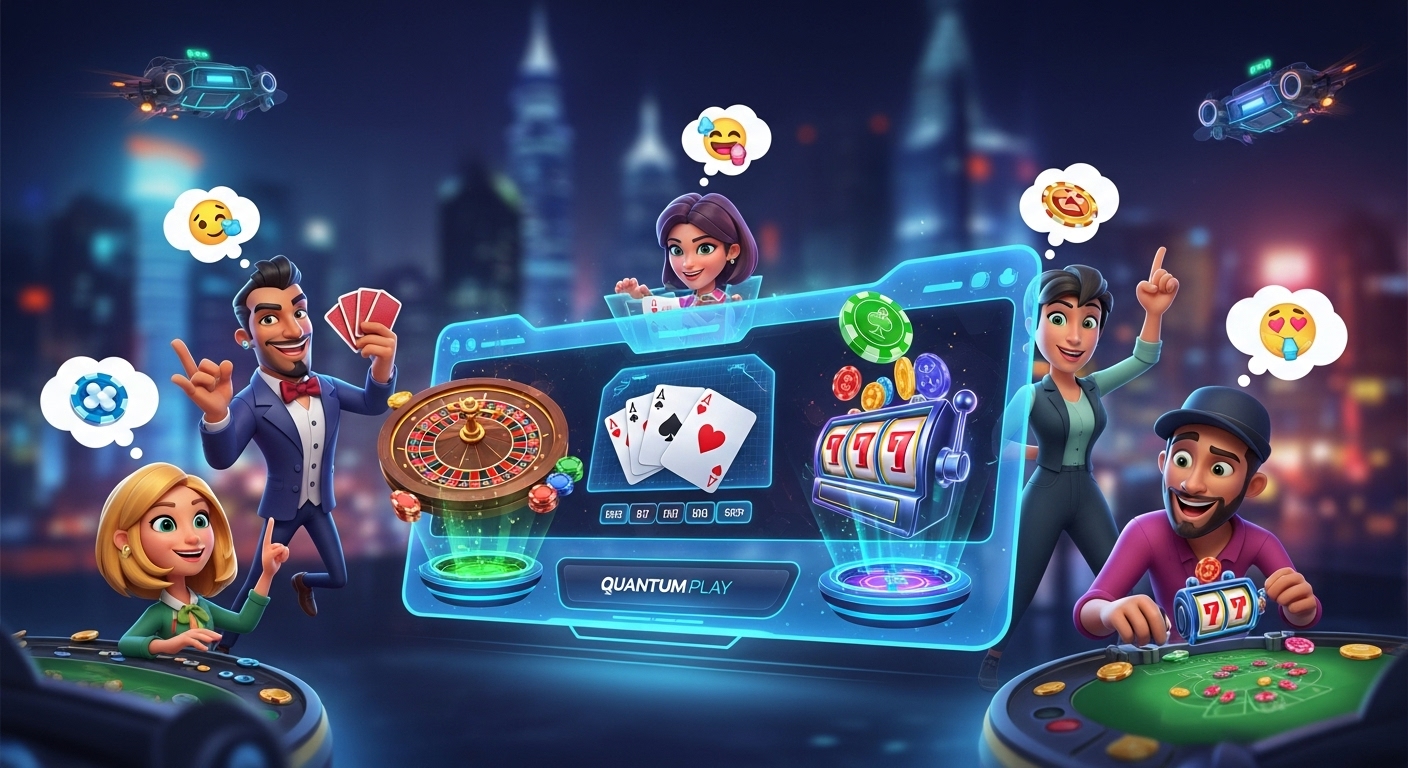
Online casinos replicate the traditional casino experience in a digital environment. Players can enjoy a vast array of games, including slots, roulette, blackjack, baccarat, and more. Modern online casinos often include live dealer games, where real human dealers manage the game in real-time via video streaming, adding an authentic touch to the virtual experience.
Sports Betting
Sports betting has a massive following in the iGaming sector. Players can place wagers on a wide range of sports, from football and basketball to horse racing and esports. Advanced analytics, live updates, and in-play betting options allow players to make informed decisions and enjoy dynamic betting experiences.
Poker and Card Games
Online poker platforms provide an engaging alternative to physical poker rooms. Players can compete in cash games, tournaments, and sit-and-go events. Digital card games also extend beyond poker, offering options like blackjack, baccarat, and online versions of traditional games like Rummy.
Lottery and Bingo
Digital lottery and bingo games offer players the thrill of traditional games with the convenience of online access. These platforms often include interactive features, themed games, and promotional events to keep players engaged.
The Role of Regulation
Regulation is a critical aspect of the iGaming industry. Governments and regulatory bodies around the world set guidelines to ensure fairness, transparency, and player protection. Licensed operators must comply with strict standards, including secure financial transactions, responsible gambling measures, and regular audits.
Different countries adopt varied regulatory approaches. Some markets are highly regulated, requiring operators to obtain licenses and adhere to rigorous compliance checks. Others operate in a grey area, with limited oversight. For players, choosing licensed and regulated platforms is essential for ensuring a safe and secure gaming experience.
iGaming and Responsible Gambling
With the rise of iGaming comes the responsibility to promote safe and ethical gambling practices. Responsible gambling initiatives are designed to prevent addiction, minimize financial risks, and provide support for individuals facing gambling-related issues.
Modern platforms incorporate features such as self-exclusion options, deposit limits, and reality checks to encourage responsible behavior. Awareness campaigns and collaborations with support organizations further reinforce the importance of a healthy approach to iGaming. Balancing entertainment with responsibility is crucial to sustaining the industry’s growth.
Economic Impact of iGaming
The iGaming industry is a significant contributor to the global economy. It generates substantial revenue, creates jobs, and stimulates technological innovation. From software developers and marketing experts to customer support professionals, iGaming supports a diverse range of employment opportunities.
Moreover, governments benefit from tax revenues generated by licensed operators. These funds are often reinvested into public services, infrastructure, and community programs. The economic ripple effect of iGaming extends beyond direct employment, influencing advertising, technology development, and financial services.
Trends Shaping the Future of iGaming
The iGaming landscape is constantly evolving, driven by technological innovation and changing consumer behavior. Some of the emerging trends include:
Virtual Reality and Augmented Reality
Virtual reality (VR) and augmented reality (AR) are transforming how players engage with digital casinos. VR provides fully immersive environments where players can interact with the casino space and other players in real-time. AR overlays digital elements onto real-world settings, enhancing gameplay and creating novel experiences.
Blockchain and Cryptocurrencies
Blockchain technology is gaining traction in iGaming for its transparency, security, and efficiency. Cryptocurrencies offer players alternative payment methods, faster transactions, and enhanced privacy. Some platforms also use blockchain for provably fair gaming, allowing players to verify the integrity of each game outcome.
Gamification and Social Interaction
Gamification techniques, such as rewards, leaderboards, and missions, are increasingly integrated into iGaming platforms. Social features like chat rooms, multiplayer games, and community events enhance engagement and foster a sense of connection among players.
AI-Powered Personalization
Artificial intelligence continues to shape the player experience. AI-driven recommendations, dynamic content, and adaptive difficulty levels create tailored experiences that keep players engaged and entertained. Predictive analytics also help operators optimize marketing strategies and retention efforts.
Challenges Facing the iGaming Industry
Despite its growth, the iGaming sector faces several challenges. Regulatory uncertainty, especially in emerging markets, can limit expansion opportunities. Cybersecurity threats and data breaches pose risks to both operators and players. Additionally, addressing problem gambling and maintaining ethical standards remain ongoing concerns.
The industry must also navigate changing consumer expectations. As players demand more immersive, interactive, and secure experiences, operators must invest in technology and innovation to stay competitive. Balancing growth with responsible practices is a delicate but essential task.
The Global Reach of iGaming
iGaming has a truly global footprint. While certain regions, like Europe and North America, have mature markets with well-established regulations, emerging markets in Asia, Africa, and Latin America are experiencing rapid growth. Increasing internet penetration, smartphone adoption, and digital payment infrastructure contribute to expanding access to online gaming.
Cultural and regulatory differences influence the types of games popular in different regions. Understanding these nuances is vital for operators seeking to expand internationally. Tailoring experiences to local preferences while maintaining compliance with regulations is a key factor in global success.
Conclusion: The Future of Digital Gaming Entertainment
The world of iGaming represents the perfect intersection of technology, entertainment, and human psychology. It offers convenience, excitement, and innovation while continually adapting to the evolving needs of players. As technology advances, from AI and VR to blockchain, the industry is poised to deliver even more immersive and personalized experiences.
The future of iGaming will likely see deeper integration of social features, enhanced mobile experiences, and continued emphasis on responsible gambling. While challenges exist, the opportunities for growth, innovation, and global expansion are immense. For players, operators, and investors alike, iGaming offers a thrilling digital playground where entertainment, technology, and strategy converge.
As the industry continues to evolve, one thing remains certain: iGaming is no longer just a digital pastime—it is a major force shaping the future of entertainment.