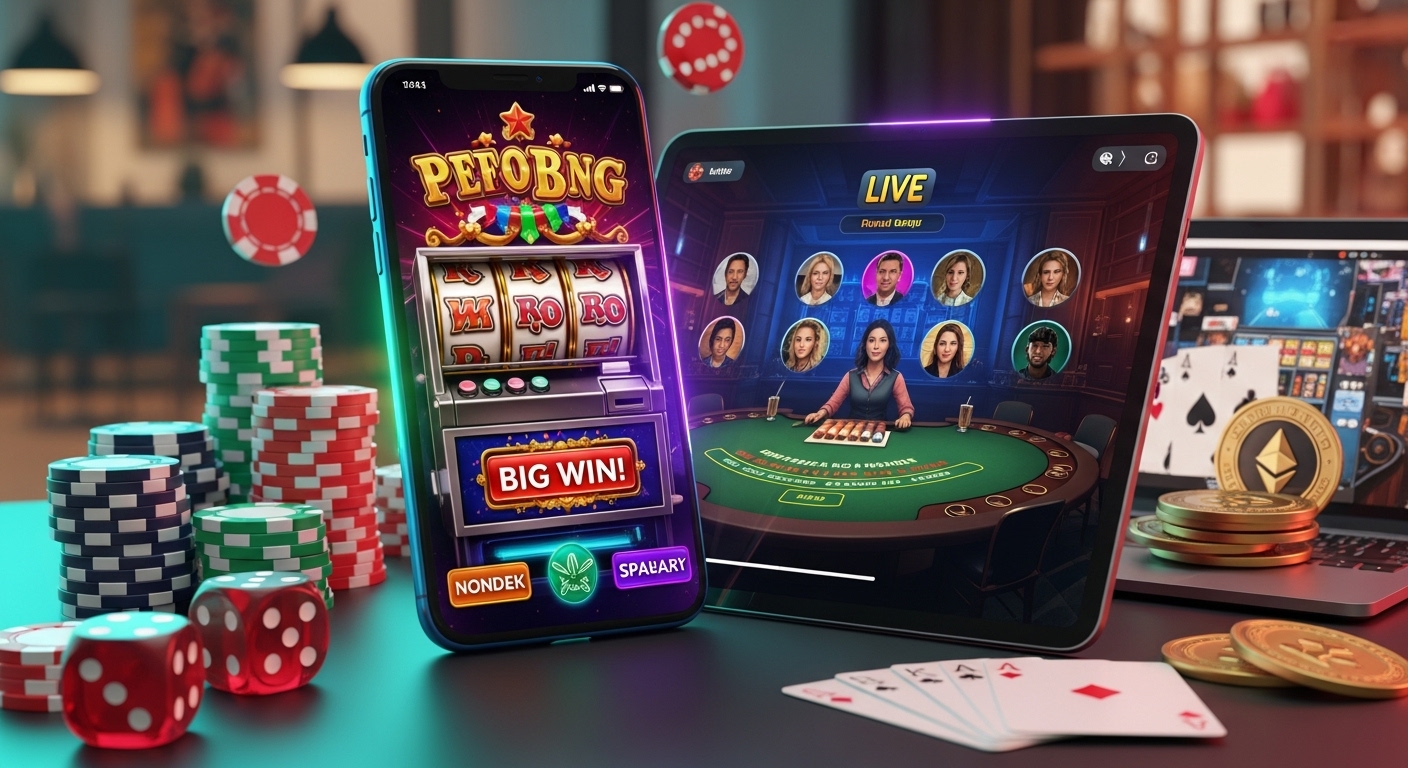

Introduction: The Rise of iGaming
The gaming industry has witnessed an extraordinary transformation over the last decade, driven by technology and changing consumer behaviors. Among the most significant shifts is the emergence of iGaming, an online entertainment ecosystem that combines gambling, strategy, and immersive experiences. What started as simple online casino games has evolved into a global digital phenomenon, captivating millions of users worldwide.
iGaming is no longer confined to traditional gambling. It now encompasses a variety of online interactive experiences, including virtual poker, sports betting, online slots, lotteries, and live dealer games. This new form of digital play provides convenience, accessibility, and engagement that were impossible in the era of brick-and-mortar casinos.
Defining iGaming: Beyond Traditional Gambling
iGaming, or interactive gaming, refers to any gaming activity conducted through online platforms. Unlike conventional casinos or physical gaming hubs, iGaming allows users to play anytime and anywhere using their computers, smartphones, or tablets. The industry offers a wide range of options, from classic table games like blackjack and roulette to innovative slot machines, skill-based games, and real-time live dealer experiences.
One of the key differentiators of iGaming is the digital layer of interactivity. Unlike traditional gambling, online platforms can offer advanced graphics, sound effects, user-friendly interfaces, and real-time feedback. Players can also engage in multiplayer modes, compete in tournaments, and access instant statistics, making the overall experience richer and more engaging.
Why iGaming Has Gained Massive Popularity
Convenience at Its Core
The convenience of playing from anywhere is a primary reason for iGaming’s rapid growth. Players no longer need to plan trips to physical casinos or adhere to operating hours. Whether at home, during a commute, or on a lunch break, iGaming platforms allow instant access to a wide range of games.
Variety of Games and Experiences
iGaming platforms are not limited by physical space, enabling them to host hundreds, even thousands, of games. Players can explore an extensive library of online slots, card games, live dealer tables, lottery draws, and more. The variety ensures that users never run out of options and can experiment with new games without restrictions.
Interactive and Immersive Features
Modern iGaming experiences are highly immersive. Realistic animations, live streaming, and adaptive soundscapes make digital gameplay engaging. Live dealer games simulate the physical casino environment while allowing real-time interaction with hosts and other players, creating a social aspect often missing in traditional online gambling.
Bonuses and Incentives
iGaming platforms attract and retain players through bonuses, rewards, and loyalty programs. Welcome offers, free spins, cashbacks, and seasonal promotions add excitement and provide additional value. These incentives also encourage strategic play and long-term engagement, making the gaming experience more rewarding.
The Technology Behind iGaming
Mobile Gaming Revolution
The proliferation of smartphones and high-speed internet has been instrumental in iGaming’s success. Mobile gaming ensures that players can access platforms without needing a computer. Many platforms have adopted a mobile-first approach, optimizing gameplay for touchscreens and different operating systems, creating seamless experiences for users on the go.
Artificial Intelligence and Personalization
Artificial intelligence is transforming iGaming by analyzing player behavior and delivering personalized experiences. AI can suggest games based on user preferences, adjust difficulty levels, and provide real-time support. Personalized gaming enhances user satisfaction and retention, as players feel the platform adapts to their unique needs.
Blockchain and Security
Blockchain technology has started to reshape the iGaming landscape by offering transparency, fairness, and secure financial transactions. Using blockchain, players can verify game outcomes and ensure randomness. Cryptocurrencies and decentralized systems also simplify deposits and withdrawals, attracting users who prioritize privacy and secure transactions.
Virtual and Augmented Reality
Virtual reality (VR) and augmented reality (AR) are poised to revolutionize the iGaming experience. VR can create fully immersive digital casinos where players interact with realistic environments and avatars. AR can overlay game features on real-world surroundings, enhancing engagement and creating unique gameplay opportunities that go beyond traditional digital formats.
Regulation and Responsible Gaming
As iGaming grows, regulation becomes critical for player protection and industry integrity. Regulatory frameworks vary across regions, focusing on fair play, age verification, responsible gambling, and transparency. Licensed platforms must adhere to strict rules to ensure safe and secure gaming environments.
Responsible gaming features are also essential. Platforms provide tools like spending limits, session reminders, and self-exclusion options to promote healthy gaming habits. These mechanisms protect players from excessive gambling while building trust and credibility within the industry.
The Social Dimension of iGaming
iGaming is no longer a solitary experience. Social interaction has become an integral component of online gaming platforms. Multiplayer games, chat features, and live tournaments allow players to connect, share achievements, and compete together. This sense of community replicates the social aspect of traditional casinos while leveraging the convenience of digital platforms.
Live dealer experiences further enhance social interaction. Players can communicate with real hosts and other participants, creating a hybrid experience that combines real-world engagement with the flexibility of online gaming.
Economic Impact of iGaming
The iGaming industry has become a multi-billion-dollar global sector, driving economic growth and innovation. Revenue generation extends beyond gaming itself, supporting software development, cybersecurity, marketing, data analytics, and customer support. It also creates employment opportunities in technology, design, operations, and creative development.
Additionally, iGaming platforms stimulate economic activity through taxation, licensing fees, and international transactions. As the industry grows, it attracts investment, encourages technological innovation, and influences broader digital entertainment markets.
Emerging Trends in iGaming
Hyper-Personalized Experiences
The future of iGaming is highly personalized. Platforms are using advanced algorithms to tailor game recommendations, difficulty levels, and bonus offerings based on individual preferences. Hyper-personalization increases player engagement and satisfaction, ensuring longer retention.
Gamification Across Platforms
Gamification is expanding in iGaming, with elements like progress tracking, achievements, missions, and story-driven challenges. These features make gaming more interactive and engaging, motivating players to participate regularly and explore diverse content.
Integration with Wearable Technology
The integration of wearable devices offers exciting opportunities for iGaming. Smartwatches, AR glasses, and fitness trackers can provide real-time notifications, track player performance, and offer immersive gameplay experiences, enhancing interactivity and personalization.
Global Expansion and Cultural Adaptation
As internet accessibility grows worldwide, iGaming platforms are expanding into new regions. Localization, including language adaptation, culturally relevant game themes, and payment options suited to local markets, will play a vital role in global adoption.
Challenges Facing the iGaming Industry
Despite its growth, iGaming faces several challenges. Regulatory differences across countries can create barriers to entry and complicate compliance. Cybersecurity risks, including hacking and fraudulent transactions, pose threats to both operators and players. Additionally, maintaining responsible gaming practices and preventing addiction are ongoing concerns that require constant attention and innovation.
Conclusion: The Future of Digital Entertainment
iGaming represents a major shift in how people engage with digital entertainment. Its combination of convenience, technological innovation, diverse gameplay, and social interaction has redefined the gaming landscape. With continued advancements in AI, VR, AR, and blockchain, iGaming is poised for even more immersive and personalized experiences in the future.
For players, developers, and entrepreneurs, iGaming offers a dynamic environment full of opportunities. It continues to transform not only how we play but also how we perceive digital entertainment, making it one of the most exciting and influential industries in the world today.