
Introduction: A New Era of Digital Entertainment
The world of entertainment has evolved dramatically over the last decade, and one of the most significant changes is the rise of iGaming. Short for interactive gaming, iGaming represents a fusion of technology, strategy, and real-time engagement that has transformed traditional gaming and gambling. Unlike conventional casinos or offline games, iGaming allows players to engage with their favorite games anytime and anywhere using digital devices.
iGaming has grown from a niche online activity to a global phenomenon, captivating millions of users with immersive experiences, convenience, and rewards. It has redefined the way people interact with games and introduced new forms of social and competitive play. This blog will explore iGaming in depth, including its features, appeal, technological innovations, regulation, social dimensions, economic impact, trends, challenges, and future prospects.
What is iGaming? Understanding the Concept
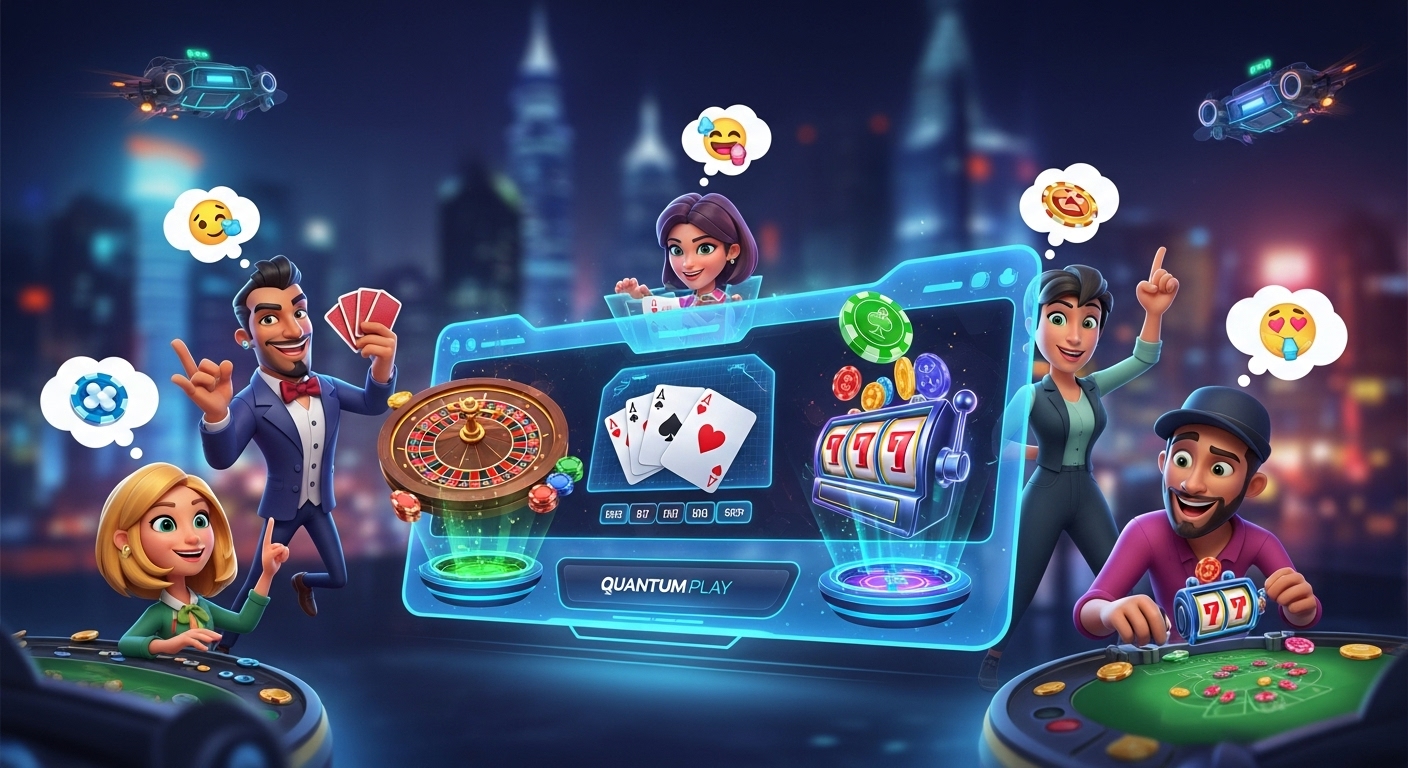
iGaming refers to all forms of gambling and interactive games conducted through digital platforms. This includes online casinos, poker, sports betting, virtual slot machines, lotteries, and live dealer experiences. The core idea behind iGaming is interactivity: players are not just passive observers but active participants whose decisions affect the outcomes of games.
Unlike traditional casinos, iGaming provides an extensive range of games without physical limitations. It allows players to access content at any time, explore new strategies, and compete in real-time against other players or automated systems. This flexibility and variety have become key factors driving the industry’s rapid growth.
The Key Reasons for iGaming’s Popularity
Convenience and Accessibility
One of the primary reasons iGaming has become so popular is convenience. Players can enjoy games without leaving their homes, traveling, or adhering to the operating hours of physical casinos. The ability to play anytime, anywhere has attracted a broader audience, including casual gamers and professionals who appreciate entertainment that fits their schedules.
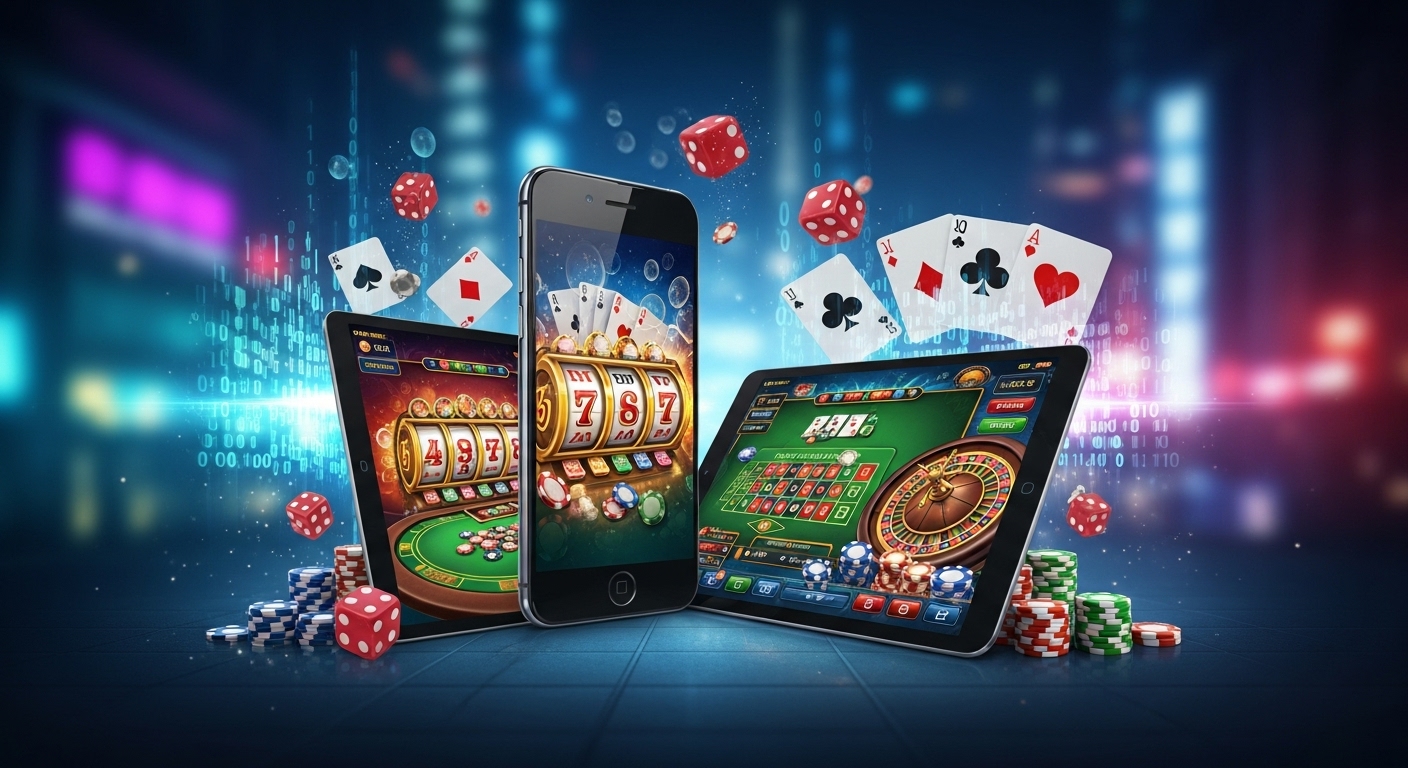
Mobile technology has further enhanced accessibility. Smartphones and tablets allow players to engage seamlessly on the go, creating a gaming experience that is fully integrated into daily life.
Variety and Diversity of Games
iGaming platforms offer an unparalleled range of games. Players can explore traditional table games such as blackjack and roulette, skill-based card games like poker, innovative slot machines with complex themes, and live dealer experiences that simulate real-world casinos. Virtual sports betting and lottery games also provide additional variety. The sheer diversity ensures that players never run out of options and can continuously discover new experiences.
Immersive Digital Experiences
Modern iGaming platforms focus heavily on immersion. High-quality graphics, realistic soundscapes, interactive animations, and live streaming create engaging and dynamic environments. Live dealer games, in particular, replicate the experience of being in a physical casino, allowing players to interact with real hosts and other participants. This combination of digital convenience and social engagement makes iGaming uniquely appealing.
Bonuses and Loyalty Programs
iGaming platforms attract and retain players through bonuses, promotions, and reward systems. Welcome packages, free spins, cashbacks, and loyalty rewards provide additional value and incentivize long-term engagement. Gamification techniques, including missions, challenges, and leaderboards, further enhance the experience, motivating players to explore different games and maintain consistent participation.
Technology Driving iGaming Growth
Mobile-First Gaming
The rise of mobile technology has transformed iGaming by making games accessible anywhere and anytime. Mobile-optimized platforms ensure smooth gameplay on smartphones and tablets, with responsive design and intuitive navigation. Mobile gaming allows players to participate without relying on computers, making digital entertainment highly convenient and portable.
Artificial Intelligence and Personalization
Artificial intelligence plays a crucial role in enhancing user experiences on iGaming platforms. AI algorithms analyze player behavior to recommend games, personalize challenges, and adapt difficulty levels. It also monitors gameplay for irregularities, ensuring fairness and improving customer support. By tailoring experiences to individual preferences, AI increases engagement, satisfaction, and retention.
Blockchain and Secure Transactions
Blockchain technology has added a layer of transparency and security to iGaming. It ensures that game outcomes are verifiable and tamper-proof, while cryptocurrencies facilitate fast, safe, and anonymous financial transactions. Blockchain also enables decentralized gaming platforms, reducing dependence on traditional banking systems and increasing trust among players worldwide.
Virtual and Augmented Reality
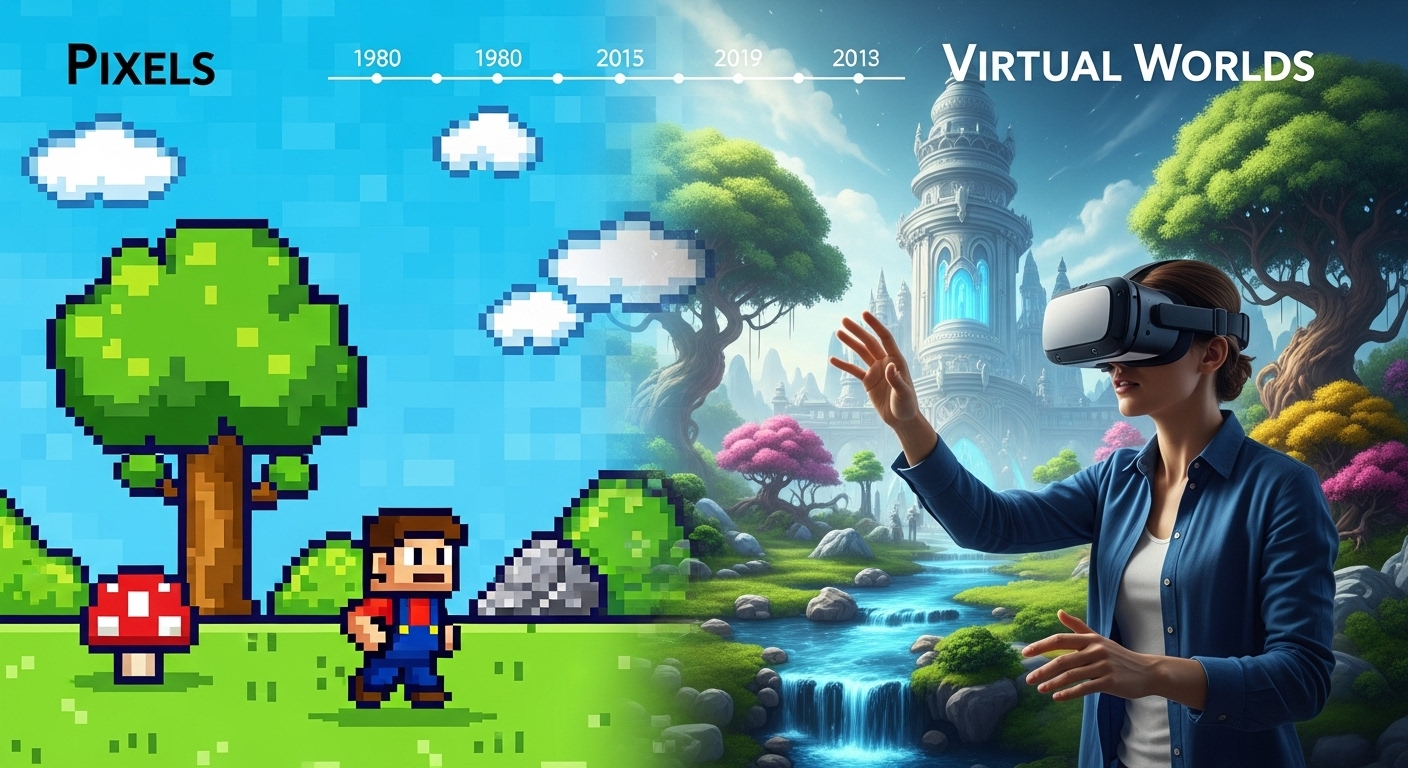
Virtual reality and augmented reality are emerging technologies with the potential to redefine iGaming. VR can create fully immersive digital casinos where players interact with realistic 3D environments and avatars. AR can overlay gaming elements onto real-world surroundings, offering unique and interactive experiences. These innovations are expected to enhance engagement and attract a new generation of digital gamers.
Regulation and Responsible Gaming
Regulation is vital in the iGaming industry to ensure fairness, security, and responsible play. Licensing authorities in different regions enforce strict guidelines covering age verification, responsible gambling measures, transparency, and operational standards.
Responsible gaming tools, such as spending limits, session reminders, and self-exclusion options, protect players from developing harmful habits. These measures foster trust and credibility, which are essential for sustaining long-term growth in a competitive market.
The Social Dimension of iGaming
iGaming has evolved into a social activity, offering features that allow interaction among players. Multiplayer games, live tournaments, chat functions, and community events provide opportunities for players to connect and compete. Social elements add excitement, engagement, and a sense of belonging, bridging the gap between solitary digital play and traditional casino experiences.
Live dealer games are particularly effective in creating social engagement. Players interact with real hosts and fellow participants in real time, forming relationships and creating a communal atmosphere within a digital environment.
Economic Impact of iGaming
iGaming has become a major contributor to the global economy. The industry generates billions in revenue annually and supports numerous related sectors, including software development, cybersecurity, marketing, data analytics, and customer service.
It also creates employment opportunities in technology, creative design, operations, and content development. Beyond direct economic contributions, iGaming platforms drive investment in infrastructure, technology, and innovation, stimulating broader digital growth and opening new revenue streams for businesses and governments.
Emerging Trends in iGaming
Hyper-Personalized Experiences
The future of iGaming lies in hyper-personalization. Platforms increasingly use data-driven insights to tailor game suggestions, difficulty levels, rewards, and challenges for each player. Personalized experiences improve engagement and retention, offering players content that matches their interests and skills.
Gamification and Interactive Mechanics
Gamification continues to shape iGaming experiences. Features such as achievements, progress bars, challenges, and narrative-driven missions make gaming more engaging and interactive. These mechanics encourage players to explore different games, maintain loyalty, and increase participation over time.
Integration with Wearables and Smart Devices
Wearable technology opens new possibilities for iGaming. Smartwatches, AR glasses, and fitness trackers can provide real-time notifications, monitor player performance, and integrate physical activity into gameplay. This creates innovative experiences that combine real-world metrics with digital entertainment.
Global Expansion and Cultural Adaptation
As internet access expands globally, iGaming platforms are entering new markets. Localization, including language adaptation, culturally relevant game themes, and region-specific payment solutions, is essential for success. Catering to local preferences enables platforms to reach a wider audience and achieve sustainable growth.
Challenges in the iGaming Industry
Despite its growth, iGaming faces challenges. Regulatory differences across regions can create barriers and compliance complexities. Cybersecurity threats, including hacking and fraud, require robust solutions to protect players and platforms. Responsible gaming remains a crucial concern, as excessive or addictive behavior can undermine the industry’s reputation.
Maintaining transparency, security, and player trust while continuing innovation is the key to overcoming these challenges and ensuring long-term success.
Conclusion: iGaming as a Digital Entertainment Powerhouse
iGaming has fundamentally changed the landscape of digital entertainment. By combining convenience, immersive experiences, interactivity, and social engagement, it has created a unique and dynamic form of entertainment. Technology innovations such as artificial intelligence, blockchain, virtual reality, and mobile gaming are continuously enhancing the experience, making iGaming more accessible, engaging, and secure.
For players, developers, and investors, iGaming represents a thriving industry with endless opportunities. It is a testament to how digital innovation can transform traditional entertainment, creating experiences that are interactive, personalized, and globally accessible. The iGaming revolution is only beginning, and its potential to shape the future of entertainment is immense.