
Introduction: The Dawn of a New Gaming Era
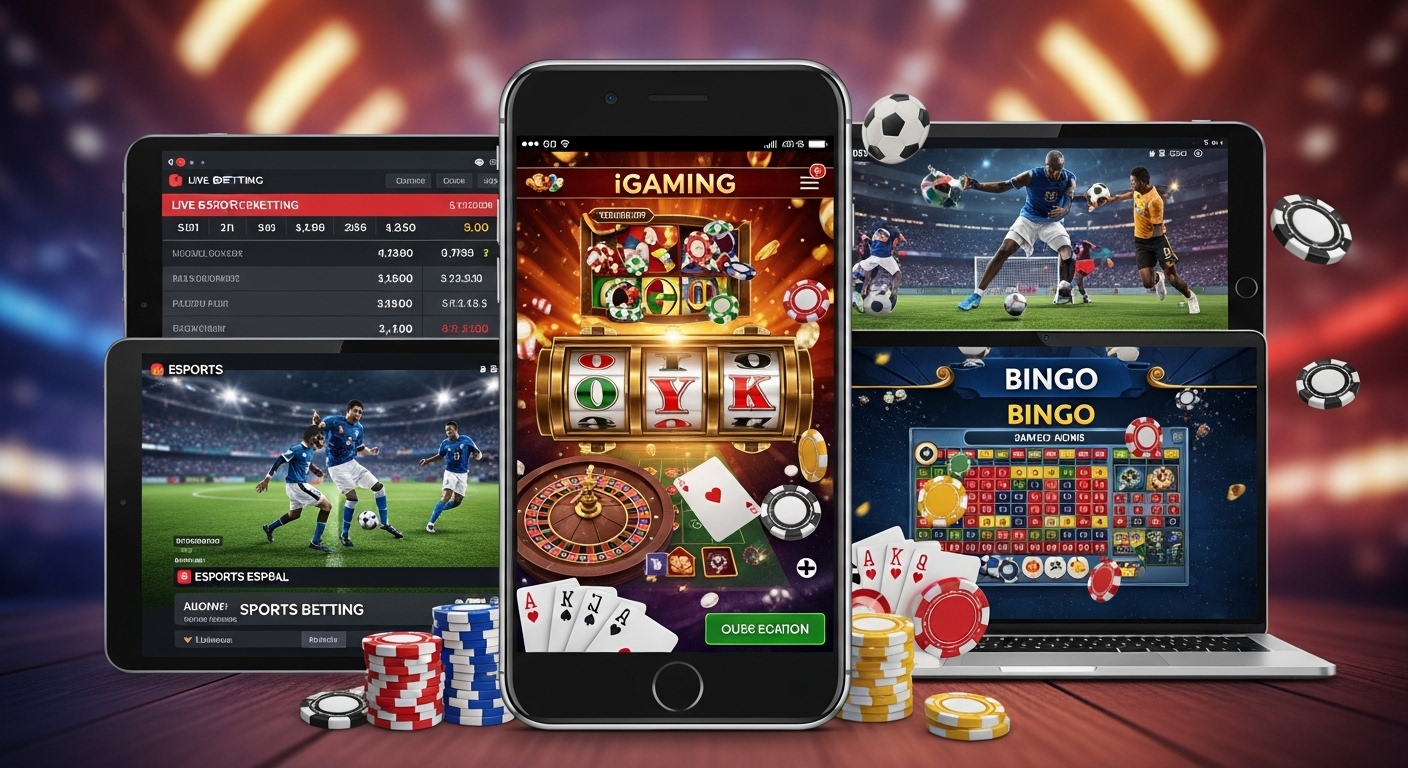
In the last decade, the way people interact with games has changed dramatically. The rise of digital platforms has not only made gaming more accessible but has also given birth to a new form of entertainment: iGaming. Unlike traditional gambling or console gaming, iGaming integrates technology, interactivity, and real-time connectivity, offering experiences that appeal to a global audience. From virtual casinos to sports betting apps, iGaming has expanded into an industry that combines convenience, innovation, and social engagement.
As people increasingly seek entertainment that fits their lifestyle, iGaming has become more than a pastime—it is a dynamic ecosystem where technology meets human interaction. This blog explores the essence of iGaming, its appeal, the technology behind it, regulatory considerations, social elements, economic impact, emerging trends, challenges, and the future prospects of this rapidly growing industry.
What is iGaming? Understanding the Basics
iGaming, short for interactive gaming, refers to all forms of gambling conducted through online platforms. This includes online casino games, poker, sports betting, lotteries, virtual slot machines, and live dealer experiences. Unlike traditional gaming that requires physical presence, iGaming allows players to engage anytime and anywhere using computers, smartphones, or tablets.
A defining feature of iGaming is its ability to combine entertainment with interactivity. Players do not merely watch or follow the game; they participate actively, with results, strategies, and choices impacting the experience. The digital medium also allows platforms to offer vast libraries of games that far surpass the limitations of physical casinos, making variety one of iGaming’s strongest appeals.
The Key Factors Driving iGaming’s Popularity
Convenience and Accessibility
Convenience is at the heart of iGaming’s rise. Unlike traditional gambling, which requires travel and adherence to specific schedules, online platforms are available 24/7. Players can engage from their homes, during commutes, or while taking a break, providing an unparalleled level of accessibility. This flexibility has broadened the audience, attracting not only traditional gamblers but also casual players who enjoy games for entertainment rather than competition.
Diverse Gaming Options
One of iGaming’s most compelling features is the vast array of games it offers. Players can explore everything from classic card games like poker and blackjack to innovative slot machines with unique themes and immersive storylines. Live dealer tables, virtual sports betting, and skill-based games provide endless opportunities for engagement. The availability of multiple gaming formats ensures that there is something for every type of player.
Immersive Experiences
Modern iGaming platforms focus on creating immersive experiences that replicate real-world environments. Advanced graphics, realistic sound effects, interactive animations, and live streaming combine to create a fully engaging experience. Live dealer games, in particular, offer a social dimension, allowing players to interact with hosts and fellow participants in real time, bridging the gap between digital and physical entertainment.
Bonuses and Incentives
Promotions, bonuses, and reward systems are integral to the iGaming model. Platforms offer welcome packages, loyalty programs, free spins, and seasonal rewards to attract and retain players. These incentives create excitement and provide tangible benefits, enhancing player satisfaction and encouraging long-term engagement. Gamification techniques such as challenges, achievements, and leaderboards further elevate the gaming experience.
The Technology Powering iGaming
Mobile Gaming
The proliferation of smartphones and high-speed internet has revolutionized iGaming. Mobile devices allow players to access platforms instantly, making gaming a convenient part of daily life. Many platforms now prioritize mobile-first design, ensuring that games are optimized for touchscreens and different operating systems. Mobile gaming provides flexibility and convenience that traditional casinos cannot match, further driving adoption.
Artificial Intelligence and Personalization
Artificial intelligence plays a critical role in enhancing player experiences. AI analyzes user behavior to deliver personalized game recommendations, adjust difficulty levels, and detect unusual patterns. This level of personalization keeps players engaged and ensures that games remain challenging and entertaining. AI-driven chatbots also provide customer support and real-time guidance, improving overall user satisfaction.
Blockchain and Secure Transactions
Blockchain technology has introduced transparency, fairness, and security into iGaming. It allows players to verify game outcomes and ensures that transactions are tamper-proof. Cryptocurrencies and decentralized systems provide faster, safer, and more private methods of depositing and withdrawing funds. This technology not only increases player trust but also broadens the global accessibility of platforms by reducing dependency on traditional banking systems.
Virtual Reality and Augmented Reality
Virtual reality and augmented reality are transforming the iGaming experience. VR creates immersive digital casinos where players can walk through virtual halls, interact with other participants, and experience games in three-dimensional spaces. AR, on the other hand, overlays gaming elements onto real-world environments, enabling innovative gameplay. These technologies are setting the stage for the next generation of iGaming, where the boundary between digital and physical entertainment continues to blur.
Regulation and Responsible Gaming
As iGaming continues to expand, regulation becomes essential for ensuring player protection and maintaining industry credibility. Different countries have distinct licensing and regulatory requirements that platforms must comply with, covering aspects such as fairness, responsible gambling, and financial transparency.
Responsible gaming measures are critical to preventing addiction and promoting safe play. Many platforms offer tools such as spending limits, self-exclusion options, session reminders, and age verification. By implementing these measures, iGaming platforms protect their users and build trust, ensuring sustainable growth and long-term success.
Social Interaction in iGaming
iGaming has evolved into a social activity, offering more than solitary play. Many platforms incorporate chat features, multiplayer games, live tournaments, and community challenges. Players can compete with friends, join guilds, and share achievements, creating a vibrant social ecosystem.
Live dealer games, in particular, replicate the interaction of physical casinos. Players can converse with hosts and other participants, forging connections while enjoying the convenience of online platforms. This social dimension is a key differentiator, adding engagement and emotional connection to digital gaming.
The Economic Impact of iGaming
The iGaming industry has become a significant contributor to the global economy. With revenues in the billions, it supports a wide range of sectors, including software development, cybersecurity, marketing, analytics, customer support, and content creation. Employment opportunities span technical, creative, and operational roles, making iGaming a major driver of digital job growth.
Beyond direct revenue, iGaming stimulates local economies through taxation, licensing fees, and international transactions. Investment in technology and infrastructure creates further economic value, making iGaming a key player in the broader digital entertainment landscape.
Emerging Trends in iGaming
Hyper-Personalized Gaming Experiences
The future of iGaming lies in hyper-personalization. Platforms are increasingly tailoring game suggestions, challenges, bonuses, and difficulty levels to individual users. This approach enhances engagement, improves retention, and ensures that players enjoy experiences that align with their interests and skills.
Gamification for Long-Term Engagement
Gamification continues to shape iGaming, with features like missions, achievements, progress bars, and interactive storylines. These elements make the gaming experience more dynamic and rewarding, encouraging players to explore new content and stay engaged over extended periods.
Integration with Wearable Devices
Wearable technology presents exciting opportunities for iGaming. Smartwatches, AR glasses, and fitness trackers can provide notifications, track player activity, and integrate real-world metrics into gameplay. This level of interaction adds depth to the gaming experience and introduces innovative ways to engage users.
Global Expansion and Localization
As internet access expands worldwide, iGaming platforms are entering new markets. Localization—adapting games to cultural preferences, local languages, and regional payment options—is essential for success. By catering to diverse audiences, iGaming platforms can achieve widespread adoption and sustainable growth.
Challenges Facing the Industry
Despite its growth, iGaming faces several challenges. Regulatory compliance varies by region, requiring platforms to navigate complex legal frameworks. Cybersecurity threats, including hacking and fraud, pose risks to players and operators alike. Additionally, the industry must address responsible gambling concerns, ensuring that users engage safely and do not develop harmful habits.
Conclusion: The Future of iGaming
iGaming represents a revolutionary shift in entertainment, blending technology, social interaction, and accessibility into a cohesive digital experience. Its convenience, diversity, immersive features, and economic impact make it one of the most dynamic sectors in modern entertainment.
As technology advances through artificial intelligence, virtual reality, blockchain, and mobile innovation, iGaming will continue to redefine how people play, interact, and engage with digital platforms. For players, developers, and entrepreneurs, the iGaming ecosystem offers limitless opportunities. Its evolution is a testament to how digital innovation can transform traditional industries, creating new forms of entertainment that are engaging, social, and globally accessible.
The iGaming revolution is far from over, and the future promises even more exciting possibilities for anyone who is part of this fast-growing digital landscape.