
Introduction: The Rise of a Digital Gaming Phenomenon
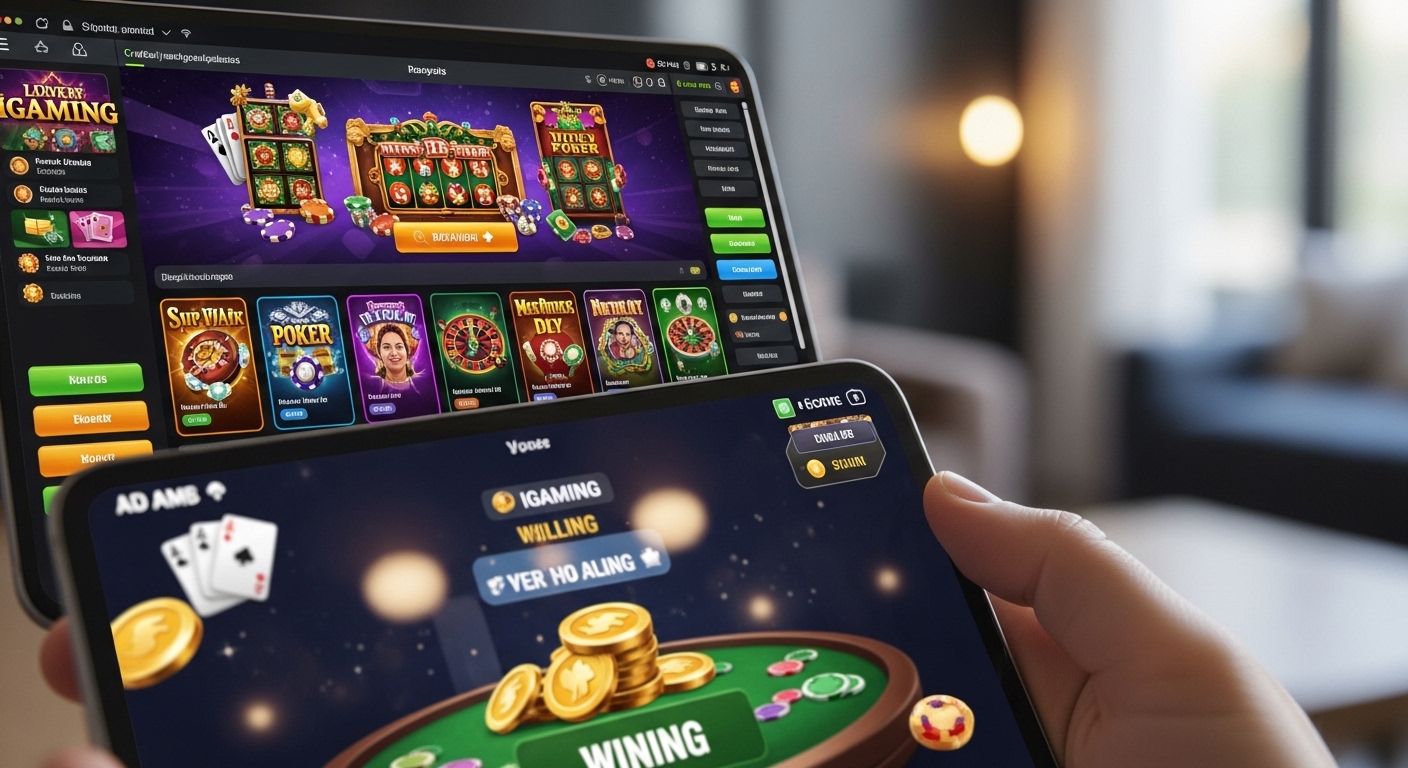
In the last decade, the entertainment industry has witnessed a massive transformation, driven primarily by technological advancements and digitalization. Among the most remarkable sectors to emerge from this digital evolution is iGaming, a term encompassing online gambling, casinos, sports betting, and other interactive gaming experiences conducted over the internet. Once confined to physical venues and traditional casinos, gaming has now evolved into a highly accessible, immersive, and globally popular online activity. The iGaming industry has become a billion-dollar powerhouse, reshaping how people experience entertainment and challenging conventional perceptions of gaming itself.
Understanding iGaming and Its Core Components
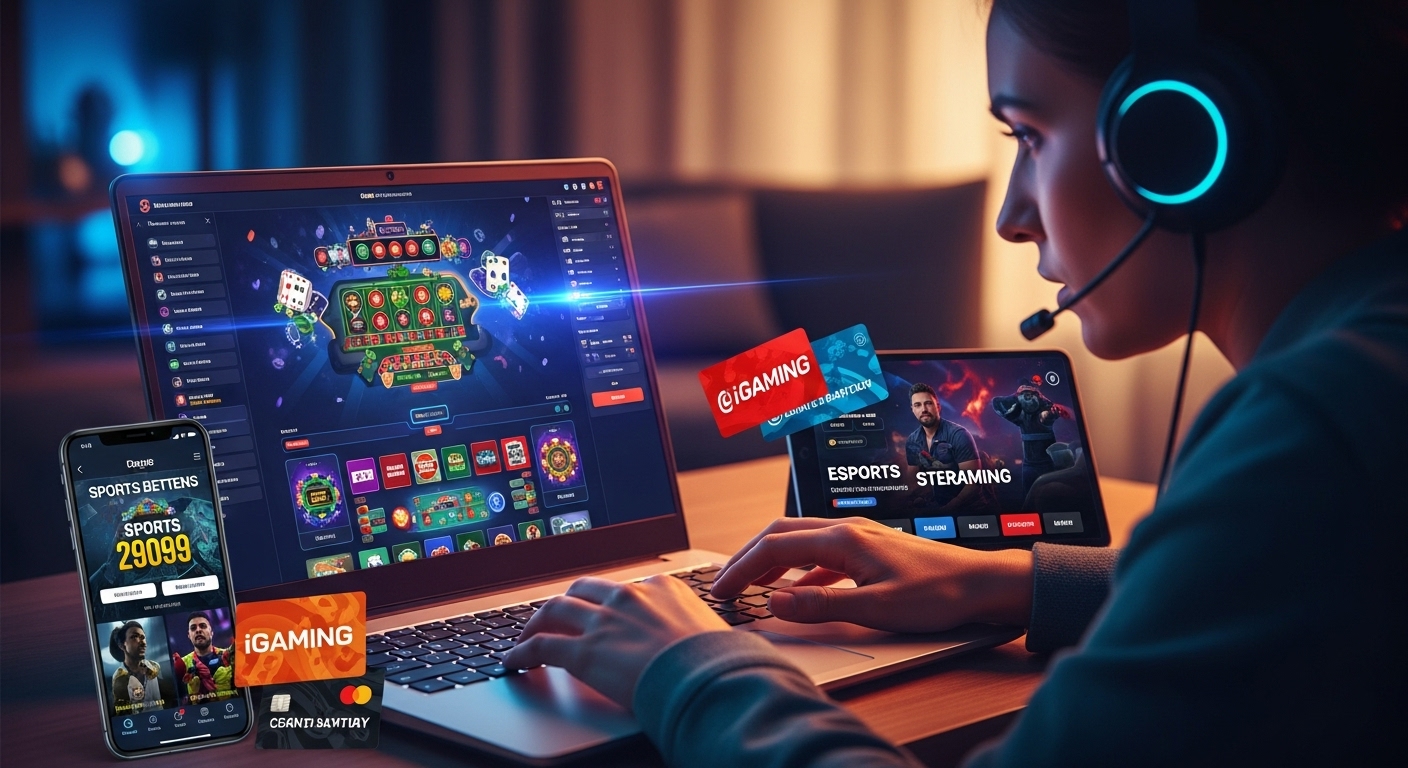
iGaming refers to any form of online betting or gaming where money or virtual assets are wagered. This includes online casinos, poker rooms, sports betting platforms, lotteries, bingo, and even skill-based games. Unlike conventional gaming, where entertainment is the main focus, iGaming combines the thrill of competition with the excitement of winning real rewards. The convenience of accessing these games through smartphones, computers, and tablets has made iGaming one of the fastest-growing digital entertainment industries worldwide.
The diversity of iGaming platforms is one of its defining characteristics. Players can engage in slot machines, live dealer games, esports betting, fantasy sports, and even virtual reality casino environments. The expansion of internet access, secure payment systems, and technological innovation has contributed significantly to the rise of iGaming as a mainstream form of leisure.
The Evolution of iGaming Technology
The success of iGaming is deeply rooted in its technological evolution. Initially, online casinos were basic, offering limited graphics and few interactive elements. However, as technology progressed, the industry embraced innovations that revolutionized user experience. High-definition graphics, artificial intelligence, blockchain, and mobile compatibility have all transformed the digital gambling landscape.
The introduction of live dealer games, for example, bridged the gap between traditional casinos and online play by allowing users to interact with real dealers in real time through streaming technology. Meanwhile, artificial intelligence has been used to personalize gaming experiences, detect fraud, and ensure responsible gambling. The development of blockchain and cryptocurrency has also introduced new levels of transparency and security, enabling players to enjoy fair play and instant transactions.
The Global Appeal of iGaming
One of the most fascinating aspects of iGaming is its global reach. Players from different continents can participate in the same game, tournament, or betting event simultaneously. This borderless accessibility has created a worldwide community of gaming enthusiasts who share a passion for digital entertainment. The flexibility of iGaming platforms, which operate around the clock, allows people to engage anytime and anywhere, regardless of location or time zone.
The cultural impact of iGaming is also significant. In many regions, it has not only redefined the perception of gambling but also encouraged governments and regulatory bodies to modernize their laws to accommodate digital platforms. Countries across Europe, Asia, and Latin America are witnessing an explosion of licensed operators, making iGaming a legitimate and regulated source of entertainment and revenue.
Mobile Gaming and the Shift to On-the-Go Entertainment
The widespread use of smartphones has revolutionized the iGaming experience. Mobile gaming has become the preferred choice for millions of users who want the freedom to play while traveling, during breaks, or from the comfort of their homes. Developers have optimized their platforms for mobile use, ensuring smooth gameplay, intuitive interfaces, and secure payment options.
The convenience of mobile access has also expanded the demographic of iGaming users. Once dominated by a niche group of tech-savvy individuals, iGaming now attracts casual players, professionals, and even older adults. This shift demonstrates that the appeal of interactive gaming extends far beyond traditional stereotypes.
The Role of Artificial Intelligence and Data Analytics
Artificial intelligence and data analytics have become essential tools in shaping the modern iGaming industry. Through AI algorithms, platforms can analyze player behavior, preferences, and spending habits to offer personalized recommendations and bonuses. This creates a more engaging experience while promoting user retention.
Additionally, AI helps ensure fair play and responsible gambling by detecting unusual patterns that might indicate addiction or fraudulent activities. Data analytics also allows companies to optimize their marketing strategies and develop better games that meet the expectations of their target audiences. In essence, technology not only enhances player enjoyment but also promotes a safer and more transparent gaming environment.
The Economic Impact of iGaming
The economic footprint of iGaming is impressive. As one of the fastest-growing sectors of digital entertainment, it contributes billions to the global economy each year. Governments in many countries have recognized its potential for revenue generation and employment opportunities. Licensing fees, taxes, and investments in related industries such as software development, cybersecurity, and financial services have created a thriving ecosystem around iGaming.
Furthermore, the competition among iGaming operators has led to continuous innovation, driving better graphics, faster platforms, and enhanced customer experiences. This economic vitality not only benefits the industry itself but also supports technological progress and global digital transformation.
The Social Aspect of iGaming Communities
While iGaming is often viewed as a solitary activity, it has evolved into a highly social experience. Online chat rooms, multiplayer tournaments, and interactive live dealer games allow players to connect and communicate in real time. These virtual communities foster a sense of belonging among participants who share similar interests.
In addition, the integration of gamification elements—such as leaderboards, achievements, and loyalty rewards—encourages players to engage more actively. Social interaction within iGaming platforms also mirrors real-world connections, transforming what was once a private hobby into a global social phenomenon.
Responsible Gaming and Regulation
With great popularity comes great responsibility. The iGaming industry has faced scrutiny regarding addiction, underage participation, and financial risks. To address these challenges, regulators and operators have introduced responsible gaming measures. These include self-exclusion programs, spending limits, and AI-based monitoring systems designed to identify problematic behavior early on.
Regulation plays a crucial role in maintaining the integrity of iGaming platforms. Licensed operators must comply with strict standards of fairness, transparency, and data protection. This not only protects players but also enhances the credibility of the industry as a whole. As the market expands, responsible gaming practices remain essential to ensuring that iGaming remains a sustainable form of entertainment rather than a source of harm.
Virtual Reality and the Future of Immersive iGaming
The future of iGaming lies in immersive technology. Virtual reality (VR) and augmented reality (AR) are redefining how players experience online casinos and betting platforms. Imagine stepping into a virtual casino, interacting with other players, and playing your favorite games as if you were physically present—all from your living room.
Developers are experimenting with 3D environments and haptic feedback to enhance realism. These advancements will not only attract new audiences but also deepen engagement among existing users. As VR hardware becomes more affordable and accessible, the integration of virtual experiences in iGaming will become the next major evolution in digital entertainment.
The Influence of Blockchain and Cryptocurrencies
Blockchain technology has introduced a new era of transparency and trust in iGaming. Its decentralized nature ensures that every transaction is recorded on a secure public ledger, reducing the risk of fraud or manipulation. Cryptocurrencies, such as Bitcoin and Ethereum, are increasingly being accepted as payment methods, offering players faster and more anonymous transactions.
The use of smart contracts also automates payouts and game rules, ensuring that outcomes are fair and verifiable. As more players seek privacy and security in their online activities, blockchain-based iGaming platforms are likely to dominate the next generation of online gaming.
Cultural and Psychological Dimensions of iGaming
iGaming is more than just entertainment—it reflects a cultural shift in how people engage with technology and social interaction. For many, it serves as a form of relaxation, mental stimulation, and even a social outlet. The thrill of competition and the potential for rewards create a psychological appeal that keeps users engaged.
However, it is essential to recognize that balance is key. While iGaming offers fun and excitement, responsible participation ensures that it remains a positive experience. Understanding the motivations behind player behavior can help the industry continue to grow ethically and sustainably.
Conclusion: The Endless Possibilities of iGaming’s Future
The world of iGaming stands as a testament to how technology and creativity can transform traditional forms of entertainment. From simple online casino games to immersive virtual worlds, the industry has redefined what it means to play, connect, and win. Its continued growth promises more innovation, inclusivity, and global collaboration.
As iGaming evolves, it will continue to blend technology, culture, and human interaction in exciting new ways. Whether through artificial intelligence, virtual reality, or blockchain innovation, the future of iGaming is bright and boundless. What began as a niche form of digital gambling has now become a global movement—one that reflects the limitless potential of modern digital entertainment.