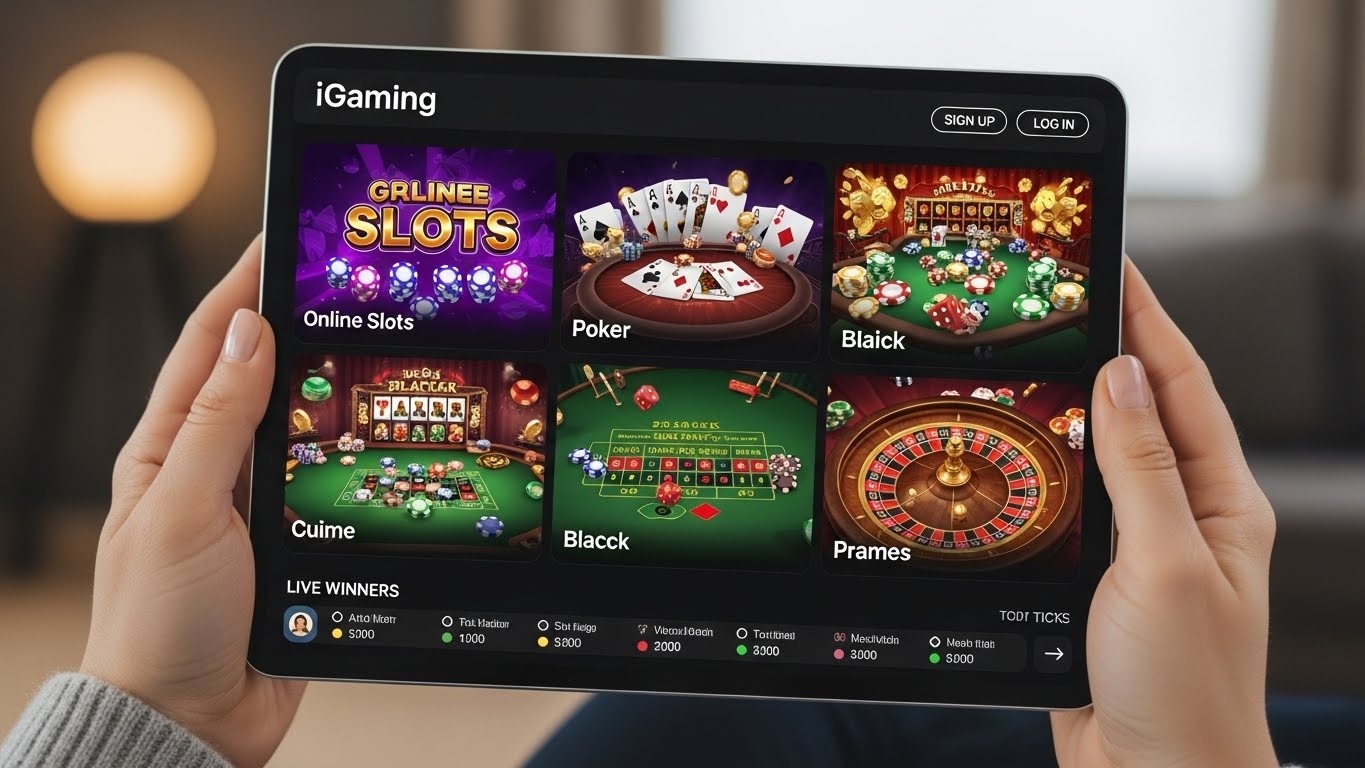

The world of entertainment has undergone a radical transformation in recent years, and one of the most significant changes has been the rise of iGaming. iGaming, short for internet gaming, refers to any type of gaming or gambling that is conducted online, encompassing everything from online casinos and sports betting to poker and virtual lotteries. Once confined to physical casinos and betting shops, gaming has now expanded into a dynamic digital ecosystem that reaches millions of players worldwide. This blog post explores the origins, growth, and future of iGaming, highlighting its impact on the gambling industry and society as a whole.
What is iGaming?
At its core, iGaming is any form of gambling or betting that takes place on the internet. This includes online casinos, online poker rooms, sports betting platforms, virtual betting, and even lottery systems that are conducted through digital means. iGaming has grown rapidly in recent years, fueled by advancements in technology, widespread internet access, and a shift in consumer preferences towards digital entertainment.
The range of games and activities available through iGaming is vast, with users able to play slots, table games, and even engage in live dealer experiences. Similarly, sports betting covers a wide variety of events and sports, from major leagues like the NFL and Premier League to niche markets in eSports and virtual sports. Online poker and bingo also have dedicated player bases, offering users the chance to compete against each other for real money.
iGaming has become a huge sector within the broader online entertainment industry, with revenues surpassing billions of dollars each year. It has moved far beyond its origins as a recreational pastime, becoming an integral part of the digital economy. The rapid growth of iGaming has been driven by several key factors, including technological advancements, regulatory changes, and the increasing popularity of mobile gaming.
The History and Growth of iGaming
The concept of gambling has been around for centuries, but the idea of gambling online only became a reality in the late 1990s. The first online casinos emerged in the mid-1990s with the launch of platforms like InterCasino, which allowed players to enjoy classic casino games such as blackjack, roulette, and slots from the comfort of their own homes. These early online casinos were limited in terms of graphics and gameplay, but they provided the foundation for what would become a global phenomenon.
The real breakthrough for iGaming came with the development of secure payment systems and the rise of online banking. As technology advanced and internet speeds increased, online casinos became more reliable, user-friendly, and accessible to a wider audience. The early 2000s saw a significant expansion of the iGaming market, as more operators entered the space, offering a wider variety of games and betting options. In the same period, the development of random number generators (RNGs) helped ensure fairness and transparency, further boosting player confidence in online gaming.
Another important milestone in the growth of iGaming came in 2006 when the United States passed the Unlawful Internet Gambling Enforcement Act (UIGEA). This legislation, aimed at restricting online gambling, had a significant impact on the global iGaming industry. However, it also led to the emergence of new markets and regulatory frameworks in Europe and other regions. Many countries began to regulate online gambling, which allowed operators to enter new markets legally and provided greater consumer protection for players.
By the 2010s, the rise of mobile technology further accelerated the growth of iGaming. With the proliferation of smartphones and tablets, players could now enjoy their favorite casino games or place sports bets while on the go. The mobile gaming revolution brought iGaming to a whole new level, allowing operators to reach an even wider audience and providing users with a more convenient and flexible way to gamble.
The Impact of Technology on iGaming
One of the main factors contributing to the success of iGaming is the continuous technological innovations that have reshaped the gaming experience. From improved graphics and enhanced user interfaces to more secure payment methods, technology has played a crucial role in the evolution of the industry.
1. Mobile Gaming:
The advent of smartphones and tablets has been a game-changer for iGaming. Mobile apps and mobile-optimized websites allow users to access gaming platforms anywhere, anytime, turning gambling into an on-the-go activity. Whether it’s spinning the reels of an online slot game or betting on live sports events, players can engage with their favorite games without being tethered to a desktop computer. Mobile technology has also enabled more immersive experiences, such as augmented reality (AR) and virtual reality (VR) casino games, which are beginning to enter the market.
2. Live Dealer Games:
Live dealer games have brought a new level of realism and interactivity to the iGaming world. Players can now enjoy a real-time, authentic casino experience from their homes by interacting with live dealers who operate real tables. These games are streamed in high-definition video, and players can engage with dealers and other players via chat features. Live dealer games have gained immense popularity, particularly for games like blackjack, baccarat, and roulette, offering an experience that closely mimics land-based casinos.
3. Blockchain and Cryptocurrencies:
Blockchain technology has begun to make its way into iGaming, offering increased transparency and security. Blockchain’s decentralized nature ensures that transactions are recorded securely, and players can trust that their winnings are handled fairly. In addition, cryptocurrencies like Bitcoin and Ethereum have become widely accepted payment methods on many iGaming platforms, offering greater anonymity, faster transactions, and lower fees compared to traditional payment methods.
4. Artificial Intelligence (AI):
Artificial intelligence has become a valuable tool for iGaming operators. AI-powered algorithms can analyze player behavior, enabling operators to offer personalized experiences and tailored promotions. Furthermore, AI is used to detect patterns of problem gambling, allowing operators to implement responsible gambling practices and ensure player protection. AI is also utilized to improve customer support, with chatbots providing real-time assistance to players.
Regulation and Responsible Gambling
As iGaming continues to grow, regulation and responsible gambling practices have become increasingly important. Different countries and regions have varying laws and regulations regarding online gaming, with some countries embracing the industry and others imposing restrictions. Regulation ensures that operators adhere to strict standards, providing players with a safe and secure environment to gamble online.
1. Global Regulatory Landscape:
The regulatory environment for iGaming is diverse. In Europe, countries like the United Kingdom, Malta, and Gibraltar have established well-regulated frameworks for online gambling, ensuring that operators are licensed, players are protected, and tax revenue is generated. In contrast, the United States has a patchwork of state-by-state regulations, with some states fully embracing iGaming while others maintain strict prohibitions.
In markets where iGaming is regulated, players can be confident that the games are fair, their funds are secure, and they have access to mechanisms for resolving disputes. Regulatory bodies, such as the UK Gambling Commission and the Malta Gaming Authority, ensure that operators meet the highest standards of compliance and transparency.
2. Promoting Responsible Gambling:
As the popularity of iGaming continues to rise, so does the need for responsible gambling practices. Online casinos and betting platforms have integrated several features to promote responsible gambling. These include self-exclusion options, deposit limits, and time tracking tools that help players control their gaming habits. Operators also work closely with organizations that promote responsible gambling and provide resources for individuals who may be at risk of developing gambling problems.
Players, too, play an important role in ensuring that they engage in iGaming responsibly. By setting limits on their spending and playing in moderation, individuals can enjoy the entertainment benefits of online gambling while minimizing the risks associated with excessive gambling.
The Future of iGaming: Trends to Watch
The iGaming industry is evolving rapidly, and several emerging trends suggest that it will continue to grow in both scope and sophistication in the years ahead. These trends are shaping the future of iGaming and may redefine how players engage with online gaming.
1. Esports Betting:
Esports, which involves competitive video gaming, has exploded in popularity over the last decade. Alongside this rise, esports betting has emerged as a significant part of the iGaming market. Fans of competitive gaming are now able to place bets on esports events, ranging from League of Legends to Counter-Strike: Global Offensive. Esports betting platforms offer a new way for players to engage with their favorite games, and as esports continues to gain mainstream acceptance, this segment of iGaming is expected to grow even further.
2. Virtual Reality (VR) and Augmented Reality (AR):
VR and AR technologies are still in their infancy in iGaming, but they hold immense potential to revolutionize the way players experience online gambling. With VR, players could step into a fully immersive casino environment from their homes, engaging with the game and other players in a way that feels incredibly lifelike. AR could enhance live dealer games by overlaying virtual elements onto the real-world gaming experience.
3. Gamification:
As the lines between traditional gaming and gambling continue to blur, gamification has become a prominent feature in iGaming. Operators are increasingly incorporating gaming elements like quests, challenges, and rewards into their platforms to make gambling more engaging and entertaining. This trend appeals particularly to younger players who are accustomed to interactive and immersive experiences in video games.
4. Social Gaming and Peer-to-Peer Platforms:
Social gaming, where players can engage with one another in a social environment while gambling, is expected to play a bigger role in the future of iGaming. Peer-to-peer platforms, where players compete against each other rather than the house, are also gaining popularity. These types of platforms foster a sense of community and can create a more engaging and social gambling experience.