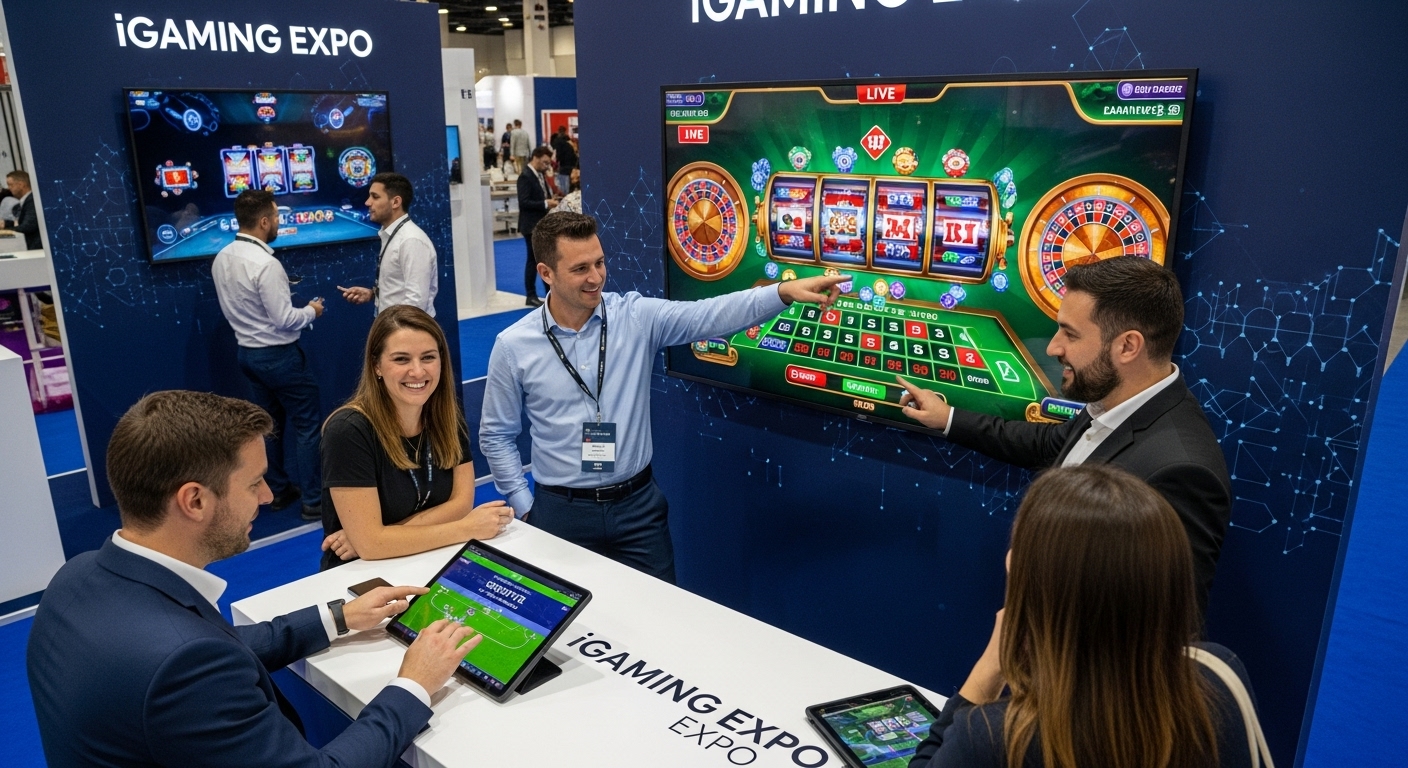

In recent years, iGaming has emerged as one of the fastest-growing industries in the global digital economy. The fusion of traditional gambling and modern technology has reshaped how people engage in betting and gaming activities. With the rise of smartphones, internet connectivity, and innovative gaming platforms, iGaming has expanded into a multi-billion-dollar industry, offering a variety of gaming experiences, from online casinos to sports betting and eSports. In this blog post, we will explore the evolution of iGaming, its current trends, challenges, and its promising future.
What is iGaming?
iGaming, short for internet gaming, is the term used to describe gambling activities that are conducted online. It includes various forms of online betting such as online casino games, poker, sports betting, and even skill-based gaming. Unlike traditional gambling that requires physical locations, iGaming offers a digital alternative where players can participate in gambling activities from the comfort of their own homes.
The definition of iGaming can encompass everything from virtual slot machines and card games to live dealer casino games, fantasy sports, and even online lottery. Over time, this expansive landscape has continued to grow, providing diverse and accessible opportunities for both players and operators alike.
The Evolution of iGaming: From Land-Based to Digital
The concept of gambling is not new. Ancient civilizations such as the Egyptians, Romans, and Chinese all practiced forms of betting and games of chance. However, the modern history of iGaming began in the late 20th century, as the internet revolutionized entertainment and technology. In the 1990s, the first online casinos and poker rooms appeared, offering games such as blackjack, roulette, and poker in virtual formats.
The first major milestone for iGaming came in 1994, when Antigua and Barbuda passed the Free Trade & Processing Act, allowing online gambling operators to be licensed in the Caribbean nation. Shortly thereafter, Microgaming, a software company based in the Isle of Man, launched the first true online casino, and the iGaming industry was born.
Over the years, iGaming has experienced incredible technological advancements. The introduction of mobile devices in the early 2000s expanded the industry’s reach to millions of new players. Today, iGaming is not just limited to online casinos, but has branched out to include sports betting, virtual gaming, and even interactive gaming experiences that engage players in new and exciting ways.
The Popularity of Online Casino Games
One of the primary segments of iGaming is online casino games. These virtual casinos provide players with an immersive gambling experience, offering popular games like slot machines, blackjack, poker, baccarat, and roulette.
What makes online casinos appealing is the convenience and accessibility they offer. Players no longer need to travel to land-based casinos to enjoy their favorite games. With just an internet connection and a computer or mobile device, they can access a wide variety of games 24/7. Online casinos also offer a broad selection of bonuses, free spins, and promotions, giving players more incentives to try their luck.
In addition, modern online casinos have improved their offerings by incorporating advanced graphics, live dealer technology, and interactive features that enhance the user experience. Live dealer games, in particular, allow players to interact with real dealers in real-time via video streaming, recreating the atmosphere of a physical casino from home.
The Rise of Sports Betting and eSports
Sports betting has long been a staple of traditional gambling, but the digital age has taken it to new heights. The accessibility of online sports betting platforms has made it easier for fans to place wagers on a variety of sporting events, from football and basketball to niche sports like tennis and cricket. In recent years, online sports betting has gained significant popularity, especially in regions where it has been legalized.
The introduction of mobile sports betting apps has further fueled the growth of this segment. Punters can now place bets on live events in real-time, track scores, and adjust their wagers all through their smartphones. The global market for sports betting is estimated to be worth billions, with major betting companies offering competitive odds, in-play betting options, and live streaming services.
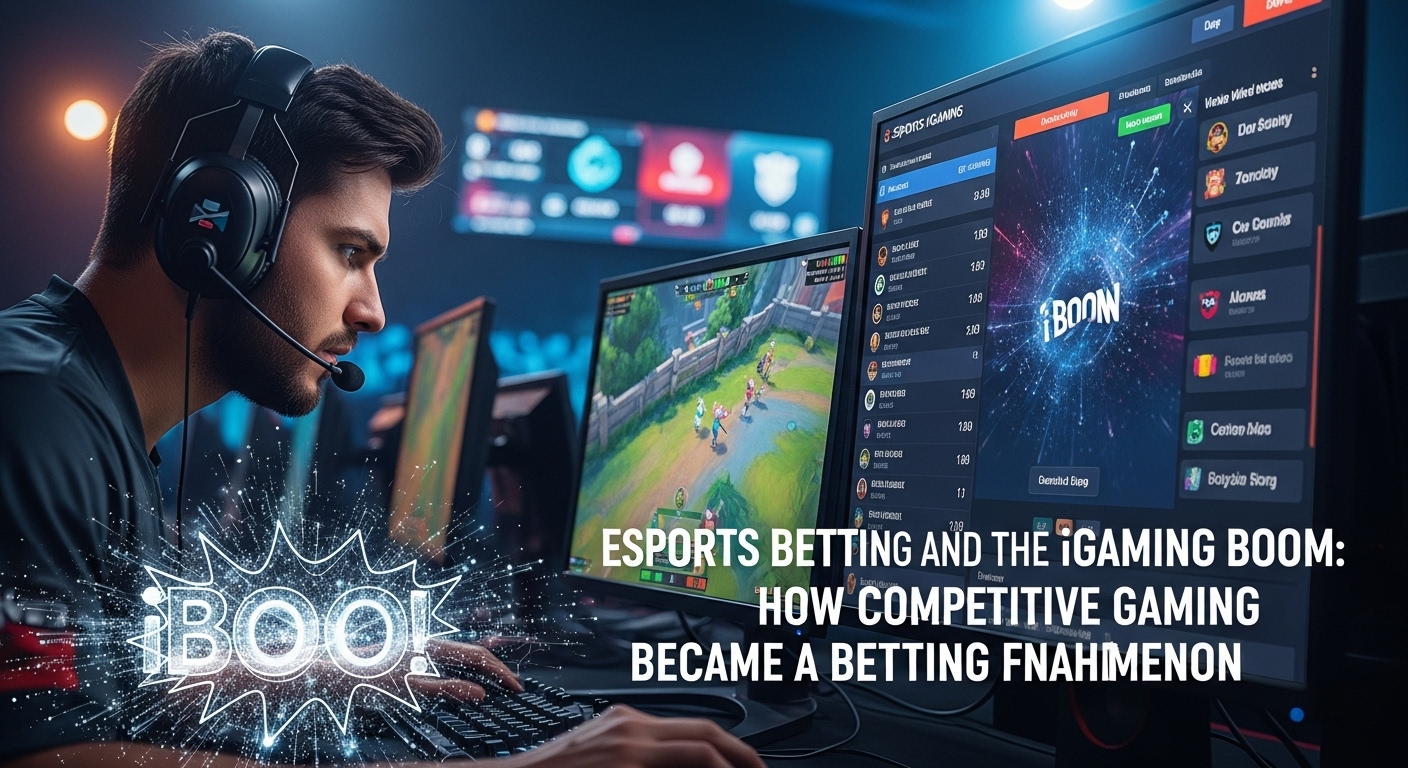
In addition to traditional sports, eSports has emerged as a major player in the iGaming world. Competitive video gaming, often referred to as eSports, has attracted millions of players and viewers worldwide. With the rise of online streaming platforms such as Twitch, eSports has become a global phenomenon, drawing massive crowds to virtual events and tournaments.
Betting on eSports has also grown exponentially, with players placing bets on matches in popular games like League of Legends, Dota 2, and Counter-Strike: Global Offensive. The growing interest in eSports has created a new market for betting companies, offering a unique form of entertainment that combines gaming, sports, and betting all in one.
The Role of Technology in Shaping iGaming
Technology has been the driving force behind the evolution of iGaming, and its impact cannot be overstated. The advent of the internet and mobile devices laid the foundation for the iGaming boom, but it is the continuous advancements in technology that have allowed the industry to thrive.
- Mobile Gaming: Mobile technology has revolutionized how people play online casino games and place sports bets. Mobile apps and responsive websites allow players to access iGaming platforms from anywhere in the world. This accessibility has significantly increased the number of people participating in online gambling.
- Virtual and Augmented Reality (VR/AR): As iGaming continues to evolve, VR and AR technologies are being integrated into the experience. Virtual reality casinos offer players the chance to immerse themselves in a 3D casino environment, complete with realistic graphics and interactive features. Augmented reality has also been used to enhance the sports betting experience, providing real-time statistics and visual overlays to aid in decision-making.
- Blockchain and Cryptocurrencies: Blockchain technology has found a significant application in iGaming. It provides transparency, security, and fairness to online gambling platforms. Many online casinos are now accepting cryptocurrencies like Bitcoin and Ethereum as payment methods. Blockchain-based gaming platforms also offer provably fair games, where players can verify the outcome of each bet using public ledgers.
- AI and Data Analytics: Artificial intelligence and data analytics play a crucial role in personalizing user experiences and enhancing gaming algorithms. AI is used to detect fraudulent activities, analyze player behavior, and provide tailored recommendations based on a player’s gaming history. Data analytics also help operators optimize their offerings and predict trends in player preferences.
The Regulatory Landscape of iGaming
As the iGaming industry continues to expand, regulation has become a critical issue. Different countries have different laws governing online gambling, and some regions have banned iGaming entirely. However, the global trend is moving toward the legalization and regulation of online gambling to ensure player safety, fair play, and tax revenue generation.
In countries like the United Kingdom, Malta, and Spain, iGaming is well-regulated, with licenses required for operators to offer services legally. Regulatory bodies such as the UK Gambling Commission and the Malta Gaming Authority set strict standards for fairness, responsible gambling, and consumer protection.
In contrast, some regions, such as the United States, have more fragmented regulatory frameworks, with some states legalizing sports betting and online casinos, while others have yet to pass any laws governing online gambling. The global push for standardized regulations continues to gain momentum as iGaming becomes more mainstream.
Challenges Facing the iGaming Industry
While the iGaming industry is booming, it also faces several challenges. One of the primary concerns is ensuring responsible gambling. The ease of access to online gambling platforms has led to an increase in problem gambling behavior. Many operators have implemented responsible gaming measures, such as self-exclusion options, time limits, and age verification checks to address this issue. However, more needs to be done to ensure that players are protected from addiction and financial harm.
Another challenge is dealing with the complexities of global regulations. With so many different laws and regulations in place across various jurisdictions, operators often face difficulty in ensuring compliance. Regulatory authorities are working to standardize rules and create a more unified global framework for online gambling, but the process is slow.
Finally, the ever-evolving technology landscape presents both opportunities and challenges. While innovations like AI, VR, and blockchain offer new ways to engage players, they also require significant investment and adaptation. Operators must continually innovate to stay ahead of the curve while ensuring the security and fairness of their platforms.
The Future of iGaming
The future of iGaming looks incredibly promising. As technology continues to advance, the possibilities for new gaming experiences are limitless. Virtual and augmented reality will likely play a larger role, offering players more immersive and interactive environments. The integration of AI and machine learning will make gaming platforms more intelligent and user-friendly, while blockchain technology could revolutionize how gambling transactions are conducted.
Moreover, the global trend of regulatory reform will likely lead to more regions legalizing online gambling, increasing the market size and attracting more players. As eSports continues to grow in popularity, the iGaming sector will likely see more investment in this area, offering exciting new opportunities for players and operators alike.
In conclusion, iGaming is not just a passing trend, but a dynamic and fast-growing industry that is reshaping the world of gambling. With technology as its backbone, the future of iGaming holds endless possibilities, from new gaming experiences to regulatory advancements. As the industry evolves, it will undoubtedly continue to offer exciting opportunities for both players and businesses alike.