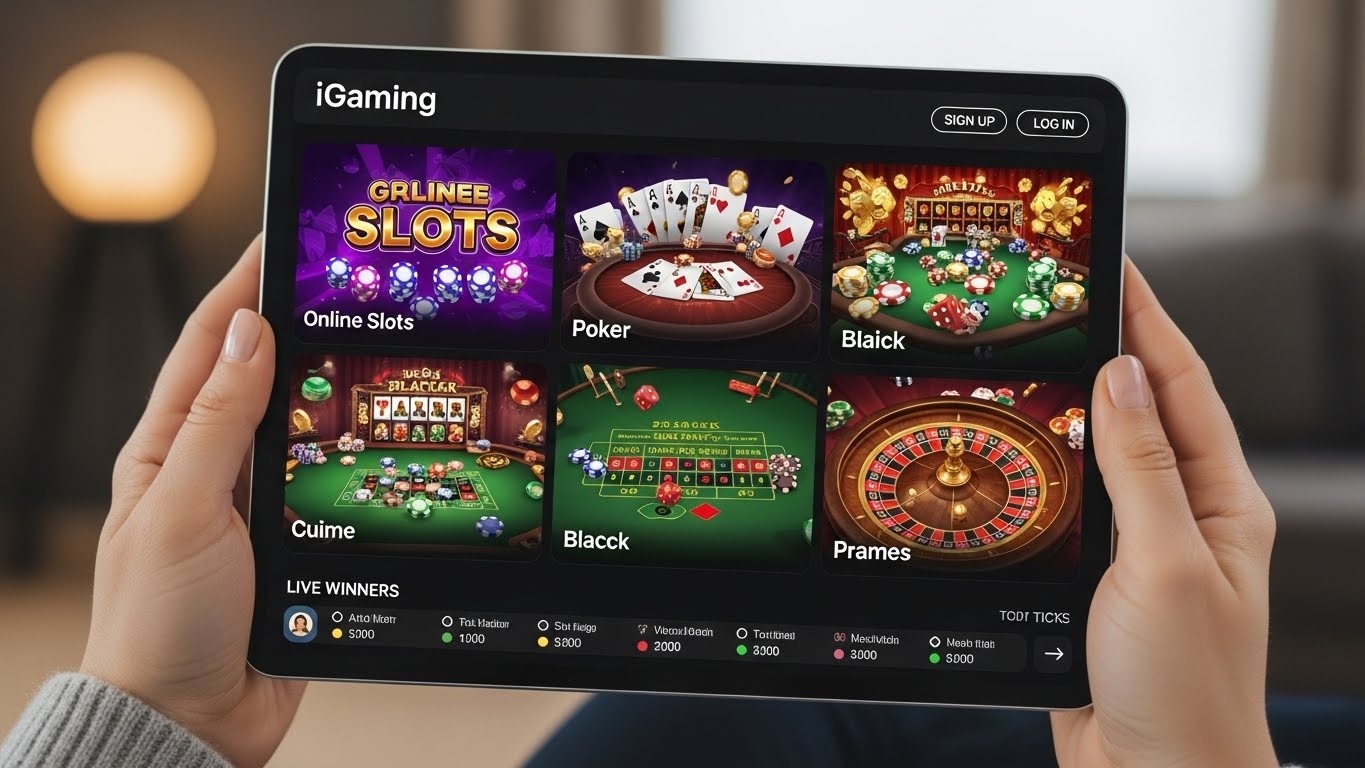

The world of entertainment has evolved tremendously over the past few decades. With the rise of technology, traditional forms of amusement, such as physical casinos and arcades, have been transformed into immersive online experiences. One of the most significant shifts in this transformation is the growth of iGaming—an umbrella term that covers online gaming and gambling. What began as a niche market has blossomed into a global phenomenon, offering a variety of gaming options for players around the world. But what exactly is iGaming, and why has it captured the attention of millions? In this blog post, we will explore the iGaming industry, its evolution, the types of games it offers, and how technology is shaping its future.
Understanding iGaming: The Basics
At its core, iGaming refers to any form of gambling or gaming that takes place over the internet. This includes online casino games, sports betting, poker, virtual sports, and even esports betting. Essentially, if it’s a form of gaming that involves real money or betting and can be accessed through the internet, it falls under the iGaming umbrella.
The growth of iGaming has been fueled by several factors, including advances in technology, changes in regulations, and a growing demand for convenient, accessible entertainment. Unlike traditional brick-and-mortar casinos or betting shops, iGaming allows players to enjoy their favorite games from the comfort of their homes, on their smartphones, or even on the go. This accessibility, coupled with the rise of live streaming technology, has played a key role in making iGaming so appealing to players worldwide.
The Evolution of iGaming
While online gambling dates back to the mid-1990s, the real explosion of iGaming came in the 2000s with the introduction of broadband internet, mobile technology, and more sophisticated gaming platforms. Early online casinos were simple and often looked like digital versions of physical slot machines or card tables. As the internet evolved, so did the games. Graphics improved, interfaces became more user-friendly, and developers began creating an experience that felt more like a real casino.
Fast-forward to today, and the iGaming market is worth billions of dollars globally. The rise of mobile gaming has further expanded the industry, as players can now engage with iGaming platforms at any time and from anywhere. Whether you’re playing a quick round of online blackjack on your smartphone or placing a bet on the latest football match, the convenience of iGaming has made it an attractive option for both casual gamers and serious bettors alike.
The rise of live dealer games has been another significant development. These games use live streaming technology to connect players with real-life dealers, providing a more authentic and immersive experience. Whether you’re playing blackjack, roulette, or baccarat, the interaction with a real person, combined with real-time gameplay, has brought the excitement of physical casinos to the online world.
The Types of Games in the iGaming Industry
iGaming encompasses a wide variety of games and betting options. Here are the most popular categories:
Online Casino Games
Online casinos are the bread and butter of iGaming. These virtual casinos offer a range of games typically found in physical casinos, including table games like blackjack, roulette, baccarat, and poker, as well as a wide array of slots. Online casinos often provide multiple variants of classic games to cater to different player preferences.
Slot games, in particular, have evolved into some of the most exciting forms of entertainment in the iGaming industry. Themed slots, progressive jackpots, and bonus rounds have made online slots far more engaging than their traditional counterparts. These games offer massive payouts, with some jackpots reaching into the millions, attracting both novice and seasoned gamblers.
Sports Betting
Sports betting has long been a popular form of gambling, but the rise of online sportsbooks has made it even more accessible. From football and basketball to horse racing and esports, iGaming platforms now offer a wide variety of sports for bettors to wager on.
In-play betting, which allows players to place bets during a live event, has become increasingly popular. This real-time betting gives sports fans a dynamic and engaging way to participate in their favorite events. Additionally, with the integration of live streaming, bettors can watch the action unfold while making informed decisions about their bets.
Poker
Poker has a rich history in gambling, and online poker rooms have become a staple of the iGaming world. Platforms like PokerStars and 888poker allow players to compete in cash games, tournaments, and special events with participants from around the world. Online poker offers a range of stakes and formats, from casual home games to high-stakes professional tournaments.
Many online poker rooms have also introduced “live poker” tables, where players can compete in real-time against human dealers, enhancing the authenticity of the experience. Poker, with its mix of skill and chance, remains one of the most enduring forms of online gambling.
Esports Betting
As competitive video gaming continues to surge in popularity, esports betting has carved out a significant niche within the iGaming industry. Players can place bets on major esports tournaments, such as League of Legends, Counter-Strike: Global Offensive, and Dota 2. Esports betting combines traditional sports betting with the growing world of gaming, offering a unique and exciting betting experience for those familiar with the esports scene.
The expansion of esports has also led to a rise in fantasy esports leagues, where players can create teams and compete against others based on the performance of real-life esports athletes. This combination of gaming and betting has created a new frontier in the iGaming market.
The Role of Technology in iGaming
Technology has been a driving force behind the rapid growth of the iGaming industry. Here are some key technological advancements that have shaped iGaming:
Mobile Gaming
One of the most significant developments in the iGaming world has been the shift to mobile. With smartphones now capable of supporting high-quality games and secure payment systems, players can engage in iGaming activities anytime and anywhere. Mobile gaming apps have allowed iGaming platforms to reach a broader audience, from casual gamers to serious bettors, offering a seamless experience across devices.
Live Streaming and Virtual Reality
Live streaming technology has brought an authentic casino experience into the homes of millions of players. Online casinos and sportsbooks now offer live dealer games where real dealers interact with players in real-time. The introduction of virtual reality (VR) gaming has further enhanced this experience, allowing players to immerse themselves in virtual casino environments where they can interact with other players and dealers.
Virtual reality is still in its infancy, but it holds tremendous potential for the future of iGaming. Players may one day be able to walk through a virtual casino, sit at a poker table with friends, or place bets on live sporting events in a fully immersive 3D world.
Blockchain and Cryptocurrency
Blockchain technology has made its way into the iGaming industry, offering players a more secure and transparent way to engage with online platforms. Cryptocurrencies like Bitcoin and Ethereum are becoming increasingly popular as payment options for iGaming platforms. Blockchain allows for faster, more secure transactions, as well as greater privacy for users. It also reduces the risk of fraud and ensures fair play in games.
The Legal Landscape of iGaming
While iGaming is a rapidly growing industry, its legal status varies significantly from one country to another. Some jurisdictions, such as the United Kingdom and Malta, have well-established regulatory frameworks that govern iGaming operations. These regulations ensure that operators provide fair games, protect players’ data, and promote responsible gambling.
However, other countries have stricter regulations, or even outright bans, on online gambling. As the industry grows, there is increasing pressure for governments to regulate iGaming in a way that balances consumer protection with the desire for economic growth. Many countries are beginning to embrace the benefits of legalizing and regulating iGaming, especially with the potential for job creation and tax revenue.
The Future of iGaming
The future of iGaming looks bright, with technological advancements and changing regulations paving the way for continued growth. Virtual reality, augmented reality, and the integration of artificial intelligence will likely play a major role in shaping the next generation of online gaming. We may see more personalized experiences, better AI-driven recommendations, and increasingly immersive environments where players can interact with each other and the game world in new ways.
As iGaming continues to expand, it is crucial that operators prioritize responsible gambling practices and ensure player safety. Innovations in security, payment systems, and regulatory frameworks will be essential to maintaining trust and ensuring that iGaming remains a safe and enjoyable experience for all players.
Conclusion: The Ongoing Transformation of Entertainment
iGaming has transformed the way we think about gaming and gambling. With its vast array of games, accessibility, and technological advancements, iGaming has attracted millions of players around the world. The industry is continually evolving, with new innovations on the horizon that promise to enhance the experience even further. As technology continues to push the boundaries of what is possible, the future of iGaming is one that will undoubtedly be filled with exciting new opportunities for both players and operators alike.