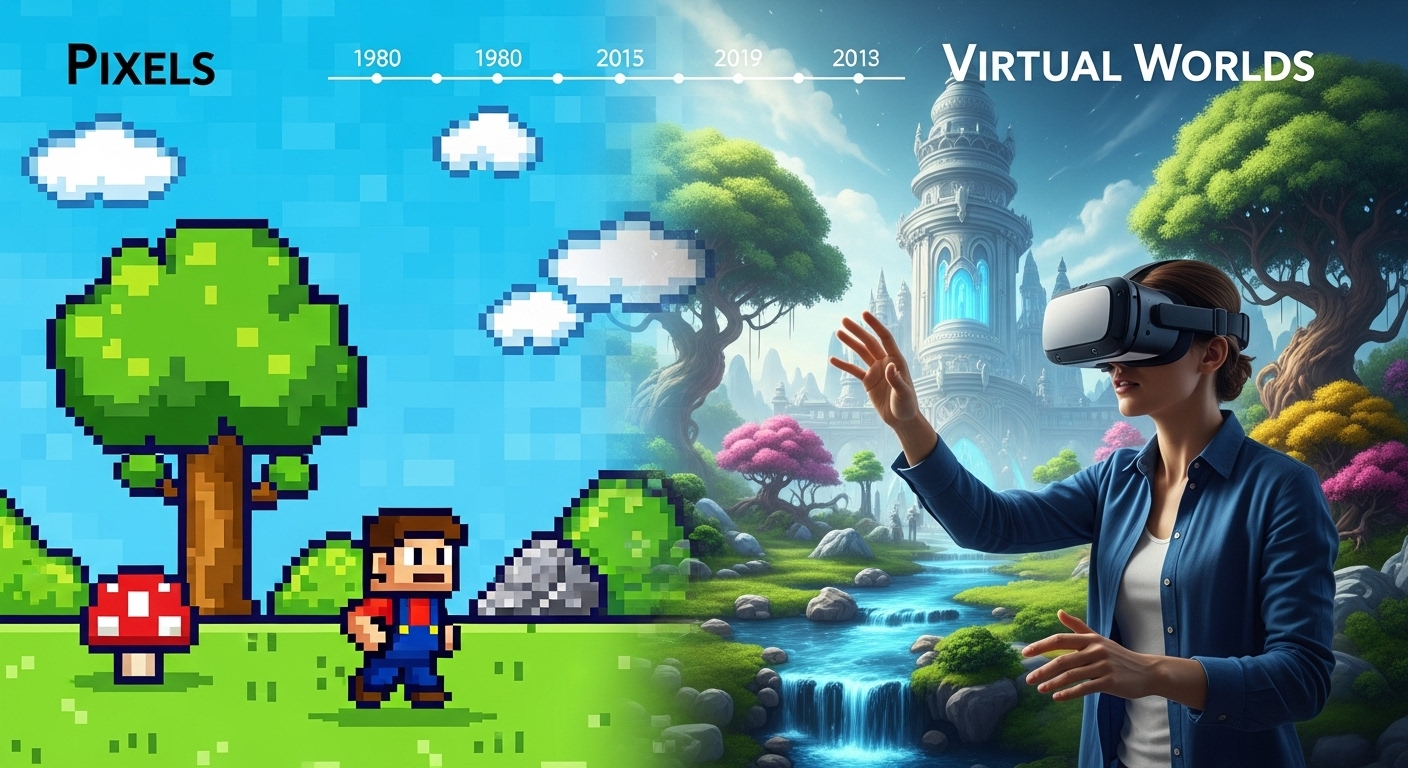

The world of gaming has undergone a dramatic transformation over the past few decades. From arcade machines and early console games to immersive virtual worlds and competitive esports, the landscape has shifted in ways that were once unimaginable. One of the most revolutionary developments in the gaming industry is the rise of iGaming – a broad term that encompasses online gaming, gambling, and betting. As the digital world continues to evolve, so does the nature of gaming itself, creating new opportunities, challenges, and experiences for players worldwide. This blog post will explore the rise of iGaming, its impact on the global gaming industry, and what the future holds for digital entertainment.
What is iGaming?
iGaming, short for internet gaming, refers to any form of gaming that involves real money stakes and takes place on the internet. This includes everything from online casinos and poker rooms to sports betting and virtual gaming platforms. The defining characteristic of iGaming is that it allows players to engage in traditional gambling activities – like playing slot machines, poker, or betting on sports – via digital platforms, rather than at physical locations like casinos or betting shops.
iGaming encompasses a broad range of activities, including:
- Online Casinos: Digital versions of traditional casino games such as slots, blackjack, roulette, and baccarat.
- Sports Betting: Wagering on the outcome of sporting events, from football matches to horse racing.
- Poker: Virtual poker rooms where players can engage in various types of poker games against others online.
- Fantasy Sports: Daily or seasonal contests where players draft virtual teams and compete for cash prizes based on real-world sports performances.
- Esports Betting: Wagering on the outcome of professional video game tournaments.
The key to iGaming’s success is the ability to offer a wide variety of games that can be accessed conveniently from any location, at any time, through digital devices such as smartphones, tablets, and desktop computers. This shift to digital platforms has created a new ecosystem where players can enjoy their favorite games without ever needing to leave their homes.
The Rise of iGaming: A Historical Perspective
The roots of iGaming can be traced back to the mid-1990s, when the internet was becoming more widely accessible to the public. In 1994, the first online casino was launched in Antigua and Barbuda, where online gambling was legalized. This was a pivotal moment in the history of iGaming, as it marked the beginning of a new era in the gambling industry. Initially, online casinos offered a limited selection of games, but the growing popularity of the internet and advances in technology led to a rapid expansion of iGaming options.
In the early 2000s, online gambling exploded in popularity. The rise of broadband internet made it easier for players to access real-time gaming experiences, and the development of secure payment systems gave players the confidence to gamble online. By the mid-2000s, iGaming had become a multi-billion-dollar industry, with millions of players from around the world participating in various forms of online gaming.
The legal landscape for iGaming has been complex, with different countries and regions implementing their own regulations around online gambling. In some places, such as the United Kingdom, online gambling was quickly legalized and regulated, while other regions took a more cautious approach or banned it entirely. In recent years, however, many countries have taken steps to legalize and regulate iGaming in order to generate tax revenue and provide consumer protection for players.
The Impact of Technology on iGaming
The growth of iGaming can largely be attributed to advancements in technology. From the early days of dial-up internet to the current era of high-speed broadband and mobile connectivity, technology has played a crucial role in shaping the iGaming landscape.
1. Mobile Gaming
Perhaps one of the most significant changes in the iGaming industry has been the widespread adoption of mobile gaming. Smartphones and tablets have made it possible for players to access their favorite games on the go, leading to an explosion of mobile casinos, sports betting apps, and poker rooms. This shift to mobile gaming has made iGaming more accessible than ever before, with players able to gamble anytime, anywhere.
2. Live Dealer Games
Another key technological development has been the introduction of live dealer games. These games use streaming technology to allow players to participate in real-time casino experiences with live dealers. Games like blackjack, roulette, and baccarat can now be played via live video feed, creating a more immersive and authentic casino experience. The rise of live dealer games has bridged the gap between online and land-based casinos, giving players the feeling of being in a physical casino without leaving their homes.
3. Virtual Reality (VR) and Augmented Reality (AR)
Virtual and augmented reality are set to revolutionize the iGaming industry in the near future. VR casinos, where players can immerse themselves in 3D environments and interact with the game in a fully immersive way, are still in their infancy, but they hold enormous potential. AR, on the other hand, could allow for the overlay of digital elements onto real-world environments, enhancing the overall gaming experience. These technologies are poised to create a more interactive and engaging environment for iGaming enthusiasts.
4. Blockchain and Cryptocurrency
The integration of blockchain technology and cryptocurrencies like Bitcoin has also made a significant impact on iGaming. Blockchain’s decentralized nature ensures transparency and security, making it an attractive option for both operators and players. Cryptocurrencies, meanwhile, provide players with faster, more secure, and anonymous ways to deposit and withdraw funds, further enhancing the appeal of online gambling.
The Appeal of iGaming: Why Players Love It
There are several reasons why iGaming has become so popular in recent years, and why its appeal continues to grow. Some of the main factors include:
1. Convenience
The convenience of being able to access a wide range of games from the comfort of one’s home is a major draw for many players. Whether it’s playing slots, betting on a football match, or engaging in a game of online poker, iGaming eliminates the need to travel to a physical casino or betting shop, saving time and effort.
2. Variety of Games
iGaming platforms offer a much broader selection of games compared to traditional casinos. Players can enjoy everything from classic casino games to new, innovative games created specifically for the digital world. The sheer variety ensures that there’s something for everyone, whether you prefer high-stakes poker or casual slot games.
3. Bonus and Promotions
Online casinos and betting sites often offer attractive bonuses and promotions to attract new players and retain existing ones. These bonuses can come in the form of free spins, no-deposit bonuses, or welcome packages. Such incentives add an extra layer of excitement and value to the iGaming experience.
4. Global Accessibility
With online platforms available to players from around the world, iGaming opens up opportunities to engage in gambling activities that may not be available locally. Whether you live in a country with strict gambling laws or simply don’t have a casino nearby, iGaming brings the casino directly to you.
The Future of iGaming: What Lies Ahead?
The future of iGaming looks incredibly promising, with continued advancements in technology set to shape the industry in profound ways. Here are some trends and developments that are likely to define the future of online gaming:
1. AI and Personalization
Artificial intelligence (AI) is likely to play a bigger role in the future of iGaming. AI algorithms can be used to personalize the gaming experience by offering tailored game recommendations based on player preferences, behaviors, and past activity. Additionally, AI can help detect patterns of problem gambling and promote responsible gaming practices.
2. Increased Regulation and Consumer Protection
As the iGaming industry continues to grow, governments and regulatory bodies will likely implement stricter rules and regulations to ensure fair play, protect consumers, and combat issues like money laundering and fraud. Increased regulation will help create a safer and more secure environment for players, which in turn will boost trust in the industry.
3. Integration of More Payment Methods
As digital currencies and alternative payment methods become more widely accepted, players will have more options for funding their accounts and withdrawing their winnings. The ability to use digital wallets, cryptocurrency, and other payment innovations will make iGaming even more convenient and accessible.
4. Gamification and Social Features
Gamification is already a key feature of many iGaming platforms, but it is expected to become even more prominent in the future. Players can expect more interactive experiences, including tournaments, achievements, and social features like chat rooms, multiplayer games, and live streams. These features will enhance the sense of community and make iGaming even more engaging.
Conclusion
The world of iGaming has transformed the way people experience gambling and online entertainment. With its wide array of options, ease of access, and constant innovations, iGaming has become a multi-billion-dollar industry that shows no signs of slowing down. As technology continues to evolve, the future of online gaming promises to be even more immersive, personalized, and secure.
While there are certainly challenges ahead – including the need for increased regulation and the potential for addiction – iGaming has the potential to revolutionize the way we think about digital entertainment. Whether you’re an experienced player or someone new to the world of online gaming, there’s no denying the excitement and possibilities that come with this ever-evolving digital frontier.