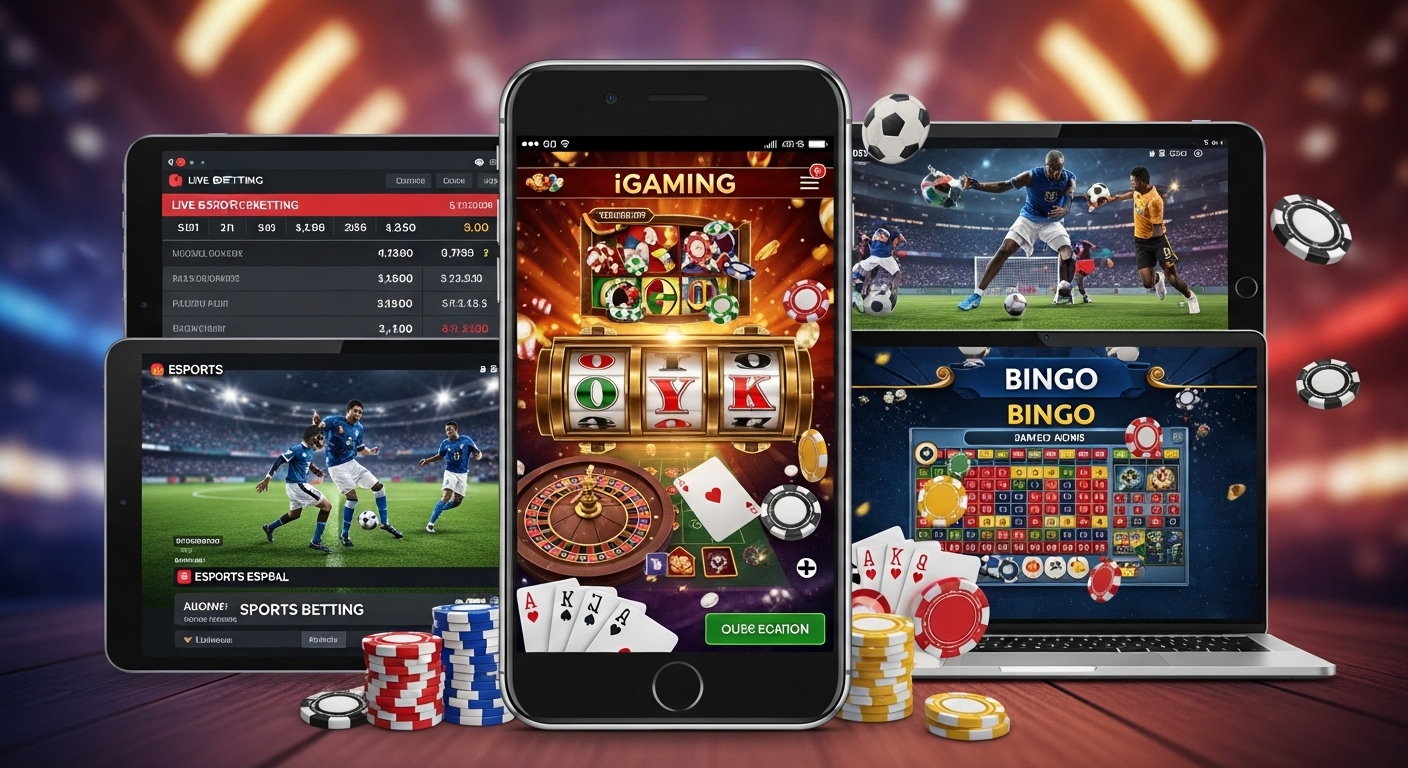

In recent years, the online gambling industry, also known as iGaming, has exploded into a multi-billion-dollar global market. iGaming has transitioned from a niche hobby to a mainstream form of entertainment, with millions of players flocking to online platforms to try their luck at various games. This surge in popularity has been driven by advancements in technology, more favorable regulatory frameworks, and an increased cultural acceptance of online gambling. Today, the iGaming sector covers everything from virtual sports and online casinos to eSports betting and fantasy sports. In this blog post, we will explore the evolution of iGaming, its current trends, and where the industry is headed in the future.
What is iGaming?
The term iGaming, short for interactive gaming, refers to all types of online gambling activities that take place via the internet. It includes a wide range of games and betting opportunities, from online casinos (including slots, poker, and table games), to sports betting, bingo, and even newer types of gambling such as eSports betting and virtual sports. iGaming has become a global industry, accessible from anywhere at any time, thanks to technological advancements and widespread internet connectivity.
Unlike traditional land-based casinos or sportsbooks, iGaming allows players to gamble remotely, from the comfort of their own homes or on the go, via mobile devices. It has reshaped the gambling experience, making it more accessible, convenient, and varied than ever before. With an increasing number of platforms offering a wide range of games, iGaming has become a global phenomenon that attracts millions of players every day.
The Evolution of iGaming: A Brief History
The history of iGaming dates back to the mid-1990s when the first online casinos began appearing on the internet. The concept of being able to play traditional casino games such as blackjack and roulette online caught the attention of many gamblers, but the technology at the time was rudimentary. Early internet speeds were slow, graphics were basic, and payment methods were limited.
However, the industry’s potential was clear, and online casinos began to emerge, offering players the chance to play real-money games from home. One of the first major milestones in the evolution of iGaming came in 1994 when Antigua and Barbuda passed the Free Trade and Processing Act, making it possible for offshore casinos to operate legally in the country.
The first fully functional online casino, InterCasino, launched in 1996, offering a small selection of games. While the early days of iGaming were marked by a lack of regulation and limited game offerings, the internet’s rapid growth and improvements in technology quickly changed that. By the early 2000s, several companies had entered the market, creating a competitive environment that spurred innovation and growth.
In the United States, the introduction of the Unlawful Internet Gambling Enforcement Act (UIGEA) in 2006 temporarily slowed the growth of online gambling, particularly in the U.S. market. However, the global iGaming landscape continued to thrive, particularly in European and Asian markets, where many countries had more lenient regulations surrounding online gambling.
In recent years, the legalization of online gambling in some U.S. states (such as New Jersey, Pennsylvania, and Michigan) has sparked a resurgence of interest in the U.S. iGaming market. This, along with the rapid global growth of mobile gaming, live dealer games, and the rise of new gambling formats such as eSports betting, has resulted in a dynamic, ever-evolving industry.
The Key Components of iGaming
iGaming covers a wide array of gambling activities, each offering a different kind of experience. Below, we’ll look at some of the most popular segments within the industry.
Online Casino Games
One of the most significant components of iGaming is online casinos. These digital platforms offer players the opportunity to play a wide variety of casino games, including slots, blackjack, roulette, baccarat, and poker. Online casinos are often modeled after traditional brick-and-mortar establishments but with added benefits such as a broader selection of games, the ability to play from home, and 24/7 access.
Online slots are the most popular type of game, with hundreds of different themes and features. Players can enjoy classic fruit machines or opt for themed slots based on movies, TV shows, and video games. In addition to traditional casino games, many online casinos also feature innovative games such as live dealer experiences and virtual sports.
Sports Betting
Sports betting has long been a staple of the gambling world, but the rise of iGaming has allowed it to expand rapidly. Online sportsbooks now offer bettors the chance to wager on a wide range of sports, including football, basketball, tennis, and even niche events like esports and fantasy sports. Sports betting platforms also allow players to bet on live events in real-time, enhancing the excitement and interaction of the experience.
With the legalization of sports betting in multiple U.S. states in recent years, the sports betting segment of iGaming has seen substantial growth. Global giants like DraftKings and FanDuel have revolutionized the industry by offering online betting options and integrating fantasy sports into their platforms.
eSports Betting
One of the fastest-growing segments within iGaming is eSports betting. eSports refers to competitive video gaming, where players or teams compete in organized tournaments for popular games like League of Legends, Dota 2, and Counter-Strike: Global Offensive. The rise of eSports, coupled with the growing interest in streaming platforms like Twitch, has turned eSports into a global phenomenon.
As eSports tournaments attract millions of viewers worldwide, eSports betting has become an increasingly important part of the iGaming market. Fans can now place bets on individual matches, players, and entire tournaments, much like traditional sports betting. The market for eSports betting is expected to continue growing rapidly, driven by the increasing popularity of competitive gaming and the growing number of platforms that cater to eSports bettors.
Virtual Sports
Another exciting innovation within iGaming is virtual sports. Virtual sports are computer-generated simulations of real-life sporting events, and they offer players the chance to place bets on virtual outcomes. Unlike traditional sports betting, virtual sports can be played around the clock, with outcomes determined by algorithms and random number generators.
Popular virtual sports include soccer, horse racing, and greyhound racing. These games offer the thrill of traditional sports betting but with the added benefit of always being available, as they don’t rely on actual sporting events to take place. Virtual sports are becoming a growing trend in the iGaming industry, especially for players in regions where real-world sports betting is limited or restricted.
Key Trends Shaping the Future of iGaming
As technology continues to advance, so too does the iGaming industry. Here are some key trends shaping the future of online gambling:
Mobile Gaming
One of the most significant trends in iGaming is the rise of mobile gaming. With the majority of people now owning smartphones, mobile gaming has become the primary way that people access iGaming platforms. Online casinos, sportsbooks, and other gambling sites have all adapted to this shift by developing mobile-optimized websites and apps, allowing players to gamble on the go.
Mobile gaming has made it easier than ever to participate in iGaming, with users able to access their favorite games or place bets from virtually anywhere. This trend is likely to continue, as mobile technology improves and more players migrate to mobile devices for their gambling experiences.
Live Dealer Games
Another growing trend is the rise of live dealer games. Live dealer games offer players the chance to interact with real-life dealers through video streams, creating an immersive, authentic casino experience. Games like live blackjack, live roulette, and live baccarat allow players to enjoy the atmosphere of a land-based casino without leaving home.
The popularity of live dealer games has skyrocketed in recent years, thanks to their engaging nature and the ability to replicate the social aspect of gambling. Live dealer platforms use professional dealers who are streamed in real-time, allowing for a more dynamic and interactive gaming experience.
Cryptocurrencies and Blockchain Technology
The introduction of cryptocurrencies such as Bitcoin and Ethereum into the iGaming world has introduced a new level of security, privacy, and convenience for online gamblers. Cryptocurrencies allow for faster, more anonymous transactions, which are appealing to players who value privacy and security.
Additionally, blockchain technology is helping ensure transparency and fairness within the industry. The decentralized nature of blockchain means that players can trust that games are fair and that transactions are secure. Cryptocurrencies and blockchain are expected to become an even more integral part of iGaming in the coming years.
The Regulatory Landscape of iGaming
As iGaming continues to grow, regulatory bodies around the world are beginning to implement stricter laws and guidelines to protect consumers, ensure fair play, and prevent fraud and money laundering. In many countries, online gambling is now heavily regulated, with operators required to obtain licenses from government authorities to operate legally.
For example, the UK Gambling Commission and the Malta Gaming Authority are two of the most well-known regulators in the iGaming industry, ensuring that operators adhere to strict standards of fairness, security, and responsible gambling.
In the United States, the regulation of iGaming is evolving at the state level. While some states have already legalized online gambling and sports betting, others are still in the process of considering regulation. The landscape is likely to continue shifting as more states explore the potential benefits of legalizing online gambling.
Conclusion
The iGaming industry has come a long way since its humble beginnings in the 1990s. Today, it is a thriving global market that offers a diverse array of gaming options for players of all interests and skill levels. With mobile gaming, live dealer experiences, eSports betting, and cryptocurrencies shaping the industry, iGaming is poised to continue its rapid growth.
As technology advances and more regulatory frameworks are established, iGaming will become even more immersive, accessible, and secure. Whether you’re a casual player or a serious bettor, the world of iGaming has something to offer—and it’s only going to get more exciting in the years to come.