Introduction
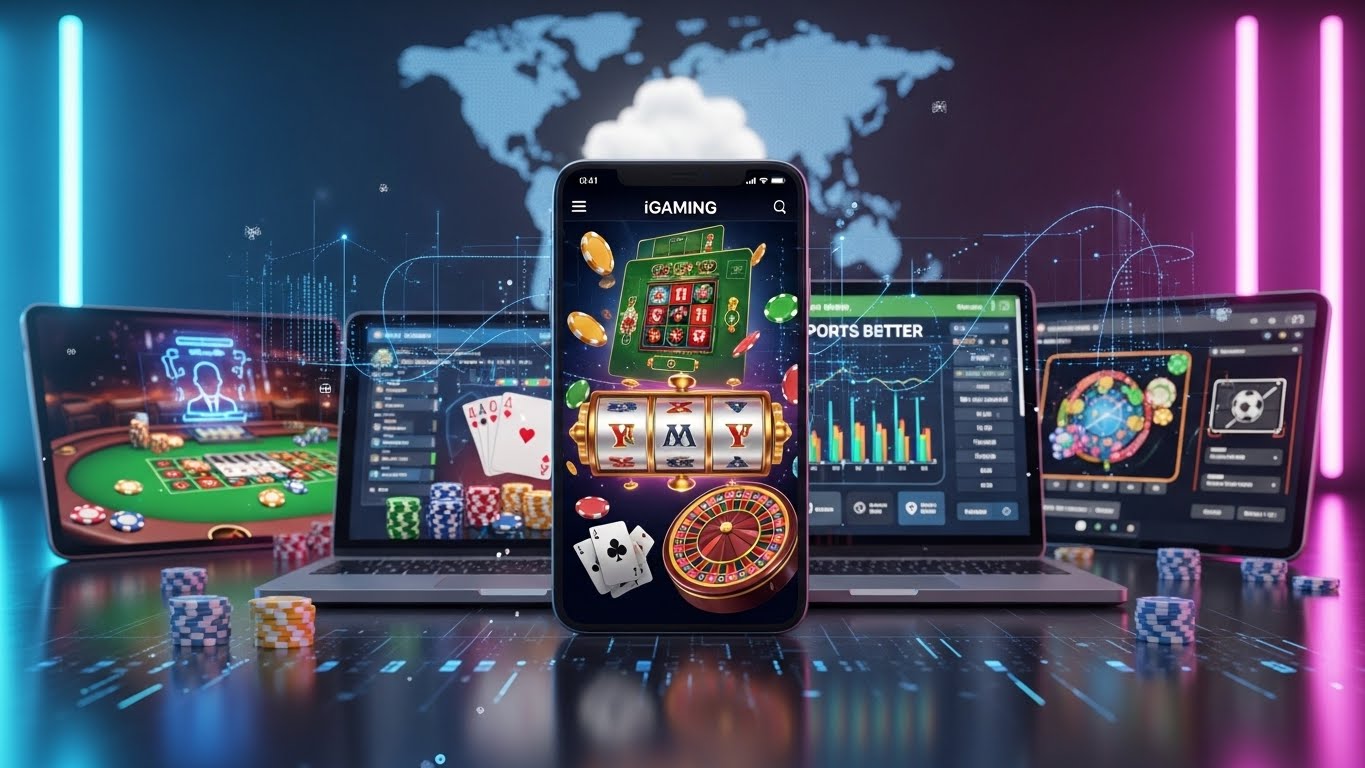
The world of entertainment is shifting faster than ever, driven by technology, creativity, and global connectivity. Among the fastest-growing corners of this digital landscape is iGaming, an umbrella term covering online casinos, sports betting, live dealer platforms, skill-based games, and so much more. What was once a niche hobby has now evolved into a global industry attracting millions of players every day. iGaming has reshaped the way people think about leisure, competition, and even digital economies. Its rise reflects broader trends in modern life, including the hunger for instant access, personalized experiences, and immersive online environments.
This blog explores why iGaming has become such a dominant force, what innovations are shaping its future, and how it continues to influence both players and the technology sector at large.
The Evolution of iGaming
To understand the present, it helps to look back at how far iGaming has come. The earliest online betting platforms emerged in the mid-1990s, offering extremely simple interfaces and basic games. At that time, internet speeds and computer graphics were limited, meaning most experiences felt slow and rudimentary. Yet even then, the concept fascinated people. The idea of playing casino-style games or placing sports bets without stepping outside the home was revolutionary.
As technology progressed, so did the industry. The introduction of broadband internet opened the door to faster gameplay, richer graphics, and real-time interactions. Developers began experimenting with new genres and introducing features that mirrored the thrill of physical casinos. The arrival of smartphones was arguably the biggest turning point. Suddenly, players could enjoy gaming anywhere, anytime. What used to require a trip to a casino or access to a desktop computer now fit neatly into the palm of one’s hand.
Today, iGaming platforms offer stunning visual design, elaborate bonus systems, engaging narratives, and highly interactive gameplay features. At the same time, the technology behind these experiences has evolved to become more secure and more flexible than ever before.
The Technology Powering Modern iGaming
Behind every digital spin, virtual card shuffle, or live-streamed sports bet is a sophisticated network of technologies working together to ensure a smooth, fair, and engaging experience. Modern iGaming systems rely on several innovations to keep players connected and confident.
One of the most important technologies is random number generation. This system ensures that every outcome in games such as slots or roulette is completely unpredictable. It creates fairness and trust, which are critical for any digital gaming experience.
Another driving force is cloud technology. Instead of storing data locally, platforms increasingly use cloud servers to manage user accounts, game data, payments, and more. This allows for greater scalability, meaning thousands of players can access a platform simultaneously without lag.
Perhaps the most exciting advancement is the widespread use of live dealer technology. Cameras, high-speed streaming, and interactive chat tools allow players to experience real-time casino gameplay with human hosts. This bridges the gap between physical and digital gaming in a way that feels incredibly authentic.
Artificial intelligence also plays a growing role. Whether used to personalize game recommendations, enhance customer service through chat support, or protect users from fraudulent behavior, AI is helping platforms become smarter and more responsive.
The Rise of Mobile Gaming
If there is one trend that defines the last decade of iGaming, it is the explosion of mobile play. Smartphones have become powerful gaming devices, offering smooth animations, intuitive interfaces, and fast internet connectivity. Many players even prefer mobile platforms over desktop versions because of convenience.
Developers now design games specifically for mobile screens, ensuring controls are easy to manage and graphics remain crisp. Gesture-based interactions and modern touchscreens add a new layer of engagement. Mobile-focused bonuses, exclusive apps, and push notifications further enhance the experience, driving continuous growth.
The shift to mobile has expanded the player base dramatically. Instead of relying on dedicated gaming time at home, people can play during small breaks, while commuting, or whenever they feel inspired. This flexibility has turned casual players into regular participants and helped the industry reach markets previously untouched by traditional gaming.
The Social Side of iGaming
Despite being played on screens, iGaming is far more social than many people realize. Platforms increasingly incorporate features that encourage interaction, conversation, and friendly competition. Live dealer rooms often include chat windows where players can talk with hosts and fellow participants. Multiplayer skill games foster communities built around shared interest and strategy.
Leaderboards, tournaments, and social challenges add another layer of engagement. Many players enjoy the sense of accomplishment that comes from ranking among the top participants in a global competition. Others find motivation in comparing their progress with friends.
This growing social dimension highlights a key truth about iGaming. It is not just about playing games. It is about connecting with others, celebrating victories, and sharing the thrill of unpredictable outcomes.
Security and Player Protection
As iGaming continues to grow, so does the importance of strong security. Trust is an essential part of any digital entertainment experience, especially when real money is involved. Platforms invest heavily in encryption technology, secure servers, and advanced verification systems to ensure user information stays protected.
Authentication tools help prevent unauthorized access, while automated fraud detection algorithms scan for suspicious patterns. Independent audits verify game fairness, reassuring players that outcomes are neither manipulated nor predictable.
Responsible gaming tools are also becoming mainstream. Players can set deposit limits, establish time reminders, or even activate self-exclusion features if they need a break. These tools reflect a broader commitment across the industry to foster a positive and healthy player experience.
The Influence of Virtual and Augmented Reality
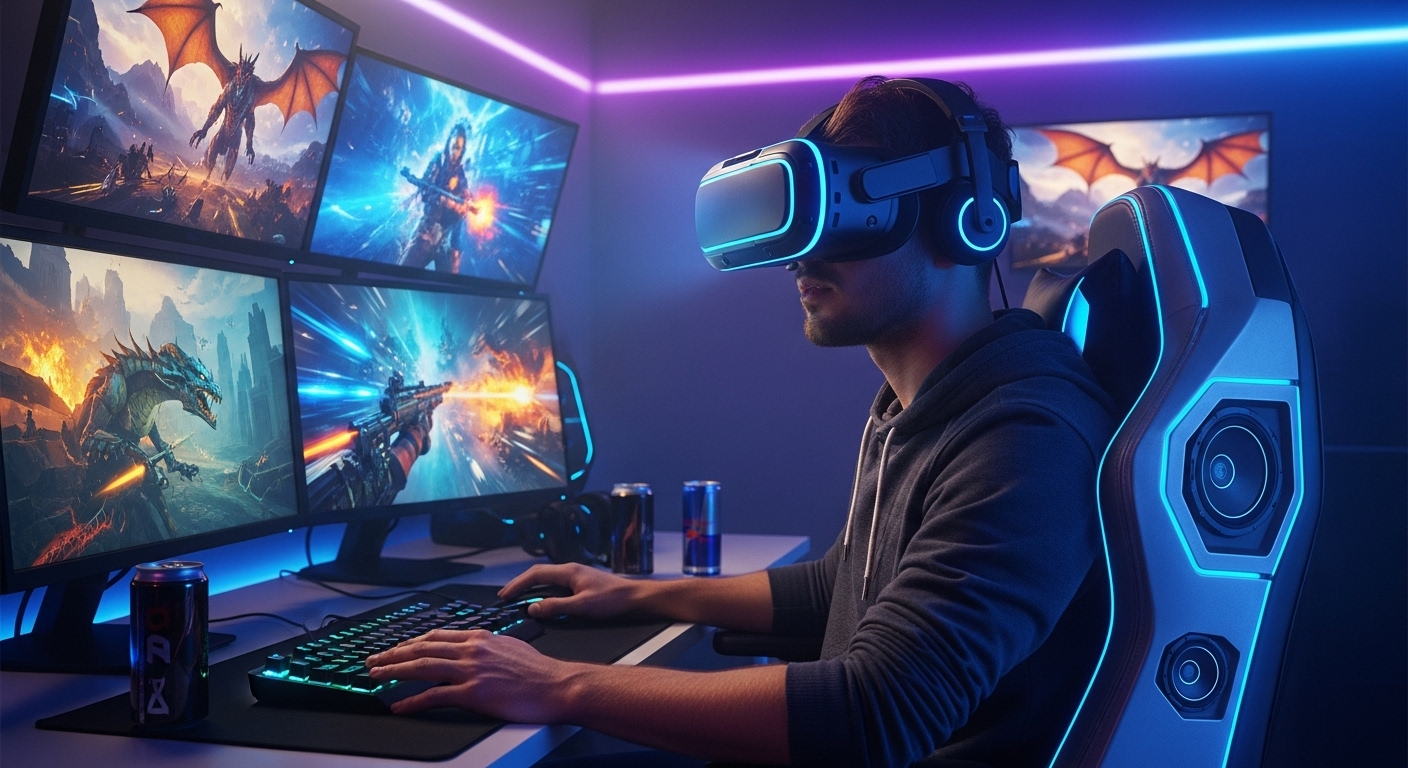
Virtual reality and augmented reality technologies are beginning to reshape iGaming in exciting new ways. While still emerging, these tools open the door to incredibly immersive experiences. Imagine stepping into a virtual casino, walking between digital tables, interacting with other players, and hearing realistic sound effects all around you. VR headsets make this possible, offering a completely new way to engage with digital play.
Augmented reality adds another unique layer by blending game elements with the real world. Players can view virtual cards or gaming interfaces projected into their physical environment. As these technologies become more accessible and more affordable, they are expected to unlock entirely new genres and styles of play.
Economic Impact and Global Reach
One of the most fascinating aspects of iGaming is its sheer scale. The industry has grown into a multibillion-dollar global powerhouse, generating economic activity across software development, customer service, marketing, cybersecurity, and more. Countries with well-established regulatory frameworks benefit from job creation, tax revenue, and technological investment.
The global reach of iGaming means players from different nations can connect and enjoy experiences together. It also encourages platforms to adapt to cultural preferences, offering customized themes, local tournaments, and region-specific content. This global diversity contributes to the richness and continuous evolution of the industry.
What the Future Holds
As digital entertainment continues to expand, the future of iGaming looks extremely promising. Several trends are poised to shape its next chapter. One is the ongoing integration of artificial intelligence. Platforms may soon offer fully personalized gaming worlds that adjust to each player’s style, interests, and skill level.
Another future trend is the blending of gaming with other digital ecosystems. Loyalty programs, cross-platform achievements, and immersive digital economies could tie together different gaming experiences in a seamless way. The rise of cloud gaming may also eliminate the need for powerful hardware, making high-quality games accessible on even the simplest devices.
Live dealer technology is likely to become more immersive, incorporating new camera angles, interactive features, and possibly even holographic elements. Meanwhile, VR and AR advancements could turn iGaming into a fully three-dimensional experience.
Perhaps the biggest shift will come from global regulation. As more countries recognize the economic benefits of iGaming, they are creating clearer rules to ensure safe, responsible, and fair environments. This could help the industry expand into new regions while strengthening trust among players.
Conclusion
The rise of iGaming sits at the intersection of technology, entertainment, and global connectivity. It reflects the changing habits of modern players who seek convenience, excitement, and immersive digital experiences. What began as simple online betting has evolved into a vast ecosystem filled with creativity, innovation, and human connection. From live dealer streams to mobile platforms and VR environments, iGaming continues to push the boundaries of what digital entertainment can offer.
As the industry grows, it will remain a dynamic part of the digital frontier, constantly adapting and reinventing itself to meet the expectations of players around the world. Whether someone enjoys strategic card play, competitive sports betting, immersive virtual worlds, or quick mobile games, iGaming provides something for everyone and continues to redefine what it means to play in the modern age.