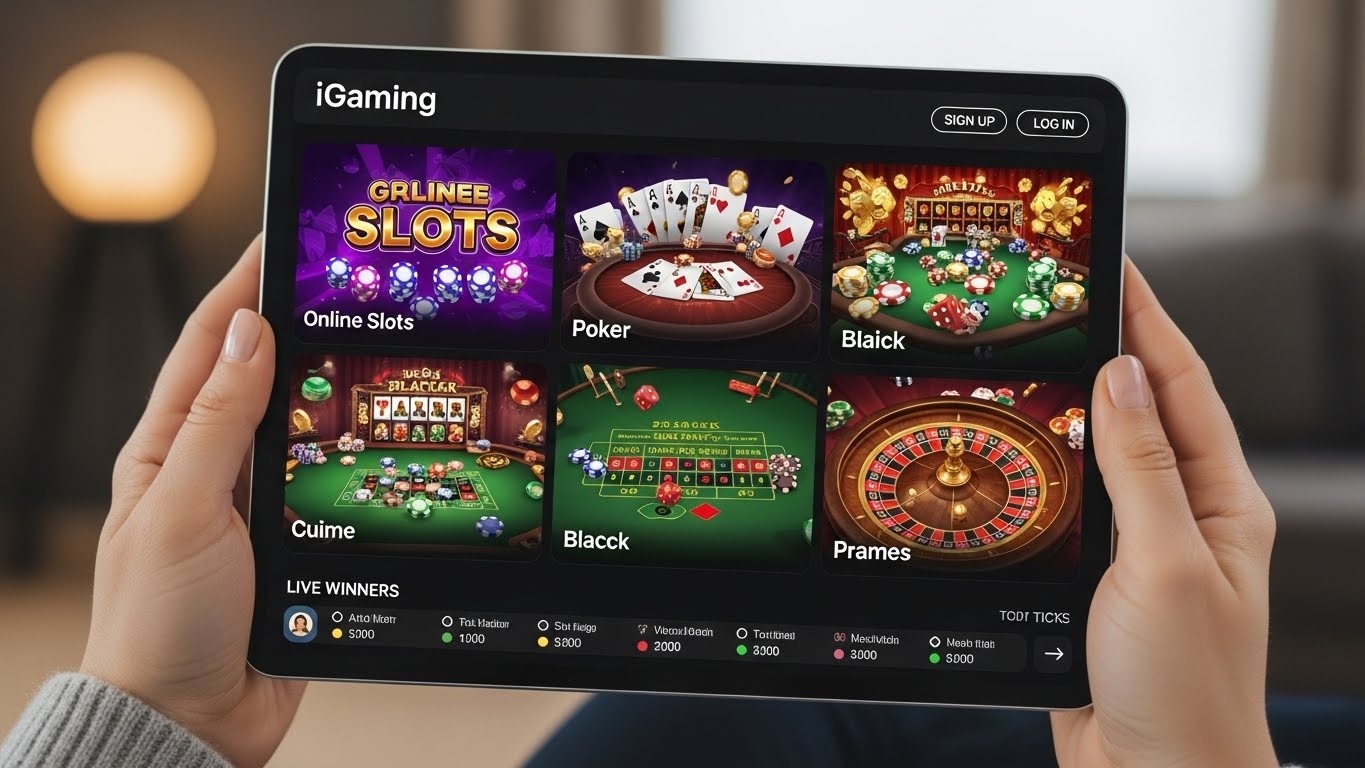
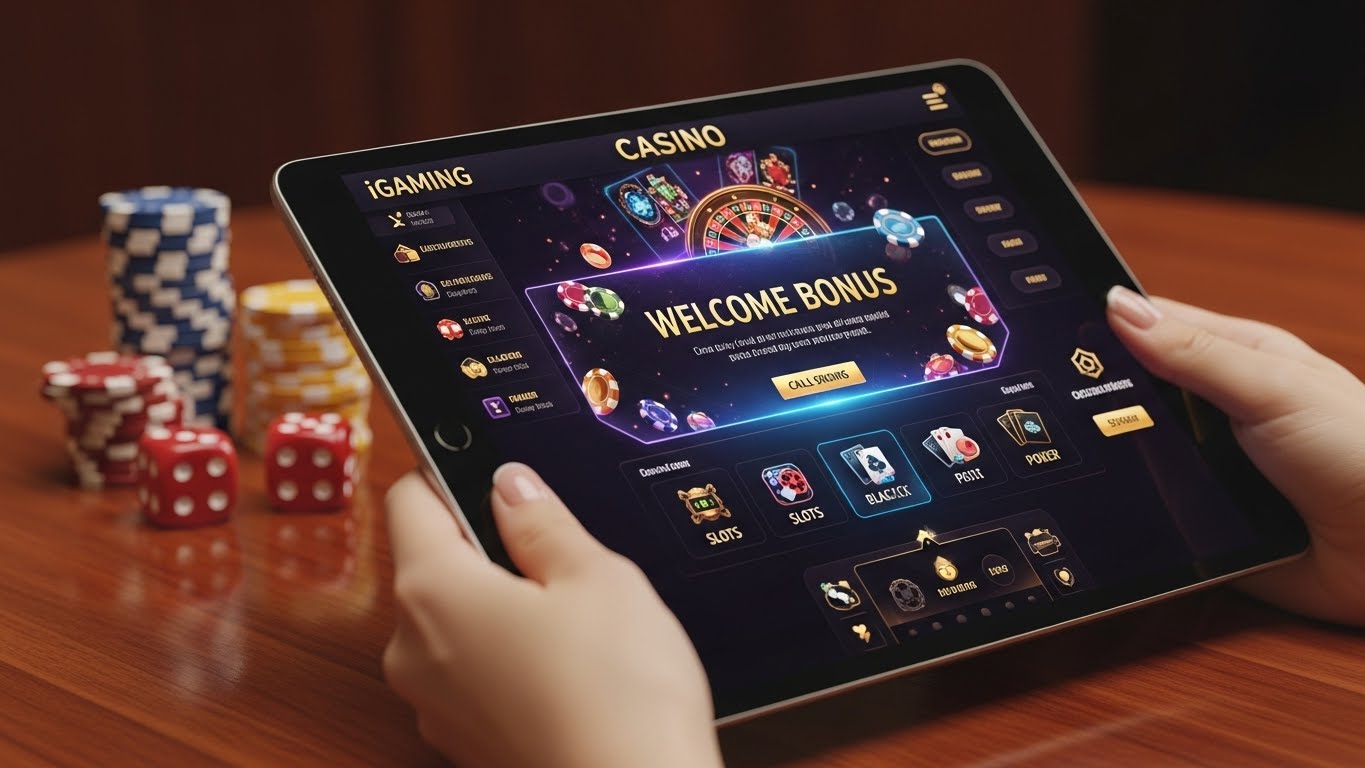
The world of entertainment has changed dramatically over the last few decades, and one of the most significant shifts has occurred in the realm of gaming. Traditional forms of gaming have always held a place in human culture, from physical board games to video games. But as the digital landscape continues to evolve, a new category of gaming has emerged—iGaming. iGaming refers to online gambling and the digital versions of traditional gambling activities like casinos, sports betting, poker, and lottery games. What was once a niche sector has exploded into a global phenomenon, attracting millions of players and billions of dollars in revenue. In this blog post, we will explore the world of iGaming, its rise to prominence, its impact on entertainment, and what the future holds for this rapidly growing industry.
What is iGaming?
iGaming refers to any form of gambling that takes place via the internet. It includes online casinos, sports betting, virtual poker rooms, and digital lottery games, among others. iGaming has become a significant component of the broader gaming industry, which includes traditional video games and esports. Essentially, it merges the excitement of gambling with the accessibility and convenience of the internet, allowing players to enjoy their favorite games from the comfort of their homes or even on the go via smartphones and tablets.
iGaming encompasses a variety of gambling experiences, such as online slots, blackjack, roulette, poker, and live dealer games, as well as the ability to place bets on various sporting events. The iGaming industry provides virtual versions of traditional casino games and adds digital twists like multiplayer tournaments, skill-based games, and virtual reality experiences. This new generation of digital gambling has brought a much-needed modernization to the gambling sector, attracting a younger, tech-savvy demographic while also catering to traditional gamblers.
The Evolution of iGaming: From Land-Based Casinos to Online Platforms
The origins of iGaming can be traced back to the 1990s when the internet was still in its infancy. In 1994, Antigua and Barbuda passed the Free Trade and Processing Act, which legalized online gambling in the Caribbean, creating the first legal framework for iGaming. The first fully functioning online casino, InterCasino, was launched in 1996, and this was the beginning of what would become a massive industry. Early online casinos were rudimentary, with basic graphics and limited game offerings, but the convenience of playing from home gave them a distinct advantage over traditional brick-and-mortar casinos.
During the early years, iGaming platforms had to overcome significant challenges, including the lack of trust in online financial transactions and the absence of strong regulatory frameworks. However, over time, advances in internet security, encryption technology, and the development of regulatory bodies helped to build player confidence. In the early 2000s, companies began introducing software and games that offered better graphics, smoother gameplay, and a more engaging user experience. The introduction of live dealer games, where real dealers are streamed in real-time to players’ screens, was another major milestone that helped bridge the gap between land-based and online gambling experiences.
The development of mobile gaming platforms in the late 2000s further fueled the growth of iGaming. Mobile applications allowed players to gamble on their smartphones and tablets, bringing the casino experience to their fingertips and making it more convenient than ever to place bets and play games anytime, anywhere.
The Appeal of iGaming: Why Players Are Flocking to Online Casinos and Betting Platforms
Several factors contribute to the growing popularity of iGaming. One of the most significant appeals is the convenience it offers. Online platforms allow players to access a variety of games without having to leave their homes. With mobile apps and web-based platforms, players can play their favorite casino games, place bets on sports events, and even compete in poker tournaments wherever they are. This level of convenience was previously unheard of in the gambling industry.
Another major factor driving the popularity of iGaming is the variety of games and betting options available. Online casinos offer an extensive selection of games that players can choose from, including slots, table games, video poker, and live dealer games. Many online casinos also offer bonuses and promotions, such as welcome bonuses, free spins, and loyalty rewards, which further enhance the player experience.
Additionally, the anonymity and privacy offered by online gambling platforms appeal to many players. Unlike traditional casinos, where players must visit physical locations, online gambling allows individuals to gamble from the privacy of their homes, eliminating any social pressures or judgments. This level of comfort has contributed to a broader demographic participating in iGaming, as people who might have felt hesitant to visit a brick-and-mortar casino are more willing to try their luck online.
The Growth of Online Sports Betting
In recent years, one of the most significant developments in the world of iGaming has been the rise of online sports betting. Sports betting is a traditional gambling activity that has been around for centuries, but the advent of online platforms has transformed how people engage with this activity. With iGaming platforms, users can place bets on a variety of sports, ranging from mainstream events like football, basketball, and soccer to niche markets such as esports, horse racing, and virtual sports.
The legalization of sports betting in several regions, such as parts of the United States and Europe, has played a significant role in this growth. In the U.S., the Supreme Court’s decision to strike down the Professional and Amateur Sports Protection Act in 2018 paved the way for states to legalize sports betting, creating a massive market for online sports betting platforms. As a result, more and more players are now turning to online platforms to place bets, with the convenience and ease of use being key drivers of this trend.
The growth of online sports betting has also coincided with the rise of live betting, where users can place bets on ongoing games in real-time. This adds an extra layer of excitement and engagement, as players can adjust their bets based on how the game is unfolding. Moreover, the increasing integration of mobile apps has made it even easier for users to participate in live betting, further driving the popularity of online sports gambling.
The Role of Technology in Shaping the Future of iGaming
As iGaming continues to evolve, advancements in technology are playing a crucial role in shaping its future. Virtual reality (VR) and augmented reality (AR) are two technologies that are already beginning to make an impact on the iGaming sector. VR casinos offer fully immersive environments where players can interact with the casino space and other players in real-time, creating a more lifelike and engaging experience. AR, on the other hand, has the potential to bring elements of the physical world into the digital gaming experience, further blurring the lines between reality and virtual environments.
Another important technology that is transforming the iGaming industry is artificial intelligence (AI). AI algorithms are being used to enhance gameplay, provide personalized recommendations, and improve customer support. AI can also be used to detect patterns in player behavior, helping operators identify potential problem gamblers and ensure responsible gaming practices.
Blockchain technology and cryptocurrencies are also beginning to make waves in the iGaming sector. Blockchain provides a secure and transparent way to handle financial transactions, ensuring that players’ funds are protected and that games are fair. Some online casinos now accept cryptocurrencies like Bitcoin, offering players an added layer of privacy and convenience.
Regulatory Challenges and Responsible Gaming
Despite the immense growth of iGaming, the industry faces several challenges, particularly in the realm of regulation and player protection. The legality of online gambling varies from country to country, and some regions have strict regulations in place to protect consumers. In places where iGaming is legal, operators are required to adhere to a wide range of rules regarding licensing, fairness, and responsible gambling practices.
Ensuring that players engage in safe and responsible gaming is another challenge for iGaming operators. The anonymity and convenience of online gambling can sometimes lead to problems with addiction and excessive spending. Many iGaming platforms have implemented responsible gaming measures, such as self-exclusion options, deposit limits, and resources for players seeking help with gambling addiction. Regulators are also working to ensure that operators are following these guidelines to protect players and maintain the integrity of the industry.
The Future of iGaming
The future of iGaming looks incredibly promising. As technology continues to advance, we can expect even more innovative experiences for players. Virtual reality and augmented reality are likely to become more mainstream, offering even more immersive ways to gamble online. The continued growth of mobile gaming will make it even easier for players to access their favorite games and place bets while on the go.
The legalization of online gambling in new markets, particularly in the U.S., will also contribute to the expansion of the industry. As more regions embrace iGaming and create regulatory frameworks to govern it, the industry will continue to flourish and attract new players from all walks of life.
With the rise of AI, blockchain, and cryptocurrencies, the iGaming landscape will also become more secure, transparent, and user-friendly. These technologies will help to create a more seamless, personalized, and trustworthy gaming experience, further boosting the popularity of iGaming.
Conclusion
iGaming has transformed the gambling industry, offering a new level of convenience, excitement, and variety. From online casinos and poker rooms to sports betting and mobile games, the world of iGaming continues to expand and evolve. As technology continues to drive innovation in the sector, the future of iGaming looks bright, offering new opportunities for players and operators alike. Whether you’re a seasoned gambler or a casual player, iGaming offers an exciting world of digital entertainment that continues to captivate millions of people around the globe.