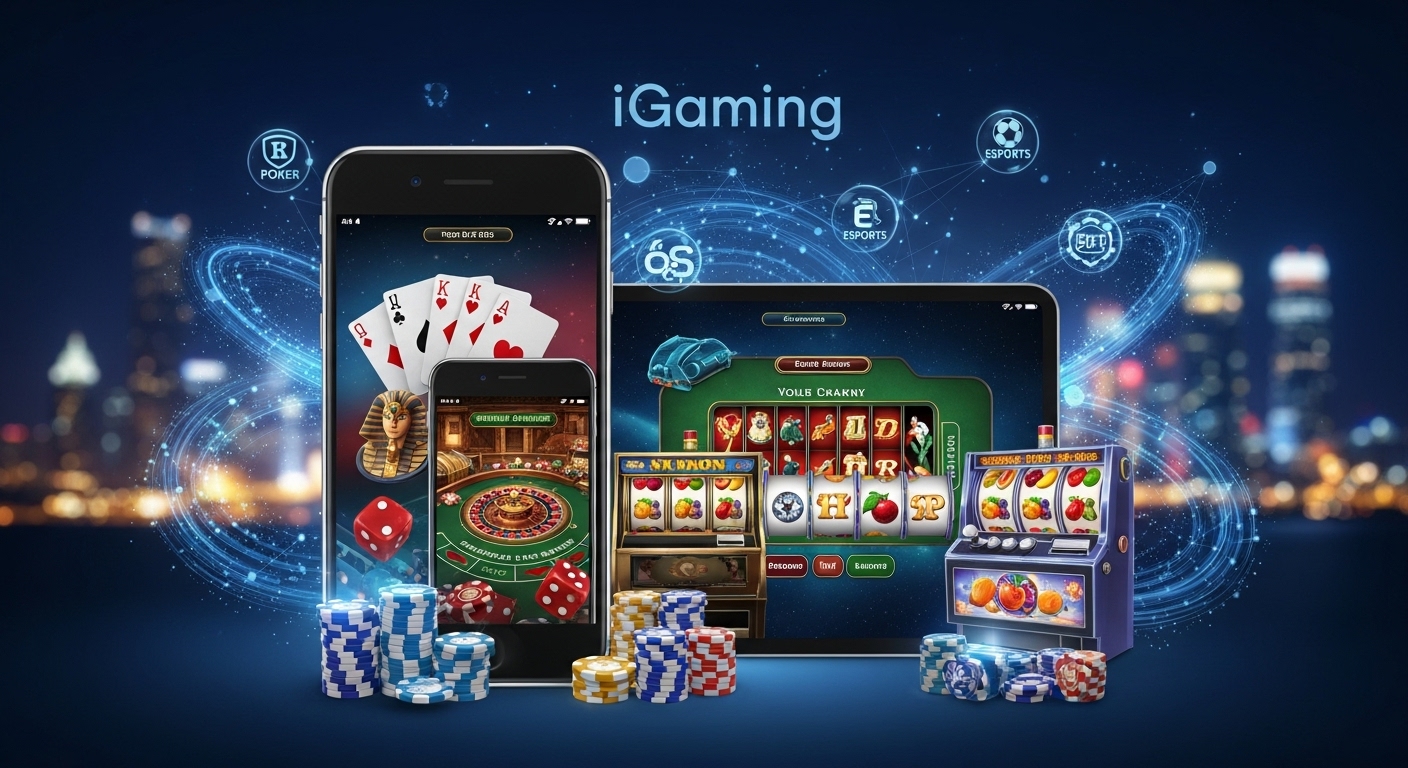

iGaming has transformed the gambling and entertainment industry, creating a digital landscape where players can enjoy casino games, sports betting, and interactive experiences from the comfort of their homes. It blends traditional gaming with technology, offering convenience, accessibility, and innovation. The rise of iGaming reflects changes in consumer behavior, advancements in digital technology, and a growing appetite for online entertainment. This blog explores the evolution of iGaming, its types, technological advancements, social and economic impacts, challenges, and the future of this dynamic industry.
The Evolution of iGaming
The origins of iGaming trace back to the early days of the internet in the 1990s. Online casinos emerged as pioneers, allowing players to access classic games like poker, blackjack, and roulette without visiting physical casinos. These platforms introduced digital versions of table games, slot machines, and lottery-style games, making gambling more accessible and convenient.
As internet technology improved, online gaming platforms evolved with better graphics, faster performance, and secure payment systems. The early 2000s saw the rise of regulated online gambling markets, ensuring fairness and safety while attracting a global audience. Today, iGaming has become a multi-billion-dollar industry, encompassing online casinos, sports betting, poker, bingo, and emerging interactive gaming experiences.
Types of iGaming
iGaming is a broad industry with a wide range of gaming options. Understanding these categories highlights its versatility and appeal.
Online Casinos
Online casinos replicate traditional casino experiences digitally. Players can enjoy classic table games such as blackjack, roulette, baccarat, and poker. Modern platforms offer live dealer experiences, where players interact with real dealers through video streaming, creating a realistic and immersive environment.
Sports Betting
Sports betting is one of the fastest-growing sectors of iGaming. It allows users to wager on various sports, including football, basketball, horse racing, and tennis. Advanced odds calculation, live in-play betting, and mobile applications have revolutionized sports gambling, providing convenience and real-time engagement for fans.
Poker and Card Games
Online poker platforms connect players globally, offering competitive tournaments, cash games, and social play. Card games like baccarat and blackjack have also migrated online, featuring advanced interfaces, live dealers, and interactive gameplay.
Bingo and Lottery
Digital bingo and lottery platforms provide casual and social gaming experiences. Players can participate in global bingo rooms, scratch cards, and digital lotteries, offering fun, excitement, and a sense of community.
Esports Betting
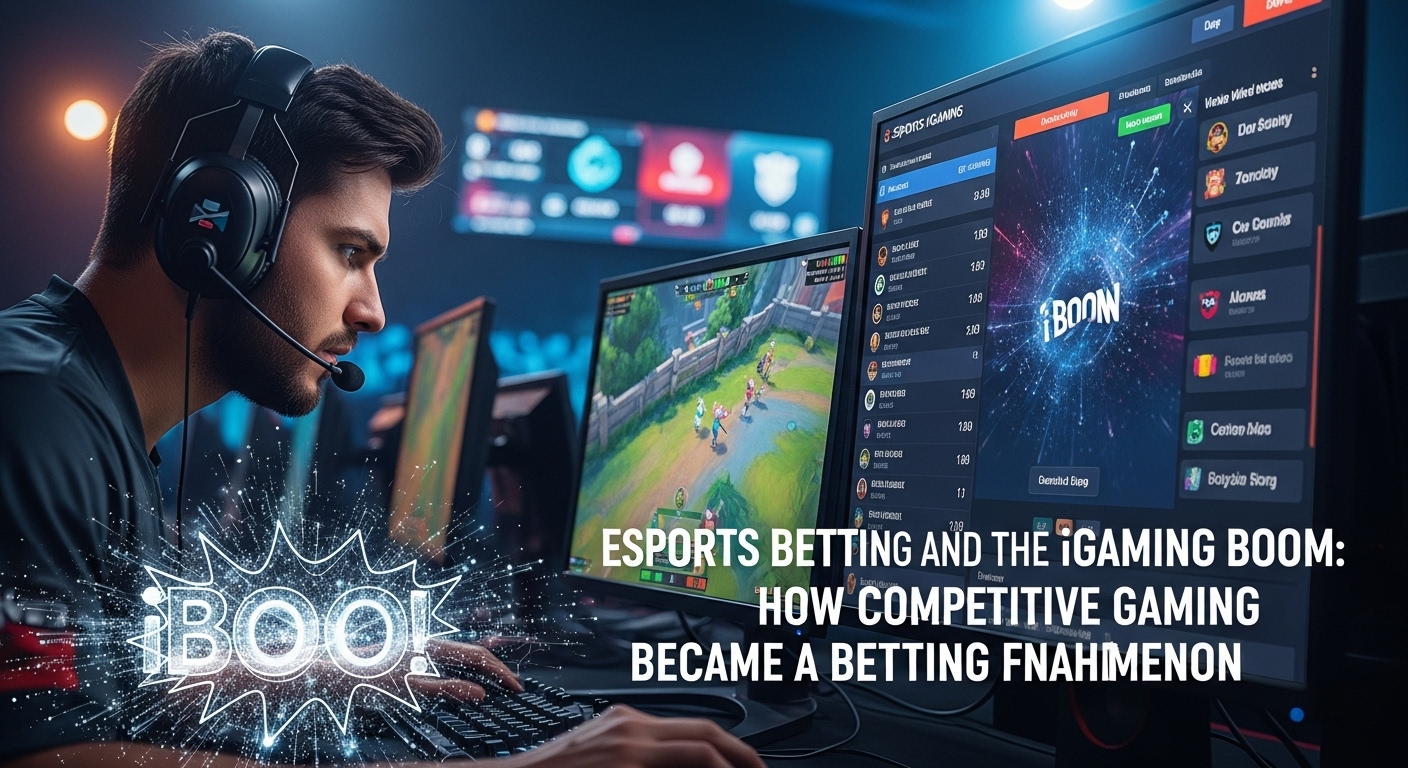
The growth of esports has introduced betting options on competitive gaming tournaments. Platforms allow users to wager on matches, teams, and outcomes in games such as League of Legends, Dota 2, and CS:GO. Esports betting combines the thrill of competition with fan engagement, attracting a younger demographic.
Technological Advancements in iGaming
Technology has driven the rapid evolution of iGaming, creating immersive, secure, and interactive experiences for players.
Mobile Gaming
Mobile applications have made iGaming accessible on smartphones and tablets. Players can enjoy casino games, sports betting, and poker on the go, eliminating the need for desktops or physical locations. Mobile optimization ensures seamless gameplay, real-time updates, and instant access to promotions and events.
Live Dealer Experiences
Live dealer technology bridges the gap between digital and physical casinos. High-definition video streaming allows players to interact with professional dealers, view real-time game actions, and participate in social chat features. This innovation enhances authenticity, engagement, and trust in online gambling.
Virtual Reality and Augmented Reality
Virtual reality (VR) and augmented reality (AR) are reshaping iGaming by creating immersive and interactive experiences. VR casinos allow players to explore digital gaming floors, interact with other players, and engage with realistic environments. AR adds interactive elements to traditional games, enhancing entertainment and engagement.
Artificial Intelligence and Data Analytics
AI and data analytics optimize player experiences, offering personalized promotions, game recommendations, and responsible gaming tools. AI algorithms analyze gameplay patterns to detect problem gambling behaviors, ensuring safer and more enjoyable experiences. Data analytics also help operators improve platform performance, marketing strategies, and customer retention.
Social and Cultural Impact of iGaming
iGaming has transformed social and cultural perceptions of gambling. Online platforms provide entertainment, social interaction, and community building. Multiplayer games, chat features, and interactive tournaments allow players to connect with others, creating social engagement and a sense of belonging.
iGaming also reflects cultural trends in digital consumption. It caters to younger generations who prefer online and mobile entertainment. Gamification elements, loyalty programs, and virtual rewards enhance engagement and create a positive entertainment experience.
Economic Impact of iGaming
The economic significance of iGaming is substantial. The industry generates billions in revenue globally, supporting employment, technology development, and tourism in regulated markets. Game development, software engineering, customer service, and digital marketing provide jobs and drive innovation.
Regulated iGaming markets contribute to government revenue through taxation, licensing fees, and economic activity. Online casinos, sports betting platforms, and poker rooms stimulate associated industries such as technology, media, payment processing, and entertainment.
Challenges in the iGaming Industry
Despite its growth, iGaming faces several challenges. Regulatory compliance is critical, as laws vary by region and require platforms to adhere to strict rules for fairness, security, and responsible gaming. Operators must navigate licensing, taxation, and local restrictions to operate legally.
Problem gambling is another concern. Online accessibility can increase the risk of addiction, financial loss, and emotional distress. Platforms implement responsible gaming measures, including deposit limits, self-exclusion options, and behavioral monitoring, to address these risks.
Cybersecurity is also vital. Protecting player data, financial transactions, and platform integrity is essential to maintaining trust. Advances in encryption, secure payment systems, and AI-driven monitoring help safeguard the industry against fraud and hacking attempts.
Competition is another challenge. The rapid growth of iGaming attracts new entrants, requiring operators to innovate constantly, improve user experiences, and retain customer loyalty. Marketing, technology, and game quality are critical factors in maintaining a competitive edge.
Responsible Gaming and Regulation
Responsible gaming is central to sustainable iGaming practices. Operators are committed to protecting vulnerable players and promoting safe gambling habits. Tools such as deposit limits, time alerts, reality checks, and self-exclusion programs help users manage their play responsibly.
Regulatory authorities ensure that platforms operate fairly and transparently. Licensing requirements, regular audits, and compliance checks maintain industry standards, protect players, and promote trust in online gaming. Transparent operations and ethical practices are essential for the long-term credibility of iGaming.
The Future of iGaming
The future of iGaming is dynamic and promising. Technological innovation will continue to enhance gameplay, accessibility, and engagement. Virtual reality and augmented reality casinos may become mainstream, offering fully immersive experiences. Artificial intelligence will further personalize gaming, optimizing recommendations and ensuring responsible play.
Mobile and cloud gaming will expand access, enabling players to enjoy high-quality experiences without advanced hardware. Integration with social media, streaming platforms, and interactive content will strengthen community engagement and global participation.
Cryptocurrency and blockchain technologies could revolutionize payments, digital ownership, and transparency in iGaming. Decentralized gaming ecosystems may offer enhanced security, fair play, and innovative reward systems.
The industry will continue to grow globally, driven by digital adoption, innovative platforms, and evolving consumer preferences. iGaming will maintain its role as a major entertainment, economic, and technological force.
Conclusion
iGaming has transformed traditional gambling into a digital, interactive, and accessible experience. It blends entertainment, technology, and social interaction, creating a dynamic industry that continues to evolve rapidly. From online casinos and sports betting to poker, bingo, and esports, iGaming caters to diverse interests and demographics.
Technological advancements such as mobile gaming, virtual reality, AI, and live dealer experiences have enhanced player engagement, accessibility, and safety. The economic impact is significant, supporting employment, innovation, and global revenue streams. Regulatory compliance and responsible gaming remain critical for maintaining trust, fairness, and sustainability in the industry.
Looking forward, iGaming is poised to embrace even more innovation, with immersive technologies, social interaction, blockchain integration, and personalized experiences shaping its future. As it continues to grow and adapt, iGaming will remain a major component of entertainment, technology, and global culture, offering players unique experiences and opportunities in the digital age.