Introduction to iGaming
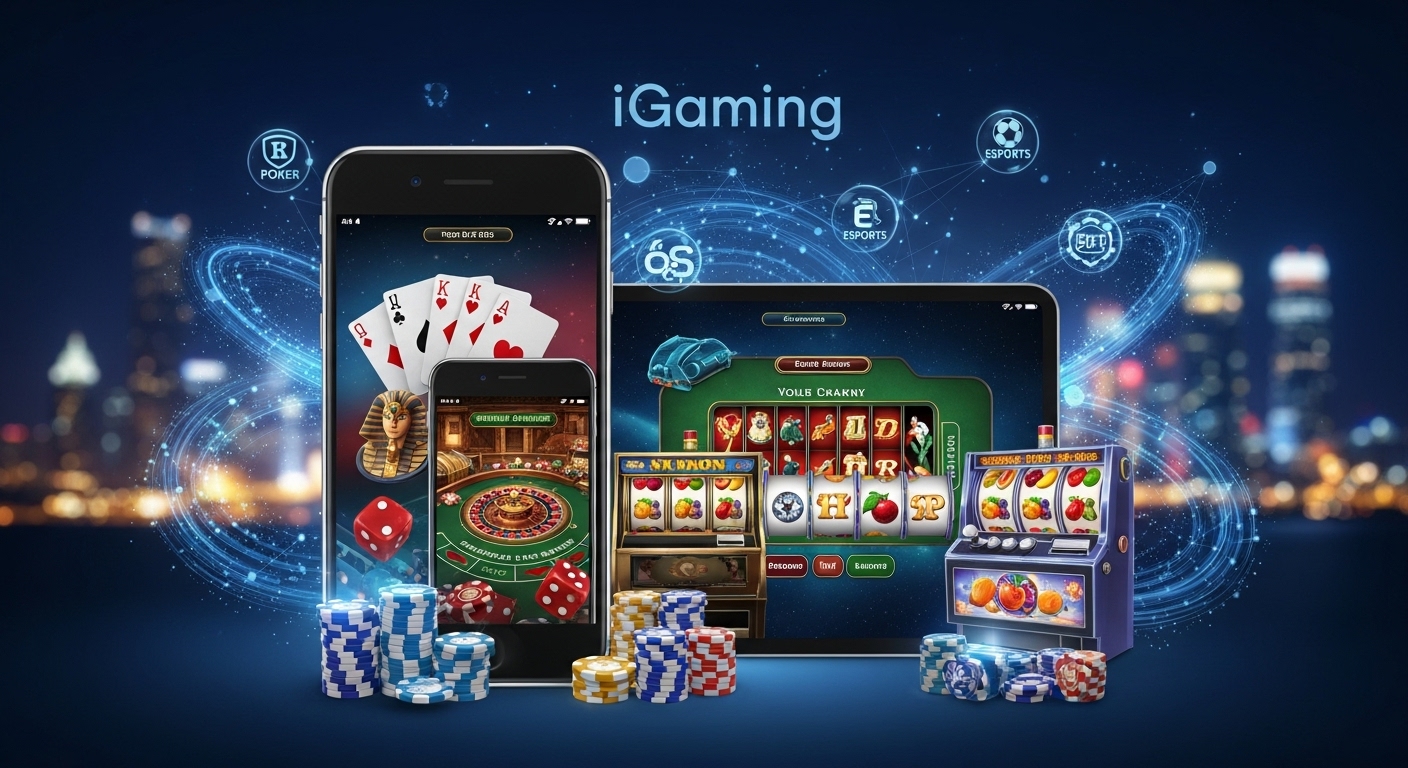
The world of gaming has undergone a massive transformation over the last two decades. What once began as a simple pastime on consoles and desktop computers has now evolved into a global digital industry. Among the most dynamic sectors of this digital revolution is iGaming. The term “iGaming” broadly refers to playing games of chance or skill on the internet. It encompasses online casinos, poker, sports betting, fantasy sports, lotteries, and even virtual reality gaming experiences. iGaming has changed how people engage with entertainment, offering convenience, diversity, and technological innovation unlike ever before.
The Rise of iGaming in the Digital Era
The iGaming industry’s rapid growth can be attributed to the digital age’s technological advancements and widespread internet accessibility. What started as basic online card games and roulette simulations in the late 1990s has now become a multi-billion-dollar global market. The introduction of mobile technology further fueled this growth, as smartphones and tablets allowed players to enjoy gaming anytime and anywhere.
Another critical factor behind this surge is the increasing acceptance of digital payments and secure online transactions. Players can deposit and withdraw funds quickly, encouraging participation and creating a seamless gaming experience. Moreover, the integration of advanced graphics, live dealers, and interactive interfaces has brought the online experience remarkably close to that of traditional casinos.
Technology Driving iGaming Innovation
Technology lies at the heart of iGaming’s evolution. The industry’s development has been shaped by several groundbreaking innovations that have transformed the player experience. One of the most notable advancements is the use of artificial intelligence (AI). AI enhances player engagement by personalizing content, suggesting games based on user preferences, and even identifying problematic gambling behavior to promote responsible gaming.
Blockchain technology has also revolutionized the iGaming landscape by introducing transparency and fairness. Through blockchain, every transaction can be securely recorded, ensuring that players have complete confidence in the integrity of their games. Smart contracts also enable automated payouts and verifiable random outcomes, reducing the risk of manipulation or fraud.
Virtual reality (VR) and augmented reality (AR) have added another dimension to iGaming. VR casinos allow players to step into immersive environments where they can interact with others as if they were physically present. These technologies transform gaming into an experience that blends social interaction, entertainment, and realism in a digital setting.
Mobile Gaming: The Power in Your Pocket
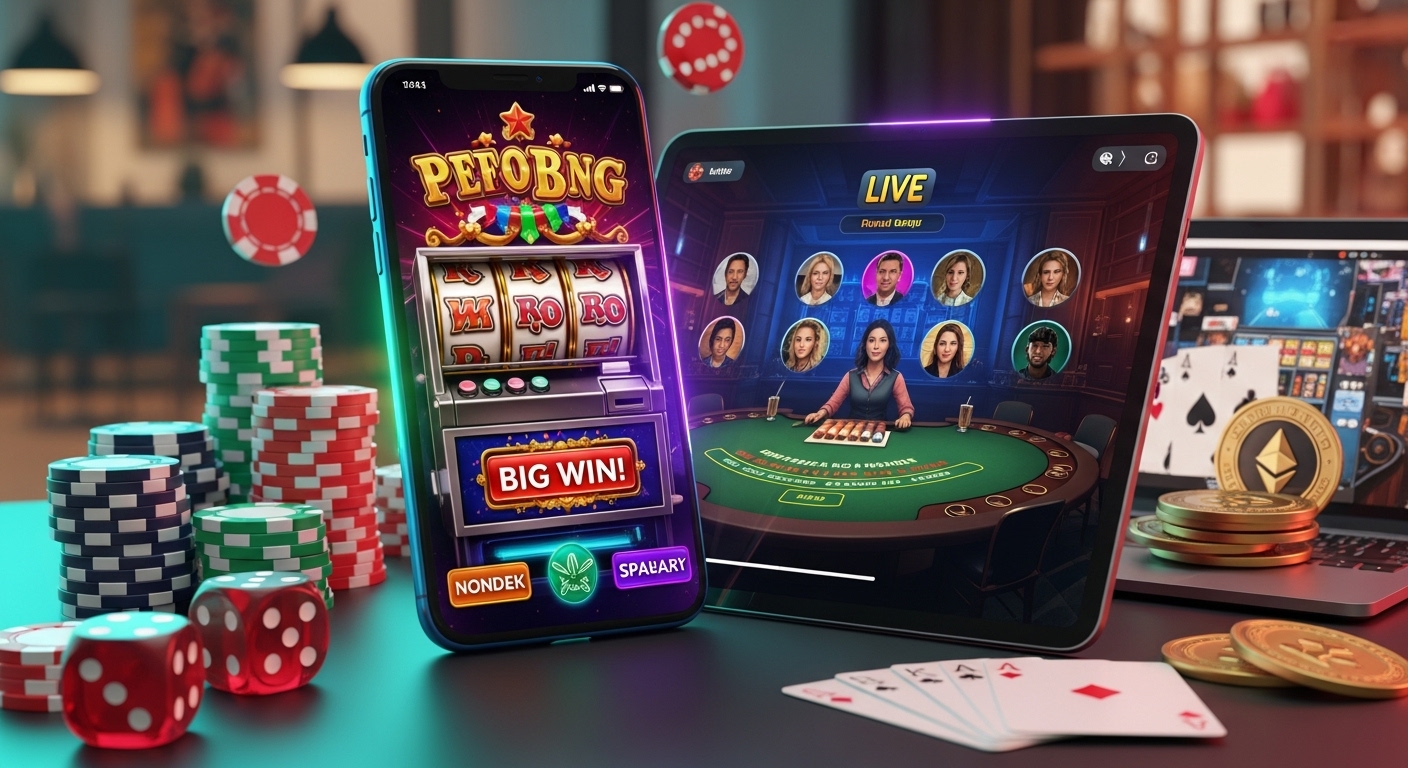
The explosion of smartphone usage has redefined the iGaming industry. Mobile gaming applications have become the primary medium through which millions of users engage with digital entertainment. Developers now design games optimized for mobile screens, offering smooth navigation, high-quality graphics, and quick-loading interfaces.
Mobile gaming also supports shorter, more engaging sessions that cater to the fast-paced lifestyles of modern players. Push notifications, in-app bonuses, and mobile-friendly payment options have further made mobile iGaming the preferred choice for most users. It is estimated that mobile gaming now accounts for more than half of the global iGaming revenue.
The Social Aspect of iGaming
Contrary to the misconception that online gaming is isolating, iGaming has fostered vibrant communities. Players from different parts of the world connect, compete, and collaborate through multiplayer platforms and social tournaments. Live dealer games, for instance, allow players to chat with real hosts and fellow participants, creating a social experience similar to physical casinos.
The integration of social media has further expanded iGaming’s reach. Players can share achievements, invite friends, and join virtual leagues, blending entertainment with social interaction. This sense of community keeps players engaged while building loyalty toward specific platforms.
Responsible Gaming and Regulation
With the rapid expansion of iGaming comes the responsibility of ensuring player protection. Governments and regulatory bodies have introduced strict frameworks to promote responsible gaming and prevent misuse. Age verification, spending limits, and self-exclusion tools are now standard features across reputable platforms.
Operators also use advanced algorithms to monitor player behavior and detect signs of compulsive gambling. Awareness campaigns and collaboration with mental health organizations have helped the industry maintain a positive image while safeguarding users. Transparent regulation not only protects players but also boosts credibility and trust within the iGaming community.
The Economic Impact of iGaming
Beyond entertainment, iGaming contributes significantly to the global economy. The industry generates billions in revenue annually, supports thousands of jobs, and stimulates technological innovation. Software development companies, digital payment providers, and cybersecurity firms all benefit from the expansion of iGaming platforms.
Many countries have recognized the potential economic benefits of legalizing and regulating iGaming. Tax revenues from this sector are often reinvested into public infrastructure, education, and social welfare programs. Moreover, the rise of competitive gaming tournaments and digital betting has created new career opportunities for professional gamers, streamers, and content creators.
The Future of iGaming: What Lies Ahead
The future of iGaming promises even more exciting developments. As technology continues to evolve, the integration of artificial intelligence, virtual reality, and metaverse platforms will redefine digital entertainment. Players will soon be able to walk through virtual casino lobbies, attend live events in 3D worlds, and engage in interactive story-based betting experiences.
Another area of growth is cryptocurrency integration. Digital currencies offer players anonymity, fast transactions, and lower fees, which align with the decentralized nature of online gaming. Many platforms are exploring the use of non-fungible tokens (NFTs) as part of loyalty programs or in-game assets, creating unique digital collectibles for players.
Artificial intelligence will continue to refine player personalization, predicting preferences and tailoring experiences with unprecedented precision. Meanwhile, the rise of 5G technology will further enhance mobile gaming performance, reducing latency and enabling real-time gameplay with stunning visuals.
The Role of Esports in iGaming
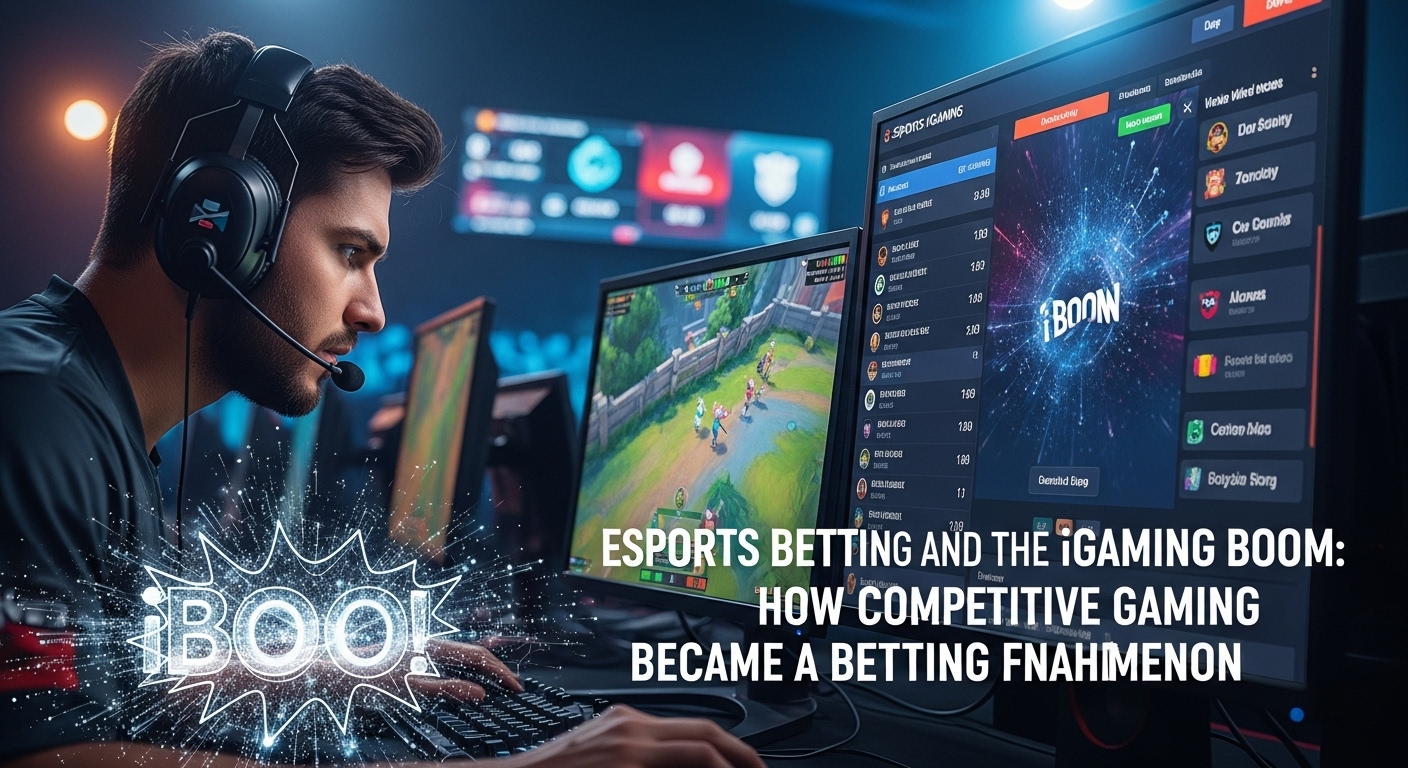
Esports has emerged as a crucial pillar of iGaming’s growth. Competitive gaming attracts massive audiences, with millions tuning in to watch tournaments worldwide. The combination of esports and iGaming creates a new form of engagement, where fans can not only watch but also participate through fantasy leagues and prediction-based games.
This integration of esports and iGaming has blurred the lines between spectatorship and participation. Major tournaments now feature sponsorships, prize pools, and professional teams, driving interest and investment in both industries. The future of iGaming will likely see even closer ties with esports, creating a hybrid digital ecosystem where entertainment, competition, and interaction merge seamlessly.
Challenges Facing the iGaming Industry
Despite its success, the iGaming industry faces several challenges. Regulatory differences between countries can create legal complexities for operators. Ensuring fair play, preventing fraud, and maintaining cybersecurity remain constant priorities. Additionally, managing responsible gaming and balancing profitability with player well-being is an ongoing challenge.
Competition is also intensifying as new developers and platforms enter the market. To stand out, companies must focus on innovation, user experience, and ethical gaming practices. The demand for transparency and trust will continue to shape how platforms design and deliver their services in the coming years.
Conclusion: The Digital Frontier of Play
The iGaming industry represents the next chapter in digital entertainment. It combines technology, creativity, and social engagement to deliver experiences that go far beyond traditional gaming. From online casinos to esports, from mobile platforms to virtual worlds, iGaming reflects how human innovation continually transforms leisure into a sophisticated and immersive form of interaction.
As technology continues to evolve, iGaming will remain at the forefront of this digital revolution. Its blend of convenience, interactivity, and global connectivity ensures that it will continue to captivate millions of players around the world. The future of iGaming is not just about playing games—it is about experiencing entertainment in ways that were once unimaginable, shaping a new era where the digital and the real world converge in the thrill of play.