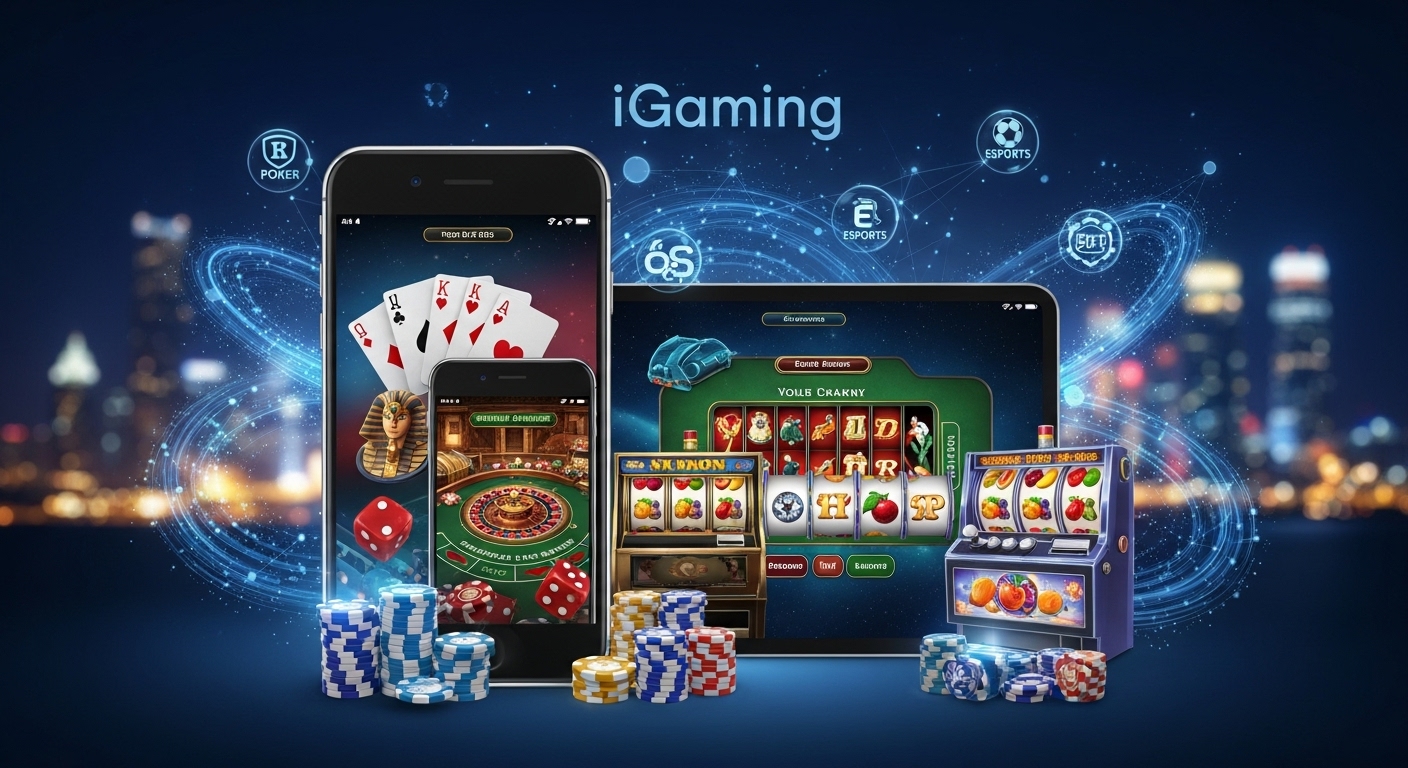

The iGaming industry has experienced exponential growth over the past two decades. With advances in technology, changes in legislation, and shifts in consumer preferences, online gambling has transformed into a global phenomenon. From online casinos and sports betting to eSports betting and virtual games, iGaming continues to capture the attention of millions worldwide. In this blog post, we will delve into the evolution of iGaming, explore the current trends driving the industry, and look at the technologies that will shape its future.
What is iGaming?
iGaming, short for “interactive gaming,” refers to all forms of gambling that are conducted over the internet. This includes traditional online casino games such as slots, blackjack, and roulette, as well as sports betting, poker, and even newer forms of gambling such as fantasy sports and virtual sports. iGaming also extends to the realm of esports, where players bet on video game outcomes.
In essence, iGaming encompasses any type of online wagering or betting, whether it’s on games of chance or skill, or on outcomes of events or competitions. With its rapid rise in popularity, iGaming has become a multi-billion-dollar industry, reshaping the landscape of traditional gambling.
The Growth and Expansion of iGaming
The rise of iGaming can be traced back to the late 1990s, when the first online casinos emerged. At the time, the technology was rudimentary, and internet speeds were slow. However, the idea of being able to play casino games from the comfort of your own home quickly caught the attention of gamblers. The first online casino, InterCasino, launched in 1996, was the beginning of what would become a massive online gambling revolution.
In the early years, most iGaming websites were based in jurisdictions with favorable or unclear gambling regulations, such as Antigua and Barbuda, or offshore territories. However, as the popularity of online gambling grew, more governments began regulating the industry to ensure consumer protection, ensure fair play, and prevent illegal activities.
One of the pivotal moments in the iGaming industry’s growth came in 2011, when the United States passed the Unlawful Internet Gambling Enforcement Act (UIGEA), which prohibited financial transactions related to online gambling. While this law initially put a halt to online gambling in the U.S., the tide began to turn in the late 2010s, as states began to legalize online gambling on their own terms. Today, several U.S. states, including New Jersey, Pennsylvania, and Michigan, offer legal online gambling, and other states are considering or preparing to follow suit.
Globally, the iGaming industry has seen impressive growth, driven by changing social attitudes, technology, and legal frameworks that support online gambling. The market is expected to continue expanding as the demand for mobile gaming increases and new innovations keep coming to the fore.
Key Trends in the iGaming Industry
1. Mobile Gaming: The Future is in the Palm of Your Hand
In the past, online gambling was mostly limited to desktop computers. However, the rise of smartphones and tablets has brought a major shift to the industry. Mobile gaming has now become the dominant platform for iGaming, with players accessing casinos, sportsbooks, and poker rooms from their mobile devices at any time and from anywhere.
This shift has prompted iGaming operators to develop mobile-friendly platforms, apps, and games that are specifically designed for mobile users. Mobile casinos are now designed to offer the same immersive experience as desktop versions, with high-quality graphics, smooth gameplay, and secure payment methods. The convenience of playing on the go has driven a surge in mobile gaming participation, especially in markets like Europe and Asia.
2. Live Dealer Games: Bridging the Gap Between Online and Land-Based Casinos
Live dealer games are another trend that has gained significant popularity in the iGaming world. These games use real dealers who are broadcast live from a casino studio or land-based casino, creating a real-time, immersive experience for players. With live blackjack, roulette, baccarat, and poker games, players can interact with the dealer and other participants, replicating the social aspect of land-based casinos.
Live dealer games are typically played on a player’s computer or mobile device but offer the feel of playing in a physical casino, thanks to the high-definition video streams and real-time betting options. This innovation has been instrumental in bringing authenticity to online gambling, which often lacked the human interaction found in traditional casinos.
3. Virtual Sports and eSports Betting
While traditional sports betting remains a significant part of the iGaming market, virtual sports and eSports betting are rapidly gaining ground. Virtual sports are computer-simulated versions of traditional sports such as soccer, basketball, or horse racing, and are often available 24/7. Players can place bets on virtual events, with outcomes determined by an algorithm.
On the other hand, eSports has emerged as one of the fastest-growing areas within iGaming. With millions of viewers tuning in to watch professional video gamers compete in tournaments for popular games like “League of Legends,” “Dota 2,” and “Counter-Strike,” eSports betting has become a multi-billion-dollar industry. Fans can bet on eSports tournaments, player performances, and match outcomes, further cementing video gaming as a form of entertainment that extends beyond playing.
4. Cryptocurrencies and Blockchain Technology
The advent of cryptocurrencies like Bitcoin and Ethereum has introduced a new level of anonymity and security to iGaming. Several online casinos and sportsbooks now accept cryptocurrencies as a form of payment, allowing players to make faster, more secure transactions without relying on traditional banking methods.
Additionally, blockchain technology offers transparency and fairness to the gaming industry by ensuring that all transactions and game outcomes are recorded in an immutable ledger. This has the potential to eliminate concerns about rigged games or fraudulent activities. Cryptocurrencies and blockchain have already started gaining traction in the iGaming world, and their adoption is expected to increase as more players and operators see the benefits of these technologies.
5. Artificial Intelligence and Personalization
Artificial intelligence (AI) is beginning to play a crucial role in the iGaming industry by enabling operators to create more personalized experiences for their players. AI-powered algorithms can analyze player behavior, preferences, and spending patterns to recommend tailored gaming experiences. Whether it’s suggesting games based on previous activity or offering personalized bonuses and promotions, AI helps operators engage players and boost retention rates.
AI is also being used to detect suspicious behavior, such as fraud or money laundering, helping to ensure the integrity of the platform. Additionally, AI is making it easier for operators to provide responsible gambling tools, such as self-exclusion and time-limit features, to protect vulnerable players.
6. Regulatory Changes and Responsible Gambling
As the iGaming industry continues to grow, regulatory bodies are increasingly focusing on creating frameworks to ensure fairness, consumer protection, and responsible gambling practices. Many countries are implementing regulations that require iGaming operators to obtain licenses, conduct regular audits, and adhere to strict anti-money laundering and responsible gambling measures.
In addition, responsible gambling initiatives, such as self-exclusion programs, deposit limits, and reality checks, are becoming standard features on most iGaming platforms. These tools help players maintain control over their gambling habits and promote a safer gambling environment.
The Future of iGaming: What Lies Ahead?
The future of iGaming looks promising, with several exciting developments on the horizon. As technology continues to evolve, so too will the gaming experience. Here are some key areas to watch out for:
1. Virtual Reality (VR) and Augmented Reality (AR)
Virtual reality and augmented reality have the potential to revolutionize the online gambling experience. Imagine stepping into a virtual casino where you can walk around, interact with other players, and play games in an immersive 3D environment. VR and AR technology could provide players with a more lifelike casino experience without leaving their homes.
While VR and AR are still in the early stages of adoption, it’s likely that we will see more iGaming operators exploring these technologies in the near future. As VR headsets become more affordable and the technology improves, these new gaming experiences could become a significant part of the iGaming landscape.
2. Gamification and Interactive Features
Gamification is the integration of game-like elements into non-gaming experiences, and it is becoming more prevalent in iGaming. Features such as achievements, leaderboards, and rewards systems are being used to make the gambling experience more engaging and interactive. By adding these elements, operators can create more enjoyable and motivating experiences for players.
Interactive features such as multiplayer games, social gambling, and tournaments are also gaining traction, allowing players to compete with friends or others in real-time.
3. Global Expansion and New Markets
The iGaming industry is set to expand into new markets as more countries legalize online gambling. Countries in Latin America, Asia, and Africa represent huge growth opportunities for iGaming operators. As these regions become more open to online gambling, operators will need to adapt to local cultures, languages, and regulatory frameworks.
The increasing acceptance of online gambling worldwide will likely lead to a more globalized iGaming market, with players from different countries and cultures participating in cross-border gaming.
Conclusion
The iGaming industry has evolved from a niche market into a global powerhouse, driven by technological advancements, changing consumer preferences, and regulatory developments. As the industry continues to grow, trends like mobile gaming, live dealer experiences, virtual sports, and the use of cryptocurrencies will shape its future. Innovations in AI, VR, and gamification will further enhance the player experience, while responsible gambling practices will help ensure a safe and secure environment.
Looking ahead, the iGaming industry is poised for continued growth, with exciting opportunities for both operators and players alike. The future of online gambling is bright, and as new technologies emerge, the possibilities for innovation seem endless. For anyone interested in iGaming, it’s clear that the best is yet to come.