
In the digital age, entertainment has evolved in ways that were once unimaginable. One of the most significant transformations has come from the world of gaming, particularly iGaming. The term “iGaming” refers to interactive gaming that involves real-money betting and gaming over the internet. From online casinos to virtual sports, iGaming has become a massive industry, attracting millions of players globally and generating billions of dollars in revenue. But what exactly is iGaming, how did it rise to prominence, and what does the future hold for this rapidly growing sector? In this blog post, we’ll dive into the world of iGaming, examining its history, growth, trends, and potential challenges.
The Birth and Growth of iGaming
iGaming’s roots trace back to the 1990s, when the internet was becoming mainstream, and online gaming technology began to evolve. The very first online casino, InterCasino, launched in 1996, paving the way for the development of the iGaming industry. The introduction of the Internet enabled casinos to expand beyond traditional brick-and-mortar establishments, offering players the ability to enjoy casino games from the comfort of their own homes.
As the industry grew, so did the variety of games offered. Initially, online casinos focused on traditional table games like blackjack, roulette, and poker. However, as technology advanced, iGaming platforms began to introduce slots, live dealer games, and other forms of interactive gaming. The industry flourished with the development of secure payment systems and improved internet speeds, making online betting safer and more accessible.
In the early days, iGaming was met with skepticism and legal challenges. Many governments were unsure about how to regulate the industry, and several countries imposed strict regulations or outright bans on online gambling. However, over time, regulators began to adapt, and in some jurisdictions, governments saw the potential for generating significant revenue from taxes on gambling. This led to the establishment of regulated markets, particularly in Europe and the United States.
The Explosion of Online Casinos
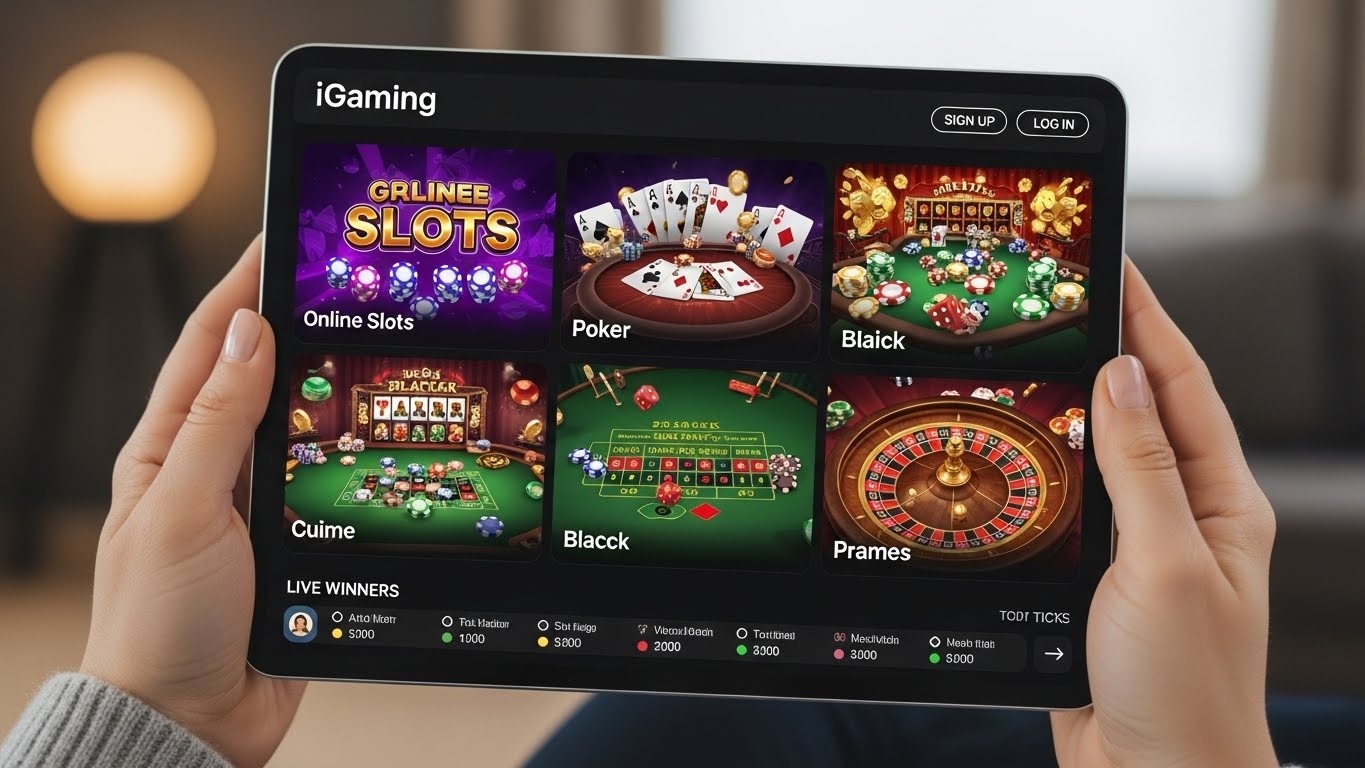
One of the cornerstones of iGaming is online casinos. These digital platforms mimic the traditional casino experience but with the added advantage of being available 24/7, anywhere with an internet connection. Players can engage in a wide array of games, from slots and poker to baccarat and craps. The accessibility of online casinos has made them incredibly popular among players of all experience levels.
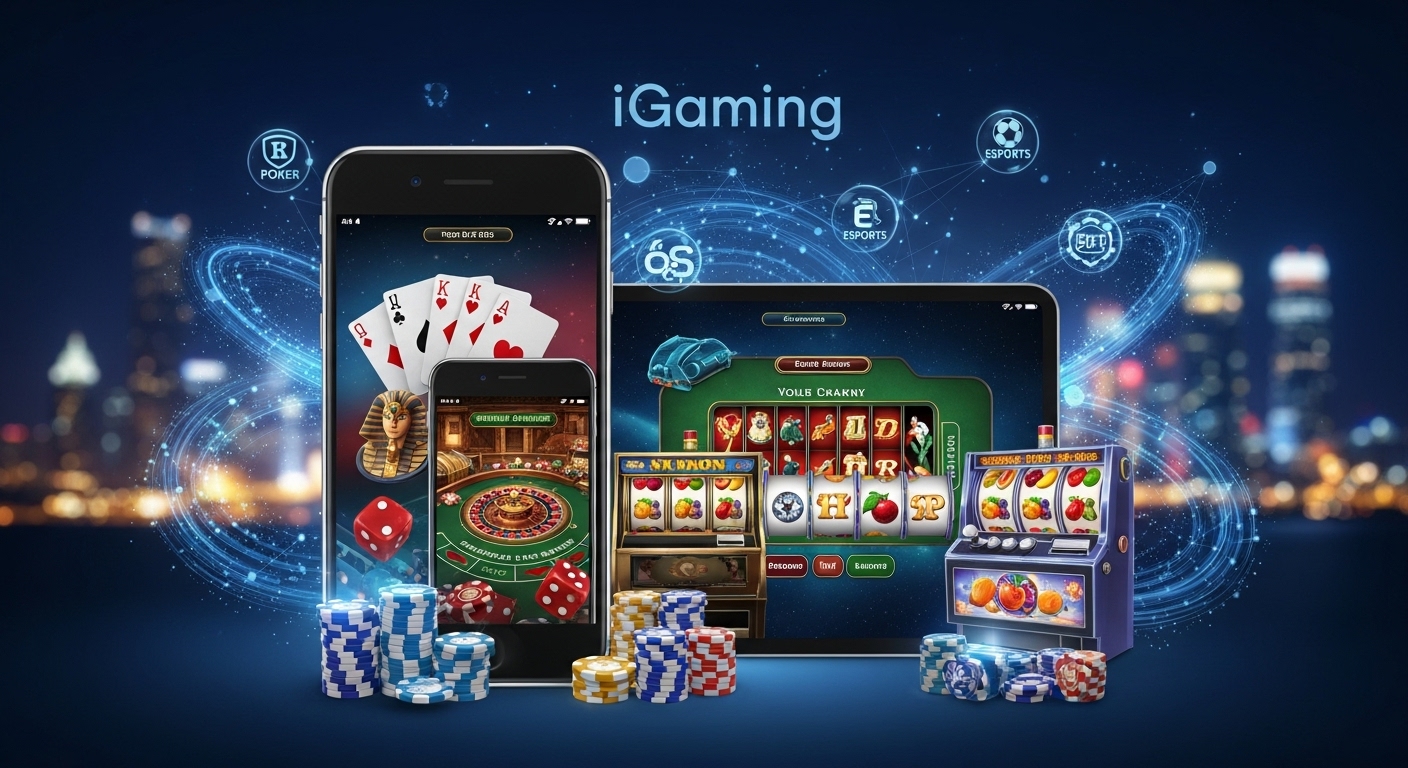
The design and user experience of modern online casinos have played a significant role in their success. With sleek interfaces, interactive features, and seamless navigation, online casinos have become more engaging than ever. Many platforms offer mobile-friendly versions of their sites, enabling players to access their favorite games on the go. This shift to mobile gaming has helped expand the reach of iGaming to a broader audience, including younger demographics who prefer playing on their smartphones.
Moreover, technological advancements such as random number generators (RNGs) have ensured fairness in online casino games. These RNGs create unpredictable outcomes in games like slots and blackjack, ensuring that players have a fair chance at winning. The implementation of encryption technologies also guarantees that personal and financial data is protected, providing players with peace of mind when they engage in real-money betting.
The Popularity of Online Sports Betting
In addition to online casinos, another rapidly growing segment of the iGaming industry is online sports betting. Sports betting has been around for centuries, but the digital revolution has allowed it to evolve into a massive global industry. Whether it’s betting on football, basketball, horse racing, or eSports, online sportsbooks have become a major player in the iGaming market.
The legalization of sports betting in the United States in 2018 was a game-changer for the iGaming industry. The Professional and Amateur Sports Protection Act (PASPA), which had previously prohibited sports betting in most states, was struck down by the Supreme Court, allowing individual states to regulate sports betting. This decision opened the floodgates for the expansion of online sports betting across the U.S., with numerous states legalizing the practice in the years following the ruling.
Online sportsbooks offer various betting options, including live betting, which allows players to place bets on ongoing games. The introduction of in-play betting has further enhanced the sports betting experience, providing players with more opportunities to wager as the action unfolds. As sports fans increasingly turn to mobile devices for their entertainment, mobile sports betting has become a popular option, with many iGaming platforms offering dedicated apps for easy access.
Virtual Sports and eSports: The New Frontiers of iGaming
While traditional sports betting continues to dominate the iGaming industry, newer forms of gaming are beginning to carve out their own space. Virtual sports, which simulate real-world sports using computer graphics, have become increasingly popular. These virtual games, ranging from football to horse racing, offer players the chance to place bets on simulated matches or races. The beauty of virtual sports is that they run continuously, providing a constant stream of betting opportunities without the need to wait for actual events to take place.
On a different note, eSports (competitive video gaming) has become a significant force within the world of iGaming. What was once considered a niche hobby has transformed into a multi-billion-dollar industry. eSports competitions, where professional gamers compete in popular titles like League of Legends, Counter-Strike, and Dota 2, draw millions of viewers and generate enormous amounts of revenue. This has opened up new avenues for betting, with iGaming platforms offering odds on eSports events and tournaments.
The rise of eSports has brought a younger audience into the iGaming world. Many of these fans are digital natives who are already comfortable with gaming and betting in virtual environments. As eSports continues to grow in popularity, iGaming platforms are expected to expand their offerings to include more eSports-related betting options, further merging traditional sports with the world of gaming.
Mobile Gaming: The Key to iGaming’s Future
One of the most significant developments in the iGaming sector has been the shift to mobile gaming. As smartphones have become more powerful and accessible, they have revolutionized the way people engage with iGaming platforms. Mobile gaming has allowed players to access their favorite games anywhere, anytime, from the comfort of their own homes or while on the move.
Mobile apps and responsive websites have made it easier for players to enjoy their gaming experience without the need for a desktop computer. Many iGaming platforms have developed dedicated apps for both iOS and Android, offering a smooth and seamless experience on mobile devices. As mobile technology continues to improve, the iGaming sector will likely see even more growth in this area.
In addition to providing convenience, mobile gaming has enabled iGaming operators to offer more innovative features. For example, location-based gaming allows players to participate in regional promotions, contests, and betting opportunities. Mobile devices also support features like live streaming of games, enabling players to watch live events while placing bets in real time.
The Impact of Cryptocurrency on iGaming
The rise of cryptocurrency has also made waves in the iGaming industry. Cryptocurrencies like Bitcoin, Ethereum, and Litecoin are becoming increasingly popular as payment methods for online gambling. One of the key reasons for this is the anonymity and security that cryptocurrencies offer. Many players prefer to use digital currencies to maintain their privacy and avoid the need to share sensitive financial information.
Additionally, cryptocurrency transactions are typically faster and cheaper than traditional payment methods, making them an attractive option for both players and iGaming operators. As more players and platforms embrace cryptocurrency, it is likely that digital currencies will continue to play a larger role in the future of iGaming.
Cryptocurrency’s potential extends beyond just payment methods. Blockchain technology, the backbone of cryptocurrencies, can be used to enhance transparency and fairness in iGaming. By recording all transactions and outcomes on a public ledger, blockchain can help eliminate fraud and ensure that players are treated fairly.
Regulatory Challenges and the Future of iGaming
Despite the rapid growth of iGaming, the industry still faces significant regulatory challenges. Since online gambling operates across borders, different countries have different laws governing its legality. Some nations have fully embraced iGaming and developed regulations to ensure fairness, while others have outright banned it or heavily restricted it.
As iGaming continues to grow, governments are increasingly working to develop regulatory frameworks that allow operators to function legally while protecting consumers. For example, some countries have introduced licensing systems that require operators to adhere to strict standards regarding security, fairness, and responsible gambling.
The future of iGaming will likely be shaped by how governments and regulators address these challenges. As more countries legalize and regulate iGaming, the industry will likely become more structured, with increased oversight to protect players and ensure a fair gaming experience.
The Future of iGaming: What’s Next?
The future of iGaming looks incredibly promising, with new technologies, game formats, and payment methods driving its expansion. As virtual reality (VR) and augmented reality (AR) technologies advance, they could usher in an entirely new era of immersive gaming experiences. VR casinos, for instance, could simulate real-world environments, allowing players to interact with dealers and other players in a fully immersive virtual world.
Additionally, artificial intelligence (AI) and machine learning may continue to improve the personalization of gaming experiences, offering players tailored recommendations and dynamic game features. AI-powered chatbots and virtual assistants could also play a larger role in customer service, ensuring that players receive timely support.
With the rise of mobile gaming, cryptocurrency payments, and emerging markets, iGaming is poised to continue its rapid growth. However, as with any rapidly expanding industry, it’s essential for operators to remain focused on providing a safe, secure, and responsible gaming experience for all players.
Conclusion
The world of iGaming has come a long way since its early days. From online casinos and sports betting to virtual sports and eSports, the industry has evolved into a multifaceted and dynamic entertainment ecosystem.