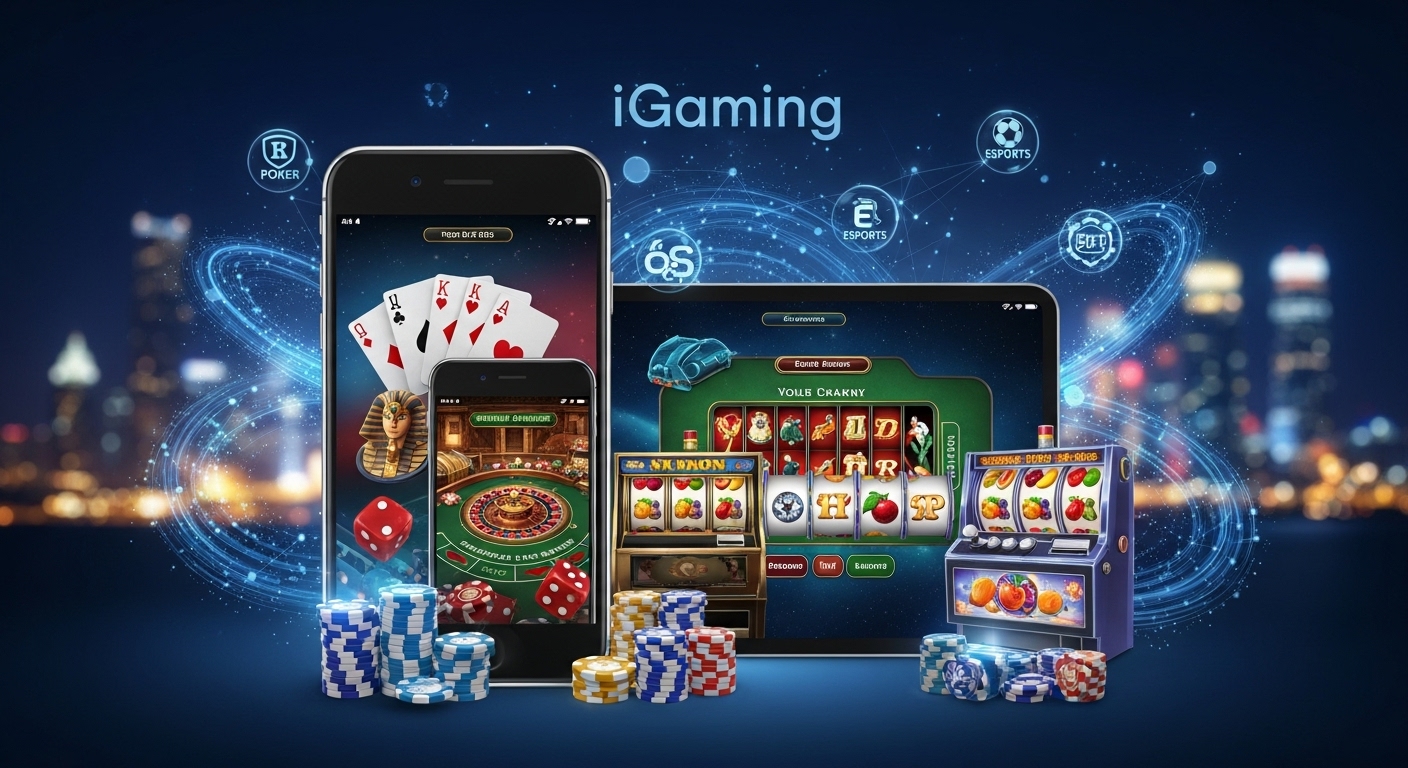

The world of gambling has undergone a massive transformation over the past few decades. With the advent of the internet and the rise of digital technology, the gambling industry has found new avenues for growth and expansion. One of the most significant changes has been the emergence of iGaming — the world of online gambling. Today, iGaming is not just a niche market but a global phenomenon, attracting millions of players worldwide. This blog post delves into the evolution of iGaming, its impact on the gambling industry, the technology behind it, and the future trends shaping the sector.
What is iGaming?
At its core, iGaming refers to any form of gambling that takes place via the internet. The term encompasses a wide range of gambling activities, including online casinos, sports betting, poker, bingo, and even eSports betting. While traditional brick-and-mortar casinos and sportsbooks have been around for centuries, iGaming has revolutionized the gambling experience, offering players the ability to access their favorite games and place bets from the comfort of their own homes.
The most notable distinction between traditional gambling and iGaming is the reliance on digital platforms. Whether it’s a computer, tablet, or smartphone, players can now gamble on a variety of platforms and access a vast selection of games. iGaming also allows for real-time interaction with other players and even live dealers, which replicates the social aspect of physical casinos.
The Early Days of iGaming
The history of iGaming dates back to the 1990s when the internet began to gain widespread popularity. The first online casino, called “InterCasino,” was launched in 1996, and it allowed players to engage in real money gambling for the first time. Shortly after, online poker rooms and sportsbooks emerged, offering gamblers a broader range of options. These early online platforms were primitive compared to today’s offerings, but they laid the groundwork for what would become a multi-billion-dollar industry.
During the early years of iGaming, the industry faced several challenges, including issues with security, payment processing, and regulatory concerns. Many governments were hesitant to embrace online gambling, and legal frameworks were slow to evolve. However, as technology improved and the popularity of the internet grew, the iGaming sector flourished. By the early 2000s, online gambling had become a legitimate and widely accepted form of entertainment.
The Technological Advancements Behind iGaming
A key factor in the success of iGaming has been the rapid advancement of technology. Over the years, innovations in software development, gaming graphics, and internet infrastructure have played a crucial role in enhancing the iGaming experience.
1. Improved Graphics and User Experience
One of the primary reasons for the growth of online casinos and iGaming platforms is the continuous improvement in game design and user experience. Modern-day iGaming platforms feature high-definition graphics, realistic animations, and immersive sound effects, making online gaming nearly indistinguishable from the experience at a land-based casino. The rise of virtual reality (VR) and augmented reality (AR) also promises to further enhance this immersive experience.
2. Mobile Gaming
With the proliferation of smartphones, mobile gaming has become an integral part of the iGaming industry. Players no longer need to be tied to a desktop computer to enjoy their favorite games. Mobile casinos, sportsbooks, and poker rooms allow players to gamble on the go, which has significantly broadened the audience for iGaming. Mobile apps are optimized for easy navigation, and many platforms now offer features like live streaming and in-game betting, which enhance the overall gaming experience.
3. Secure Payment Systems
In the early days of iGaming, one of the major hurdles was the lack of secure and reliable payment systems. Today, however, numerous secure payment gateways are available to players, including e-wallets like PayPal, cryptocurrency options like Bitcoin, and traditional methods like credit cards. These payment systems ensure that deposits and withdrawals are fast, safe, and transparent, helping to build trust between players and operators.
4. Live Dealer Games
Another innovation that has brought iGaming closer to the real-world casino experience is live dealer games. These games involve real dealers who are streamed live to players through video feeds. Players can interact with the dealer and other players, much like they would in a brick-and-mortar casino. Live dealer games have become a major draw for online casinos, offering players a unique and social gambling experience.
The Global Impact of iGaming
As the iGaming industry continues to grow, it has become a major economic driver for many countries. Several regions have embraced online gambling as a legitimate industry and have implemented regulations to ensure consumer protection and tax revenue generation. The global nature of iGaming has also created new opportunities for operators, software developers, and affiliates to tap into international markets.
1. Job Creation and Economic Impact
The iGaming sector has created thousands of jobs worldwide, ranging from game developers to customer support staff. Additionally, the rise of online gambling has led to the growth of affiliate marketing, with individuals and businesses earning commissions by referring players to iGaming platforms. In countries where iGaming is regulated, the industry has become a significant contributor to the economy, generating millions of dollars in tax revenue.
2. Global Reach
iGaming has a truly global reach. Players from all corners of the world can access iGaming platforms and participate in games, regardless of their location. This global nature of online gambling has created new challenges for regulators and operators, especially with regard to cross-border taxation and ensuring the safety and fairness of games for players from different jurisdictions.
3. Regulation and Legalization
As iGaming continues to expand, regulatory bodies have been forced to adapt to the evolving landscape. Some countries, such as the United Kingdom, Spain, and Malta, have established comprehensive regulatory frameworks for online gambling, ensuring fair play, responsible gaming practices, and consumer protection. On the other hand, several regions, including the United States and parts of Asia, have been slower to regulate the industry, leading to a patchwork of laws and policies.
In the U.S., for example, iGaming has been legalized in certain states like New Jersey, Pennsylvania, and Michigan, but remains illegal in many others. The future of iGaming in the U.S. is uncertain, with ongoing debates over regulation and the potential for federal-level legalization.
The Future of iGaming: Trends and Innovations
The iGaming industry is constantly evolving, and there are several key trends and innovations that are likely to shape its future.
1. Cryptocurrency and Blockchain Technology
Cryptocurrency, particularly Bitcoin and Ethereum, has already begun to make its mark on the iGaming industry. Many online casinos now accept crypto as a form of payment, offering players faster transactions and increased anonymity. Blockchain technology, which underpins cryptocurrencies, also promises to enhance transparency and fairness in online gambling, allowing for provably fair games and secure transactions.
2. eSports Betting
One of the fastest-growing sectors within iGaming is eSports betting. As competitive gaming becomes more mainstream, millions of fans are now placing bets on eSports events. Major tournaments like “League of Legends World Championship” and “The International” attract massive global audiences, and betting on these events has become an integral part of the iGaming experience. In the coming years, the popularity of eSports betting is expected to rise even further.
3. Artificial Intelligence and Personalization
Artificial intelligence (AI) and machine learning are being used by iGaming operators to personalize the gaming experience for players. AI algorithms can track player behavior and preferences, offering tailored recommendations, bonuses, and rewards. Additionally, AI can be used to monitor player activity for signs of problematic gambling, helping operators promote responsible gaming.
4. Virtual Reality Casinos
Virtual reality (VR) is another technology that holds immense potential for the iGaming industry. VR casinos could offer players the opportunity to experience a fully immersive casino environment, complete with realistic avatars, interactive elements, and even virtual slot machines and table games. While VR casinos are still in their infancy, they represent the future of iGaming and could revolutionize the way players engage with online gambling.
Conclusion
iGaming has come a long way since its inception in the 1990s. The rise of online gambling has transformed the industry, offering players unprecedented access to a wide variety of games and betting options. Technological advancements, such as mobile gaming, live dealer games, and secure payment systems, have enhanced the iGaming experience and contributed to its global success. As the industry continues to evolve, innovations like cryptocurrency, eSports betting, and virtual reality are set to shape the future of iGaming.
With its vast potential for growth and expansion, iGaming will likely continue to be a major force in the entertainment and gambling industries for years to come. Whether you’re a casual player or a seasoned gambler, the digital age has certainly reshaped how we experience the thrill of gambling. As technology continues to evolve, the line between physical and digital gambling may become even more blurred, leading to new and exciting opportunities for players and operators alike.