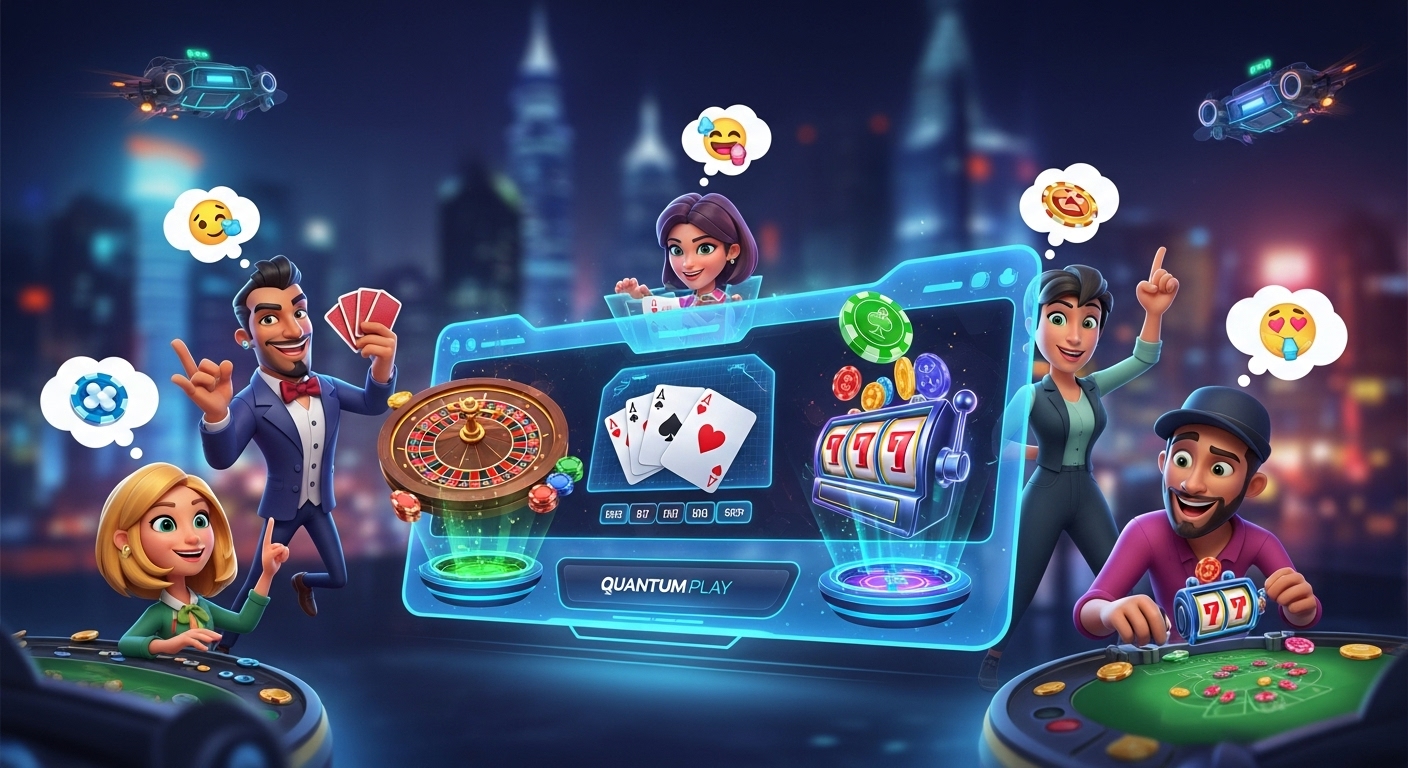
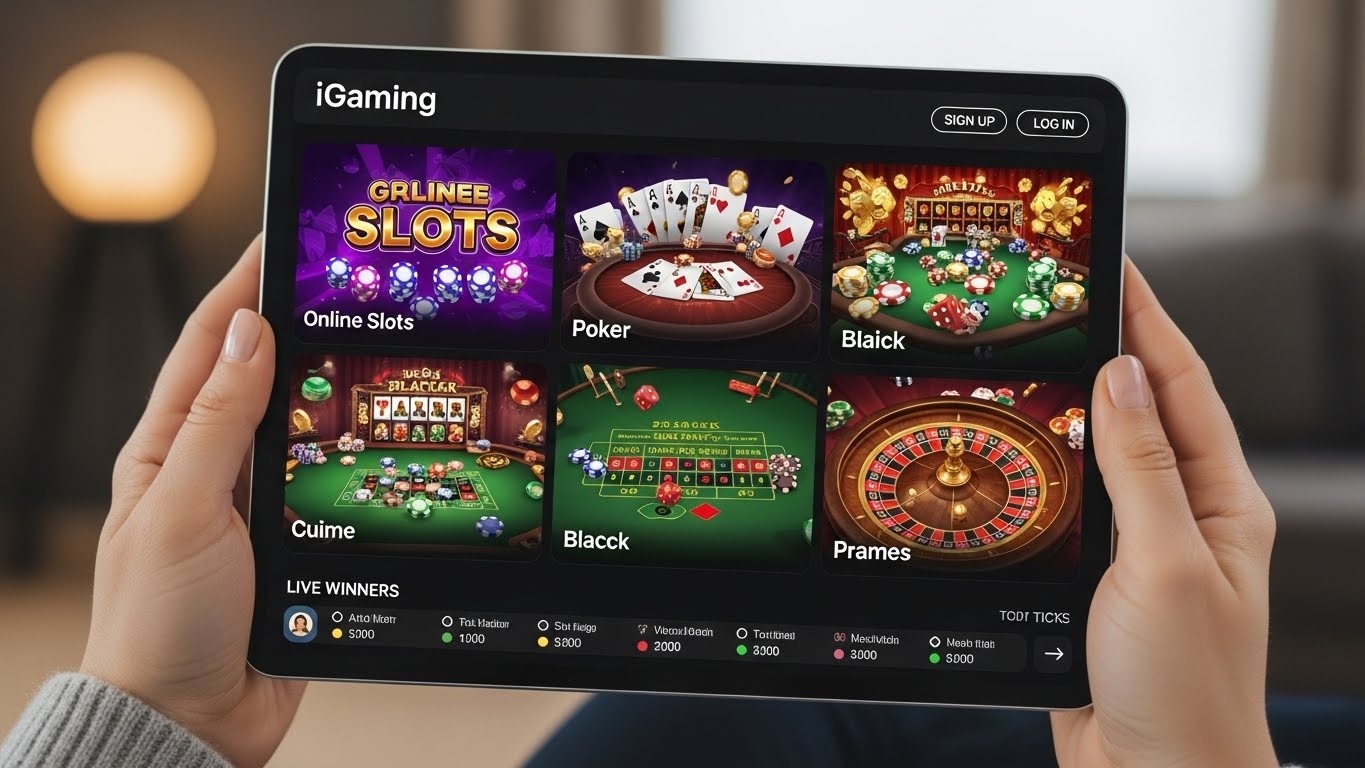
In recent years, the world of gaming and gambling has witnessed a rapid and transformative shift. What was once confined to physical casinos and traditional video games has evolved into a multi-billion-dollar digital industry. This transformation is driven by the rise of iGaming, a broad term that refers to any form of online gambling or gaming. Whether it’s online casinos, sports betting, or eSports, iGaming has become a global phenomenon, attracting millions of players from every corner of the world. In this blog post, we’ll explore the rise of iGaming, how it’s reshaping the entertainment landscape, and what the future holds for this exciting industry.
What is iGaming?
At its core, iGaming refers to any type of gambling that takes place online. This can include everything from virtual casino games like slots and poker to betting on sports events and competitive eSports. Unlike traditional land-based gambling, iGaming allows players to engage in their favorite activities from the comfort of their homes, or on the go via mobile devices.
The world of iGaming is incredibly diverse. It encompasses online casinos, live dealer games, poker rooms, sports betting sites, fantasy sports platforms, and virtual games. Players no longer have to travel to a physical location to place a bet or try their luck; all they need is an internet connection. Over the past decade, the growth of the iGaming industry has been nothing short of explosive, driven by technological advancements, changing regulations, and a shift in consumer behavior.
The Early Days of iGaming: From Land-Based to Online
The origins of iGaming can be traced back to the 1990s. The internet was still in its early stages of development, and online gambling was a relatively new concept. In 1994, Antigua and Barbuda passed the Free Trade & Processing Act, which allowed companies to apply for licenses to operate online gambling platforms. This marked the official beginning of iGaming as we know it today.
The first online casino, InterCasino, launched in 1996 and was an immediate success. It offered a limited selection of games but paved the way for other operators to enter the online gambling space. By the late 1990s and early 2000s, the number of online casinos and poker rooms grew exponentially, with major brands like PokerStars and 888Casino emerging as industry leaders.
While online gambling was still in its infancy, early adopters began to see the immense potential of the internet for reaching global audiences. The early days were largely unregulated, with few jurisdictions offering oversight or consumer protection. This led to a range of issues, including fraud and illegal gambling activities, which forced many countries to reconsider how they would handle iGaming moving forward.
The Modern Boom: Technological Advancements and Mobile Gaming
Fast forward to the 2010s, and iGaming had transformed into a highly sophisticated, multi-faceted industry. What truly fueled the boom was the rapid advancement in technology. The introduction of smartphones, high-speed internet, and advanced graphics allowed iGaming to become more immersive and accessible than ever before.
Mobile Gaming: Gaming on the Go
The biggest development in the past decade has been the rise of mobile gaming. The introduction of smartphones and tablet devices revolutionized the way people played games, allowing them to do so anytime and anywhere. Today, online casinos and sports betting sites have optimized their platforms for mobile devices, enabling players to enjoy a full range of iGaming activities on the go.
Mobile gaming has become especially popular with younger demographics, who are more likely to engage with games on their phones than on desktop computers. With intuitive interfaces, touch-screen controls, and instant access to games, mobile iGaming offers unparalleled convenience. The global accessibility of mobile internet has also opened up iGaming to new markets, particularly in emerging economies where smartphones are more widespread than traditional computers.
Live Dealer Games and Virtual Reality
Another game-changing innovation in the iGaming industry is the introduction of live dealer games. Live dealer casinos offer a more authentic, interactive experience by streaming real-life dealers directly into players’ homes. Games like blackjack, roulette, and baccarat are conducted in real time, with players able to interact with the dealers and other participants via live chat. This has helped bridge the gap between the online and land-based casino experience, attracting players who seek the social and immersive aspects of traditional casinos without leaving home.
Furthermore, the rise of virtual reality (VR) in iGaming is beginning to make waves. While still in its infancy, VR technology holds the potential to provide players with fully immersive casino experiences. By wearing a VR headset, players could enter a 3D casino environment, interact with dealers, and even socialize with other players as if they were in a real-world casino. This kind of innovation promises to take iGaming to an entirely new level, creating an even more engaging and lifelike experience.
The Global iGaming Market: Opportunities and Challenges
The iGaming market is vast, and its growth shows no signs of slowing down. According to various reports, the global iGaming industry is expected to surpass $100 billion in revenue within the next few years. This surge in growth can be attributed to several factors:
Changing Regulations and Legalization
One of the key drivers of the iGaming boom is the ongoing trend of legalization and regulation. In many parts of the world, countries are beginning to recognize the economic potential of iGaming and are implementing regulations that allow online gambling to thrive. This has led to the creation of safer, more transparent platforms that protect consumers and ensure fair play.
The legalization of online sports betting in the United States in 2018, following the repeal of the Professional and Amateur Sports Protection Act (PASPA), was a significant milestone. It opened the door for states to regulate and tax sports betting, generating substantial revenue. Other countries, such as the United Kingdom and several European nations, have long-established regulatory frameworks for online gambling, further supporting the growth of the industry.
As more jurisdictions legalize iGaming, the market will continue to expand. However, it also creates challenges, particularly in terms of ensuring responsible gambling, preventing fraud, and tackling issues like money laundering and underage gambling. Striking the right balance between growth and regulation will be crucial for the sustainability of the iGaming industry.
The Rise of eSports Betting
An increasingly important aspect of iGaming is the intersection between traditional gambling and eSports. eSports, or competitive video gaming, has exploded in popularity over the past decade, with millions of players and viewers worldwide. Titles like League of Legends, Dota 2, Counter-Strike: Global Offensive, and Fortnite have become global phenomena, with professional tournaments attracting massive audiences and offering huge prize pools.
As eSports has gained mainstream popularity, betting on eSports tournaments has become a major component of iGaming. Platforms now offer odds on eSports events, allowing fans to bet on their favorite teams or players in real time. This has opened up new revenue streams for operators and created a unique form of entertainment that combines gaming with traditional betting.
The Future of iGaming: Trends to Watch
As iGaming continues to evolve, there are several key trends to keep an eye on in the coming years.
Integration of Blockchain Technology
One of the most exciting developments in iGaming is the potential integration of blockchain technology. Blockchain has the ability to increase transparency, reduce fraud, and streamline payments in the online gambling industry. By using decentralized ledger systems, operators can offer provably fair games and ensure that all transactions are secure and transparent. Cryptocurrencies like Bitcoin are already being used in many online casinos and sportsbooks, and blockchain technology has the potential to revolutionize how iGaming operates in the future.
Social Gaming and Gamification
The concept of gamification is becoming increasingly popular in the iGaming space. Many online casinos and betting platforms are incorporating elements of social gaming into their offerings. This includes the ability to share achievements, challenge friends, or even compete in tournaments with other players. Social gaming elements help make the iGaming experience more interactive and engaging, enhancing the overall user experience.
Gamification also extends to loyalty programs, where players can earn points, bonuses, or rewards for frequent play. These programs are designed to increase player retention and satisfaction, creating a sense of accomplishment and rewarding loyal customers.
Responsible Gaming and Mental Health Awareness
As iGaming grows, so too does the responsibility of operators to ensure that players gamble responsibly. The rise of online gambling addiction and its potential social impact has led to increased focus on responsible gaming initiatives. Many platforms are now incorporating features that allow players to set limits on their spending, time spent gaming, and self-exclude if needed. There is also a growing emphasis on raising awareness about problem gambling and offering resources for those who need help.
Operators will increasingly be expected to put player welfare at the forefront of their operations. Responsible gambling policies will continue to evolve, and platforms that prioritize mental health and well-being will be better positioned for long-term success.
Conclusion: iGaming’s Bright Future
The rise of iGaming has undoubtedly changed the entertainment and gambling landscape, offering players a range of options that were once impossible to imagine. From its humble beginnings to its current state as a global industry, iGaming has become an integral part of the digital entertainment ecosystem. As technology continues to evolve, the iGaming industry is set to become even more immersive, accessible, and engaging.
With its rapid growth, iGaming presents both opportunities and challenges. The industry must balance the desire for expansion with the need for regulation and responsibility. As the future unfolds, we can expect iGaming to continue innovating, introducing new technologies, and pushing the boundaries of what’s possible in the world of online entertainment.